








What's Happening?
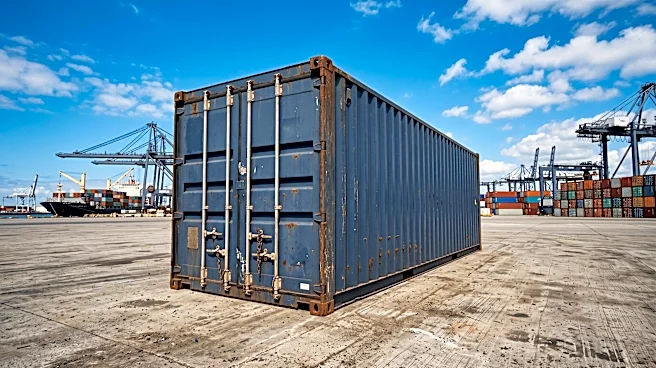
The U.S. Federal Maritime Commission (FMC) has announced its intention to host a research symposium focused on detention and demurrage charges. This event aims to deepen the understanding of how these charges, applied for container usage and storage,
can be best utilized to encourage efficient cargo flow within the international ocean transportation system. The FMC, an independent federal agency established in 1961 and headquartered in Washington, D.C., is responsible for regulating the U.S. international ocean transportation system. Its mission is to ensure a competitive and reliable supply chain for U.S. exporters, importers, and consumers. The symposium will bring together stakeholders to discuss the complexities and impacts of these charges on the maritime industry and the broader supply chain.
Why It's Important?
Detention and demurrage charges are a significant point of contention within the U.S. supply chain, often leading to increased costs for importers and exporters. These charges, levied by ocean carriers and terminals, are intended to incentivize the prompt pickup and return of containers. However, stakeholders frequently argue that these fees are sometimes imposed due to factors beyond their control, such as port congestion or chassis shortages. A clearer understanding of how these charges function and their effectiveness in promoting cargo flow is crucial for improving the efficiency and reducing the costs associated with international trade. The symposium could lead to policy recommendations or best practices that benefit U.S. businesses and consumers by streamlining logistics and mitigating unnecessary expenses.
What's Next?
The upcoming research symposium by the FMC is expected to gather insights from various industry participants, including carriers, shippers, and terminal operators. The discussions and findings from this event could inform future regulatory actions or guidance from the FMC regarding detention and demurrage practices. Potential outcomes include the development of more transparent billing practices, standardized rules for charge application, or mechanisms to dispute unfair charges. Such developments would aim to create a more equitable and efficient system for all parties involved in the U.S. international ocean transportation network, ultimately supporting the flow of goods and reducing supply chain disruptions.
Beyond the Headlines
The FMC's focus on detention and demurrage charges highlights a broader challenge within global supply chains: the balance between incentivizing efficiency and imposing punitive costs. The symposium could delve into the economic models behind these charges, exploring whether they truly serve their intended purpose or if they have become a revenue stream for carriers and terminals. Beyond the immediate financial implications, the discussion may touch upon the environmental impact of delayed cargo movement and the competitive landscape of the U.S. maritime industry. Addressing these issues could foster greater collaboration among supply chain partners and potentially lead to innovative solutions for managing container logistics more effectively.