





What's Happening?
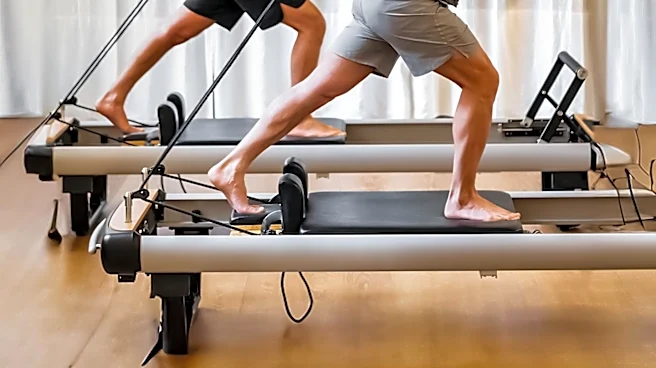
The Pilates reformer is highlighted as a crucial piece of equipment in the practice of Pilates, designed to both assist and intensify workouts through adjustable spring resistance. According to instructor Melani Giommetti, the reformer is not merely a passive
tool but actively enhances the exercise experience. Joseph Pilates, the method's creator, emphasized a holistic approach to physical well-being, integrating mind and body through precise, conscious movements. He developed his technique during World War I, adapting hospital beds with springs and mechanisms to aid in the rehabilitation of injured individuals, which laid the groundwork for modern Pilates apparatus. The method, initially called 'Contrology,' gained popularity in New York in the 1920s among dancers, athletes, and artists, and has since evolved into a globally recognized fitness practice. Giommetti also debunks common myths, stating that Pilates on a reformer is not less strenuous and is not exclusively for women, with increasing male participation.
Why It's Important?
The emphasis on the Pilates reformer underscores a significant trend in fitness towards specialized equipment that offers both support and challenge, making advanced workouts accessible to a broader demographic. This approach, rooted in Joseph Pilates' original vision, promotes a comprehensive understanding of the body, moving beyond isolated muscle groups to focus on integrated myofascial chains. The debunking of myths surrounding Pilates, particularly its perceived ease and gender exclusivity, is crucial for expanding its appeal and encouraging more individuals to explore its benefits. As fitness trends continue to evolve, the reformer's ability to provide adjustable resistance and facilitate controlled movements positions Pilates as a versatile and effective method for strength, flexibility, and postural alignment, catering to diverse fitness levels and goals. This contributes to a more inclusive and informed fitness landscape.
What's Next?
The continued promotion and innovation within Pilates, particularly with equipment like the reformer, suggest a future where personalized and adaptable fitness solutions become even more prevalent. As awareness grows regarding the holistic benefits of Pilates, including its role in rehabilitation and overall physical conditioning, more individuals are likely to seek out reformer-based classes and home equipment. The increasing participation of men in Pilates indicates a shift in perception, potentially leading to more diverse class offerings and marketing strategies. Further research into the biomechanical advantages of reformer use and its impact on various populations could also drive its adoption in clinical and athletic settings. The ongoing evolution of Pilates, maintaining its core principles while adapting to modern needs, ensures its relevance in the ever-changing fitness industry.
Beyond the Headlines
Beyond its immediate physical benefits, the philosophy behind Pilates, as articulated by Joseph Pilates, highlights a deeper connection between physical exercise and overall well-being, encompassing diet and sleep habits. This holistic perspective challenges the conventional view of exercise as a standalone activity, advocating for an integrated lifestyle approach to health. The reformer, in this context, is more than just a machine; it's a tool that facilitates mindful movement and body awareness, fostering a deeper understanding of one's physical capabilities and limitations. This emphasis on 'Contrology' encourages individuals to engage with their bodies consciously, promoting not just strength and flexibility but also mental focus and discipline. The historical development of the reformer from hospital bed adaptations also speaks to the innovative spirit in rehabilitation and fitness, demonstrating how practical needs can inspire enduring methodologies.