








What's Happening?
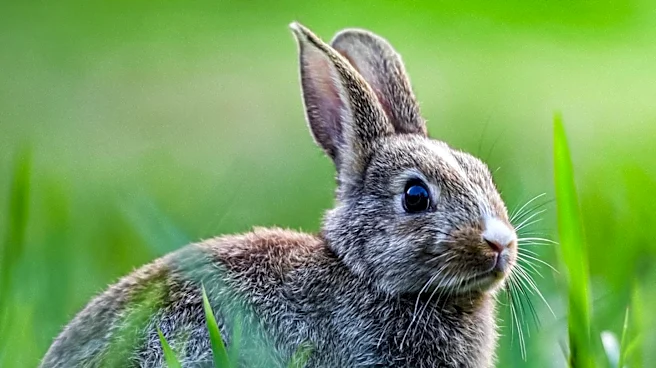
With an unusually warm fall extending wildlife activity, homeowners are encountering rabbit nests in their lawns later in the year than typical. Garden rabbits often build shallow, bowl-shaped nests on the surface of the grass, concealed with dried grass, leaves,
and plucked fur, making them appear as ordinary patches of dead grass. Before performing lawn maintenance like mowing or raking, it is crucial to identify and confirm if a nest is abandoned to avoid disturbing any remaining young. Signs of an abandoned nest include a caved-in grass cover, coldness to the touch, material blowing apart in the wind, and no signs of movement. A definitive method to check for abandonment involves placing two small twigs in an 'X' over the nest overnight; if undisturbed, the nest is likely empty.
Why It's Important?
This guidance is important for homeowners to safely manage wildlife in their residential areas, particularly during seasonal transitions. Disturbing active rabbit nests can harm young kits, leading to ethical concerns and potential legal implications under wildlife protection laws. By providing clear instructions on how to identify and safely remove abandoned nests, it helps prevent accidental harm to animals while allowing homeowners to maintain their lawns. Furthermore, clearing abandoned nests prevents pests from inhabiting the leftover bedding, contributing to overall yard hygiene and reducing potential infestations. This information promotes responsible coexistence between suburban residents and local wildlife, fostering a more harmonious environment.
What's Next?
As temperatures continue to drop, any remaining late-season litters of rabbits should have already vacated their nests. Homeowners are encouraged to remain vigilant during late-fall garden tidy-ups. Following the confirmation of an empty nest, the next step involves carefully removing the bedding using garden gloves, and if concerned about fleas or mites, scooping out the top layer of underlying soil. The material should be sealed in a bag and disposed of in garden waste. Finally, the disturbed area of the lawn should be leveled with a mix of topsoil and sand, pressed firmly, and then seeded to allow the grass to fill in before winter. This ensures the lawn is restored and ready for the colder months.
Beyond the Headlines
The presence of late-season rabbit nests highlights broader ecological shifts potentially influenced by climate change, such as extended mild weather patterns affecting breeding cycles of local wildlife. This situation underscores the increasing interaction between human habitats and natural ecosystems, prompting a need for greater public awareness and education on wildlife coexistence. The advice provided not only addresses an immediate practical concern for homeowners but also subtly encourages a more mindful approach to landscaping and outdoor activities, recognizing the impact on local fauna. It reflects a growing trend in suburban areas where residents are becoming more attuned to environmental stewardship and the welfare of animals sharing their spaces, moving beyond purely aesthetic lawn care to include ecological considerations.