







What's Happening?
The phenomenon of 'chipflation,' characterized by the rising prices of AI-related logic and memory chips, is emerging as a significant challenge for the AI market. Julia Hermann, a global market strategist at New York Life Investment Management, highlights
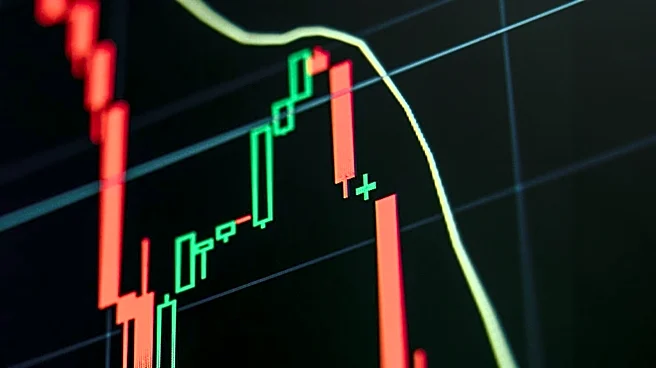
that the increasing costs of these chips, along with rising energy and utility expenses, are testing the resilience of the AI trade. Despite the cooling of general inflation in June, the AI sector faces unique pressures as investors begin to scrutinize the economic viability of the AI boom. Recent trends show a decline in chip stocks, with investors pulling back from memory makers and hardware companies, even as earnings reports have generally exceeded expectations. Hermann points to the South Korean export price index of DRAM memory as a key indicator, noting a dramatic 370% year-over-year growth in memory chip prices, far surpassing previous cycles.
Why It's Important?
The rising costs of AI chips have significant implications for the technology sector and broader economic landscape. As companies invest heavily in AI infrastructure, the increased chip prices could slow down the momentum of AI advancements. This situation presents a double-edged sword: while high demand for chips indicates robust interest in AI, the associated costs could deter further investment and development. The volatility in semiconductor leadership, which has largely been positive this year, could shift, testing investor confidence. The focus on quality within the AI supply chain, particularly among semiconductor giants, becomes crucial. Companies with strong profitability, low earnings variability, and solid interest coverage are likely to navigate these challenges more effectively.
What's Next?
The AI market is expected to face continued scrutiny as investors assess the long-term potential against the backdrop of rising costs. Companies may need to balance their investment strategies, focusing on quality and sustainable growth. The ongoing evaluation of chip prices and their impact on the AI trade will likely influence future investment decisions. Stakeholders, including technology firms and investors, will need to adapt to these economic pressures, potentially leading to shifts in market dynamics and investment priorities.