



What's Happening?
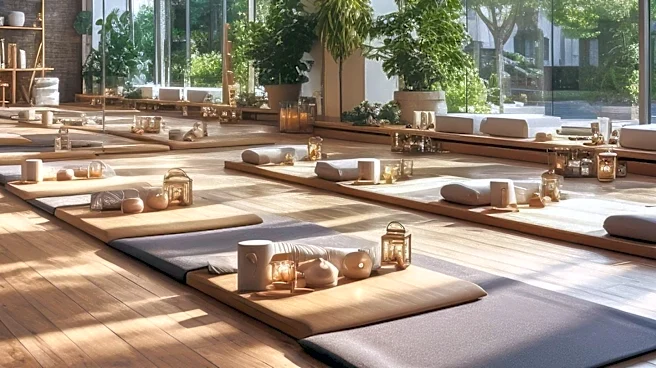
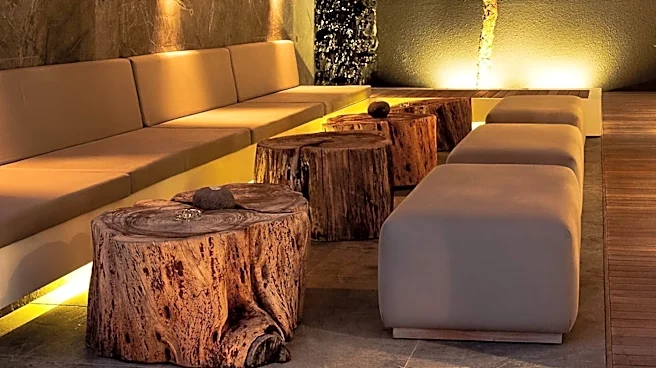
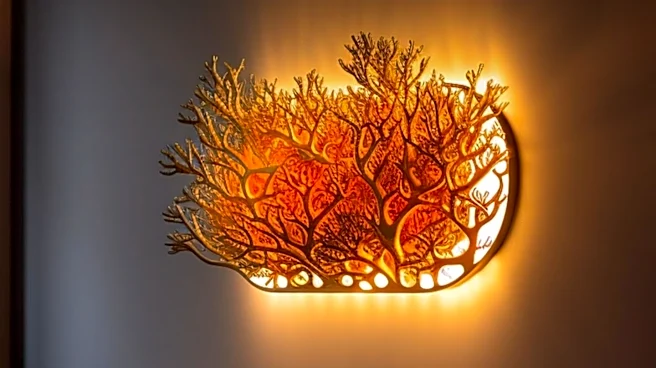
Hotels are increasingly focusing on ambient lighting, also known as mood lighting, as a critical element in defining the guest experience. This soft, base layer of light is designed to set the emotional tone of a space, making it feel inhabited and comfortable
rather than merely lit. Unlike task lighting, which serves functional purposes like reading, ambient light envelops a room, encouraging guests to relax and potentially extend their stays. Hospitality buyers view this as a commercial imperative, recognizing that comfortable guests are more likely to return and share their positive experiences. The industry typically employs a three-layered lighting model: ambient for mood, task for specific activities, and accent for highlighting features. Many properties previously overlooked the ambient layer, resulting in uneven lighting with bright spots and shadowed corners. A proper ambient base ensures a consistent, soft glow, allowing other lighting layers to function optimally. Cordless ambient lights are gaining traction due to their flexibility, avoiding costly and disruptive rewiring, especially in heritage or retrofit buildings, and allowing for easy repositioning for events or seasonal changes.
Why It's Important?
The strategic implementation of ambient lighting in hotels holds significant importance for the U.S. hospitality industry. By prioritizing guest comfort and emotional well-being through lighting design, hotels can directly influence customer satisfaction and loyalty. This approach moves beyond mere aesthetics, transforming lighting into a tangible asset that contributes to longer guest stays, increased positive social media engagement, and repeat business. The adoption of cordless lighting solutions also presents a notable economic advantage, particularly for older or historically significant properties. It reduces renovation costs and minimizes operational disruptions associated with electrical work, making upgrades more accessible and efficient. Furthermore, the emphasis on a layered lighting model signifies a shift towards more sophisticated and guest-centric design principles, potentially setting new industry standards. This focus on creating a 'feeling' rather than just 'lighting a surface' can differentiate hotels in a competitive market, attracting a clientele that values nuanced and thoughtful design.
What's Next?
The trend of prioritizing ambient lighting is expected to continue and evolve within the U.S. hospitality sector. Hotels will likely invest further in advanced lighting technologies, including smart systems that allow for dynamic adjustments to color temperature and intensity based on time of day, occupancy, or specific events. The demand for cordless and energy-efficient ambient lighting solutions will also grow, driven by both design flexibility and sustainability goals. Manufacturers like Hangke, which develop design-led cordless lighting families, are poised to see increased partnerships with hospitality brands for ODM (Original Design Manufacturer) solutions. This will lead to more customized and branded lighting experiences. Additionally, as guests become more accustomed to sophisticated lighting in hotels, they may seek to replicate these experiences in their own homes, potentially boosting the retail market for similar ambient lighting products. The industry will also likely see more research into the psychological impacts of lighting on guest behavior and well-being, further refining design strategies.
Beyond the Headlines
The emphasis on ambient lighting in hotels reflects a broader societal shift towards valuing experiential design and emotional well-being in commercial spaces. Beyond the immediate commercial benefits, this trend highlights the subtle yet profound influence of environmental factors on human psychology. The careful curation of light can reduce stress, enhance relaxation, and even influence perceptions of luxury and comfort. This extends beyond hotels to other commercial and residential environments, suggesting a growing awareness of how our surroundings shape our moods and behaviors. The rise of cordless lighting also points to a larger movement towards flexible, adaptable, and less invasive design solutions, particularly relevant in an era where historical preservation and rapid technological advancements often intersect. Ethically, this focus on creating specific 'moods' through lighting raises questions about the extent to which environments can subtly guide or influence human experience, moving beyond mere functionality to a more curated emotional landscape.