




What's Happening?
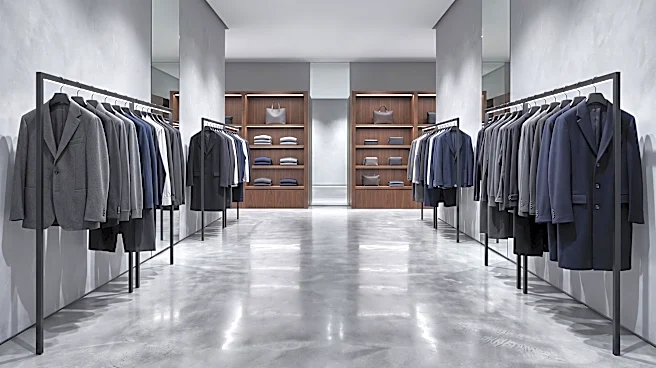
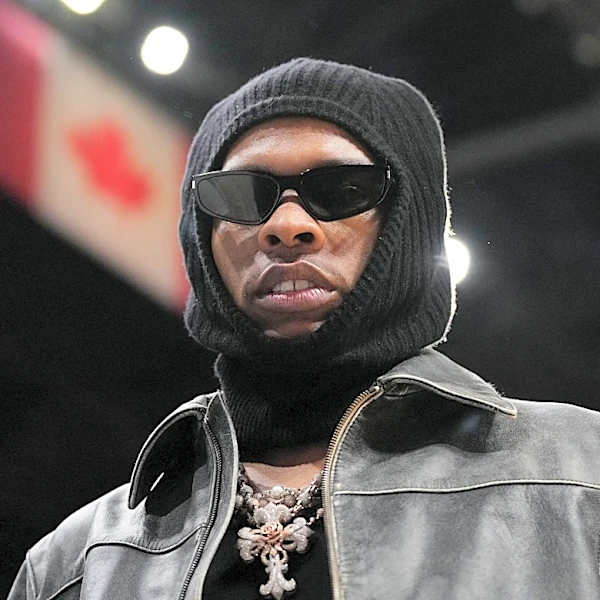
A fashion enthusiast, Emmanuel Acheampong, has shared his experiences with racial profiling in luxury retail stores. Acheampong, who identifies as Black and African, recounted numerous instances of being followed, watched, and treated as if he did not
belong while shopping in vintage stores, department stores, and luxury boutiques. Initially, he normalized these experiences, believing them to be an unavoidable part of shopping. However, after discussing these incidents with his therapist, he realized the negative impact they had on him, extending to his productivity. In response, Acheampong adopted a new strategy: documenting each instance of perceived racial profiling, including details of what happened, who was involved, and the timing. He then contacts the corporate offices of the respective stores to report his experiences. This approach has led to tangible changes, with three stores he frequented altering their handling of such situations as a direct result of his complaints.
Why It's Important?
This account sheds light on the persistent issue of racial profiling within the retail sector, particularly in luxury environments, which can have significant psychological and emotional impacts on individuals. Acheampong's experience underscores how systemic biases can lead to discriminatory treatment, even for genuine customers. His proactive approach of documenting and reporting incidents provides a powerful model for individuals facing similar discrimination, demonstrating that direct action can lead to corporate accountability and change. The fact that his complaints resulted in policy changes in multiple stores highlights the potential for consumer advocacy to influence corporate behavior and promote more equitable treatment for all shoppers. This narrative contributes to a broader conversation about diversity, inclusion, and fair treatment in commercial spaces.
What's Next?
Acheampong's success in prompting changes in store policies may encourage other individuals who experience racial profiling to adopt similar documentation and reporting strategies. This could lead to increased pressure on retail companies to review and reform their customer service training, anti-discrimination policies, and internal complaint resolution processes. Retailers, especially those in the luxury sector, might face growing scrutiny regarding their practices and could be compelled to implement more robust diversity and inclusion initiatives. The ongoing dialogue sparked by such personal accounts could also lead to greater public awareness and advocacy for legislative or industry-wide standards aimed at preventing racial discrimination in retail settings, fostering a more inclusive shopping environment for all consumers.
Beyond the Headlines
The normalization of racial profiling, as initially experienced by Acheampong, points to a deeper societal issue where individuals from marginalized groups often internalize discriminatory treatment. This can have long-term effects on self-esteem, mental health, and overall well-being. His journey from acceptance to active resistance highlights the importance of recognizing and addressing systemic injustices rather than passively enduring them. Furthermore, the power dynamics at play in luxury retail, where perceived status can influence treatment, reveal how socioeconomic factors intersect with racial bias. This situation also raises ethical questions for corporations about their responsibility to create truly inclusive environments and actively combat unconscious biases among their staff, moving beyond performative gestures to implement meaningful, lasting change in their operational practices and corporate culture.