



What's Happening?
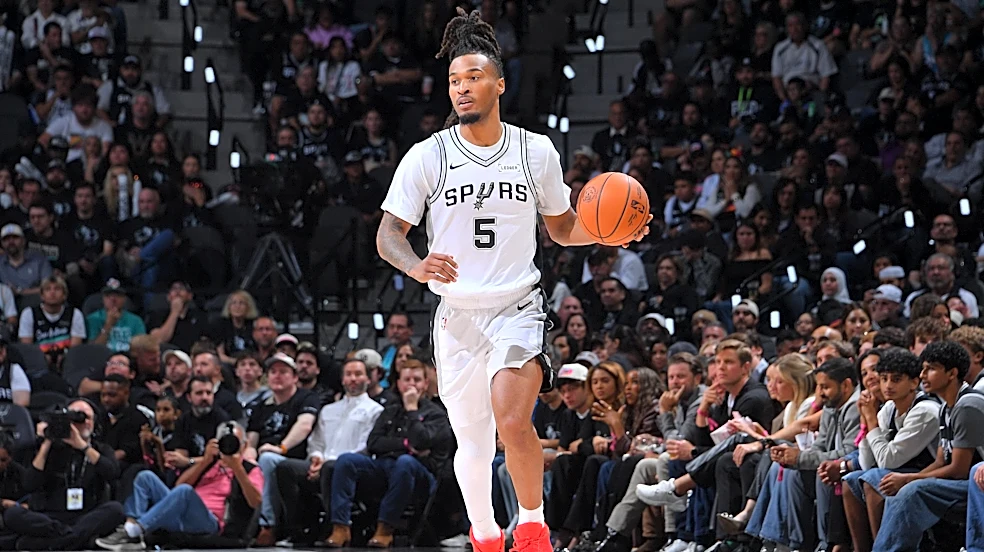
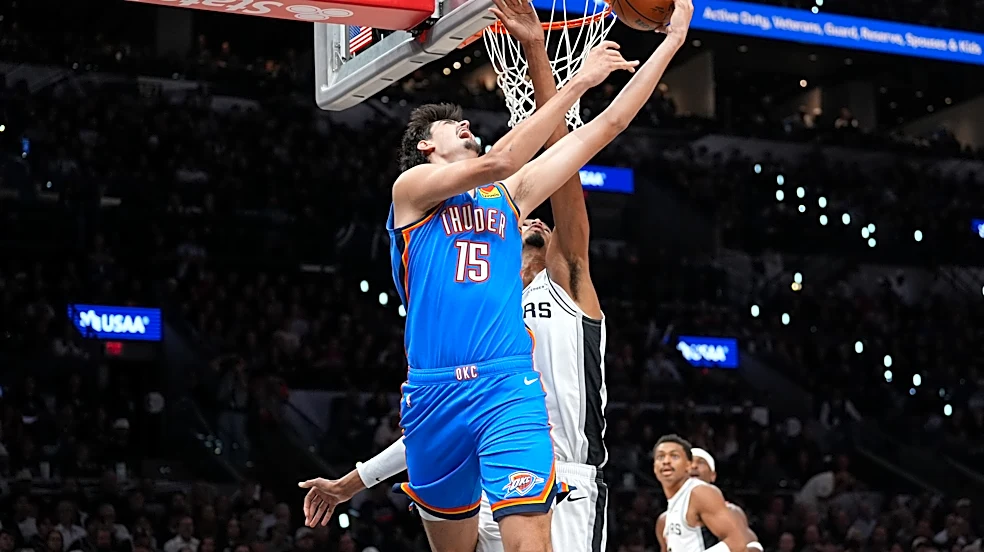
Sports analyst Jason Whitlock recently posted on social media platform X, questioning the authenticity of crowd noise at a San Antonio Spurs game against the Oklahoma City Thunder. Whitlock implied that the noise was 'fake' due to what he perceived as 'empty
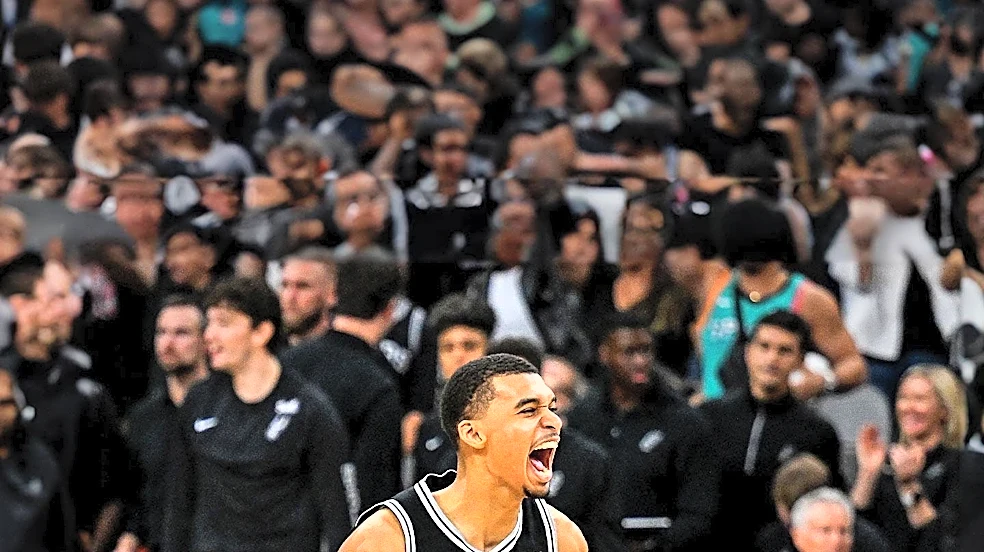
seats' in the arena. However, official data from ESPN indicates that the Frost Bank Center was sold out for the opening night game, with 19,160 fans in attendance, exceeding the arena's official capacity of just under 19,000. Whitlock's post was made around 10:16 PM CDT, approximately at the start of the third quarter, suggesting that any visible empty seats were likely due to fans returning from concourse areas after purchasing food and beverages. Despite this, the arena remained loud, especially as the Spurs initiated a strong 23-9 run in the second half.
Why It's Important?
This incident highlights the potential for misinformation and unsubstantiated claims to spread rapidly on social media, particularly from public figures like sports analysts. Whitlock's insinuation, despite being easily disproved by readily available attendance figures, could contribute to a narrative of distrust regarding sports event authenticity. For sports organizations, such claims can undermine fan experience and the perceived integrity of their events. It also underscores the responsibility of commentators to verify information before sharing it, as their statements can influence public perception and potentially lead to unnecessary controversy. The quick debunking of the claim by fans and data also demonstrates the power of collective fact-checking in the digital age.
What's Next?
While the immediate claim has been debunked, the broader implications for sports commentary and social media engagement remain. This event may prompt further discussion within sports media circles about the standards of reporting and commentary on live events. It could also lead to increased scrutiny of claims made by analysts on social platforms. For the San Antonio Spurs and other sports teams, it reinforces the importance of transparent communication regarding event details, such as attendance, to counter potential misinformation. The incident serves as a reminder for audiences to critically evaluate information shared on social media, even from established personalities.
Beyond the Headlines
The incident touches upon the evolving landscape of sports journalism, where traditional analysis often intersects with real-time social media commentary. The ease with which a prominent figure can make an unverified claim and the subsequent rapid response from the public and data sources illustrate the dynamic nature of information dissemination today. It also raises questions about the role of 'provocative' commentary in maintaining audience engagement versus upholding journalistic integrity. The 'empty seats' observation, while seemingly minor, reflects a broader trend where visual cues can be misinterpreted or selectively highlighted to support a particular narrative, regardless of factual accuracy. This underscores the need for media literacy among consumers of sports news.