




What's Happening?
Registered dietitian Michelle Dohrman with St. Joseph Health has provided practical meal prepping tips aimed at helping individuals save money while maintaining a nutritious diet. Dohrman emphasizes that effective meal preparation begins with a clear
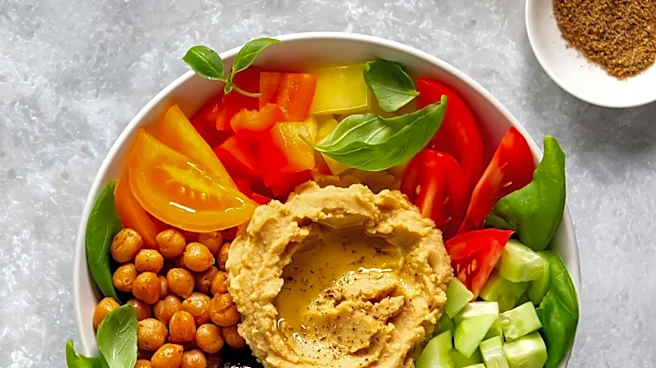
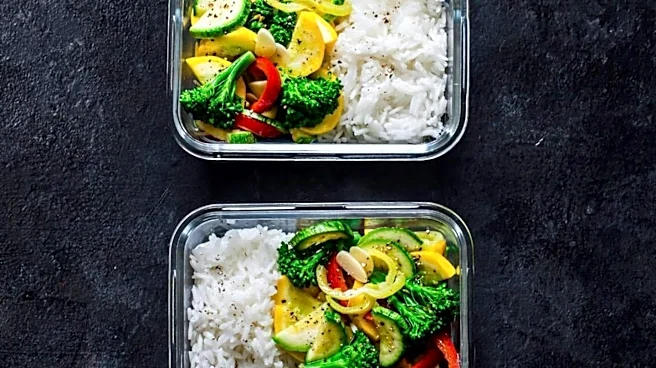
plan, suggesting that people start by outlining one or two days of menu ideas and gradually building a running list over time. This approach helps to avoid the need to constantly generate new meal concepts. Key recommendations include preparing components of meals in advance, such as cooking a batch of chicken on the weekend for use in various dishes throughout the week, or pre-chopping vegetables. She also advises utilizing quick and healthy options like instant brown rice and preparing sweet potatoes in advance. Dohrman highlights that pre-prepping can significantly reduce the temptation to opt for less healthy and more expensive drive-thru or restaurant meals after work, which tend to be higher in calories, sodium, sugar, and fat.
Why It's Important?
The insights from Michelle Dohrman are particularly relevant in the current economic climate, where many U.S. households are seeking ways to manage expenses without compromising health. By promoting meal preparation, Dohrman addresses both financial and public health concerns. The strategy of planning meals and preparing ingredients in advance can lead to substantial savings by reducing impulse purchases at grocery stores and minimizing reliance on costly restaurant or fast-food options. From a health perspective, meal prepping encourages the consumption of home-cooked meals, which typically offer better control over ingredients, portion sizes, and nutritional content compared to commercially prepared foods. This can contribute to improved dietary habits, potentially lowering the risk of diet-related health issues such as obesity, heart disease, and diabetes, thereby impacting public health outcomes positively across the U.S.
What's Next?
Individuals adopting these meal prep strategies can expect to see immediate benefits in their weekly food budgets and dietary quality. The ongoing practice of planning and preparing meals will likely lead to a more organized approach to grocery shopping, with a focus on creating lists based on planned menus, which Dohrman notes helps reduce impulse buying. Over time, as individuals build a repertoire of meal ideas, the process of meal prepping is expected to become more efficient and less time-consuming. The continued emphasis on home-cooked meals could also foster greater nutritional literacy among consumers, encouraging them to make more informed food choices. This trend could potentially influence demand for certain grocery items, favoring bulk purchases of staple ingredients and fresh produce, and possibly impacting the fast-food and restaurant industries as more people opt for home-prepared meals.
Beyond the Headlines
Beyond the immediate financial and health benefits, the widespread adoption of meal prepping could signify a broader cultural shift towards more mindful consumption and a greater emphasis on personal well-being in the U.S. This trend reflects a growing awareness of the connection between diet, health, and economic stability. Ethically, it promotes a more sustainable approach to food consumption by reducing food waste through planned purchasing and utilization of ingredients. Culturally, it challenges the convenience-driven food landscape by encouraging individuals to invest time in preparing their own food, potentially fostering a renewed appreciation for cooking and home-based culinary skills. This movement could also lead to innovations in kitchen appliances and food storage solutions designed to support meal prep, further embedding these practices into daily life.