

What's Happening?
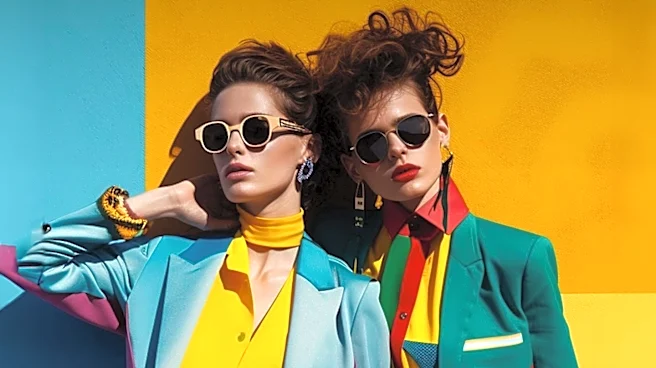
The 1980s fashion is making a significant comeback, particularly on Instagram, with users embracing expressive dressing. This trend moves away from previous years of minimalism, allowing for more noticeable clothing and accessories. Key elements of this
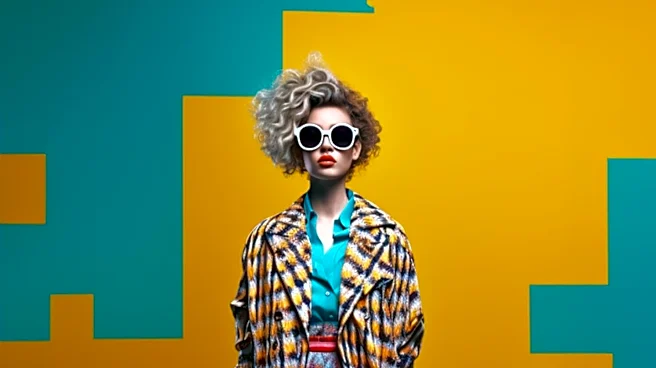
revival include sharply tailored blazers, striped blouses, statement necklaces, and high-top sneakers. The approach to this trend is not to replicate an entire 1980s look but to integrate specific details into modern wardrobes. Examples of this integration include pairing a tailored blazer with jeans or a striped blouse with contemporary trousers. Even subtle additions like a digital calculator watch or high-top sneakers are being used to add a retro touch. The appeal of this trend is partly due to its familiarity, as some 80s signatures like padded blazers and bold stripes have already been absorbed into contemporary fashion. Other aspects, such as big-hair glamour and Madonna-style layering, offer a more playful way to engage with the decade's aesthetic without fully committing to a vintage look.
Why It's Important?
This resurgence of 1980s fashion on social media platforms like Instagram highlights a broader shift in consumer preferences towards more expressive and maximalist styles. For the U.S. fashion industry, this trend signifies new opportunities for designers and retailers to introduce updated versions of classic 80s pieces, from apparel to accessories. Brands can capitalize on this nostalgia-driven demand by offering contemporary interpretations of power dressing, statement jewelry, and iconic bags. This trend also impacts manufacturing and marketing strategies, as companies may need to adjust production to meet demand for specific silhouettes, fabrics, and embellishments characteristic of the 80s. Consumers stand to gain from a wider variety of fashion choices that allow for personal expression and a playful approach to dressing. Conversely, brands that remain focused on minimalist aesthetics might find themselves out of sync with this evolving consumer interest. The trend also underscores the powerful influence of social media in shaping and accelerating fashion cycles, making it crucial for businesses to monitor platforms like Instagram for emerging styles.
What's Next?
The continued evolution of this 1980s fashion revival is expected to see further integration of its elements into mainstream fashion. Designers will likely continue to draw inspiration from the decade, offering new collections that blend retro aesthetics with modern sensibilities. We can anticipate more brands releasing updated versions of iconic 80s accessories, such as chain bags and high-top sneakers, to cater to this growing demand. Social media will remain a primary driver for the trend, with influencers and fashion enthusiasts showcasing creative ways to incorporate 80s details into their daily wear. Retailers may also curate specific collections or sections dedicated to '80s-inspired' fashion to attract consumers looking to participate in this trend. The trend's longevity will depend on its adaptability and how successfully it can be reinterpreted to avoid becoming a fleeting costume-like fad, suggesting a continuous cycle of subtle integration rather than a full-scale return to 1980s attire.
Beyond the Headlines
Beyond the immediate fashion implications, the 1980s revival on Instagram reflects a deeper cultural phenomenon of nostalgia and cyclical trends. This trend suggests a collective yearning for the perceived boldness and distinctiveness of past eras, possibly as a counter-reaction to the uniformity often associated with fast fashion or the understated nature of minimalism. Ethically, this trend encourages a more sustainable approach to fashion by promoting the integration of classic pieces into existing wardrobes rather than constant replacement. It also highlights the psychological aspect of dressing, where clothing serves as a form of self-expression and a connection to cultural history. The 'more-is-more' sensibility of the 80s, as seen in dramatic ruffles and oversized accessories, could also be interpreted as a desire for escapism and joy in dressing, especially in a complex world. This cultural embrace of the past, filtered through modern platforms, underscores how historical styles are continuously recontextualized and given new meaning by contemporary society.