







What's Happening?
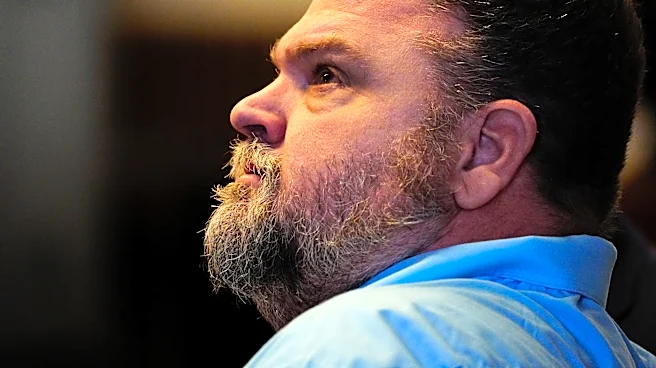
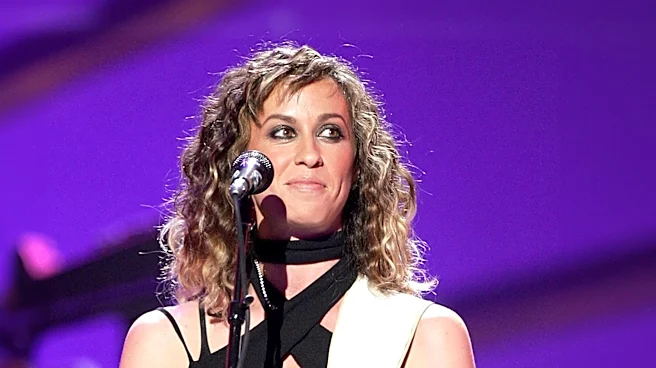
Singer Alanis Morissette recently shared on the 'Call Her Daddy' podcast that her 'woman's intuition' was instrumental in uncovering a multi-million dollar theft by her former business manager, Jonathan Todd Schwartz. Schwartz was sentenced to six years
in federal prison in 2017 after pleading guilty to wire fraud and tax crimes, involving $7.2 million stolen from clients, with $4.8 million taken from Morissette. Morissette recounted how she became suspicious after reviewing her accounts with her husband, Mario 'Souleye' Treadway, and repeatedly sought answers from a new business manager despite initial resistance. Her persistence in questioning inconsistencies in her finances ultimately led to the exposure of Schwartz's fraudulent activities. She also expressed relief that her case was overseen by a female judge, United States District Judge Dolly M. Gee, fearing potential biases against women and wealth.
Why It's Important?
This case highlights the critical importance of financial vigilance, even for high-profile individuals who typically delegate such responsibilities. Morissette's experience underscores that trust, while essential in professional relationships, should always be balanced with independent oversight and scrutiny of financial dealings. The theft of millions from a celebrity client by a trusted manager serves as a stark reminder for individuals across all income brackets to actively engage with and understand their financial statements. It also brings to light the potential vulnerabilities within the entertainment industry, where large sums of money are managed, and the need for robust checks and balances to prevent fraud. The singer's mention of potential biases against women and wealth in legal proceedings also points to broader societal challenges that can complicate justice for victims.
What's Next?
While Jonathan Todd Schwartz has already served his sentence and publicly apologized for his actions, the long-term implications for financial management practices in the entertainment industry may continue to evolve. The increased public awareness generated by Morissette's account could lead to more stringent financial oversight requirements for celebrity managers and advisors. Artists and public figures might become more proactive in reviewing their financial records and seeking independent audits. Furthermore, the discussion around potential biases in the legal system could encourage ongoing efforts to ensure equitable treatment for all victims, regardless of their public status or financial standing. The case may also serve as a cautionary tale, prompting other individuals to act on their instincts when financial irregularities are suspected.
Beyond the Headlines
Morissette's story delves into the psychological and emotional toll of financial betrayal, emphasizing the power of intuition and perseverance in the face of skepticism. Her decision to speak out on a popular podcast like 'Call Her Daddy' not only raises awareness about financial fraud but also contributes to a broader conversation about trust, vulnerability, and empowerment. The narrative challenges the perception that wealth automatically confers protection from such crimes, revealing that even those with significant resources can be victims. Moreover, her reflection on the gendered and class-based biases she anticipated in the legal system highlights deeper societal issues concerning how victims, particularly wealthy women, are perceived and treated when seeking justice. This personal account transcends a mere financial crime, touching upon themes of personal agency and the courage required to confront difficult truths.