






What's Happening?
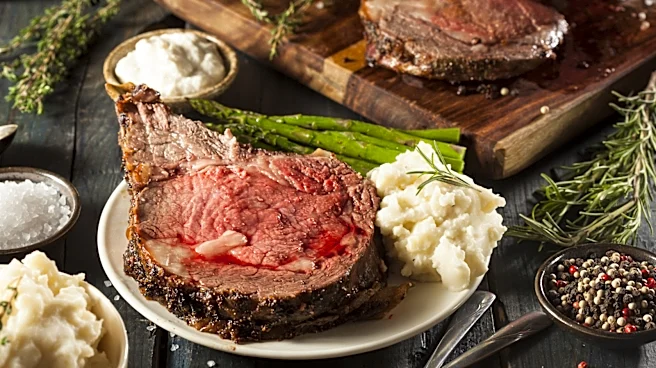
The U.S. hospitality industry is observing a rise in all-you-can-eat restaurants and drink specials, a trend identified as a potential indicator of broader economic pressures, including robust inflation and shifting consumer sentiment. According to VinePair,
bars and restaurants are increasingly leaning into these radical deals and specials to attract and retain customers. This strategy aims to entice wary consumers by offering perceived value, prompting a discussion within the industry about whether 'value' must always equate to 'cheap as hell.' The move reflects a proactive approach by businesses to adapt to changing economic conditions and consumer spending habits, which have been influenced by various recession indicators.
Why It's Important?
This shift in the hospitality industry is important as it highlights how businesses are directly responding to economic uncertainties and consumer behavior. The increased prevalence of deals and specials suggests that consumers are becoming more price-sensitive, potentially due to inflation impacting their disposable income. For the industry, this could lead to a competitive environment where establishments vie for customers through aggressive pricing and promotions, potentially affecting profit margins. It also indicates a broader economic trend where sectors are adjusting their strategies to maintain demand amidst concerns about a potential recession, impacting employment, supply chains, and overall market stability within the service sector.
What's Next?
The hospitality industry is likely to continue experimenting with various deals and specials to find the most effective strategies for attracting consumers. This could involve more creative promotions beyond traditional happy hours and all-you-can-eat offers. Businesses will need to carefully balance offering value with maintaining profitability, potentially leading to innovations in menu design, portion control, and operational efficiency. Consumers can anticipate a more competitive landscape for dining and drinking options, with a greater emphasis on affordability and perceived value. The success of these strategies will also provide insights into the resilience of consumer spending and the overall economic outlook.
Beyond the Headlines
Beyond the immediate economic implications, the rise of deals and specials in the hospitality sector could signify a cultural shift in how Americans perceive and engage with dining out. It might foster a greater expectation for value-driven experiences, potentially altering long-term consumer habits even after economic conditions improve. This trend could also challenge the traditional business models of restaurants and bars, pushing them towards more flexible and adaptive pricing strategies. Furthermore, it raises questions about the sustainability of such aggressive pricing in the long run and its potential impact on the quality of offerings and the livelihoods of industry workers.