

What's Happening?
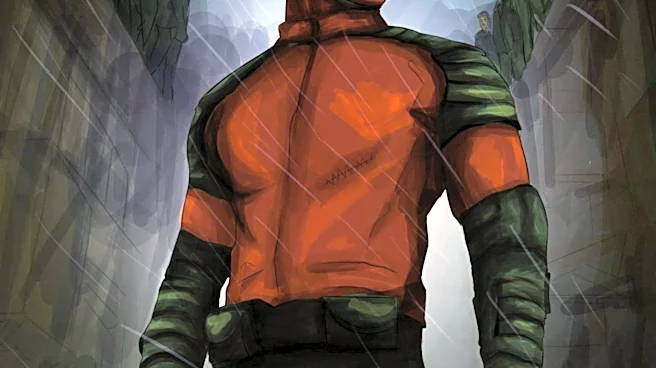
Dark Horse Comics has released a preview of 'Beast Of Boriken #2', a comic book written by Julio Anta with artwork by Daniel Irizarri. The comic is part of the True Weird series and continues the story of Loli and her friend Blanca as they explore the legend
of el Chupacabra in Puerto Rico. The narrative delves into the historical connections of the creature with the island, offering readers a mix of folklore and mystery. The issue also features a short story back-up, adding depth to the series. The comic is set to be published on August 12, 2026, and includes covers by Daniel Irizarri and Geraldo Borges.
Why It's Important?
The release of 'Beast Of Boriken #2' is significant as it brings attention to Puerto Rican folklore, particularly the legend of el Chupacabra, which is a part of the island's cultural heritage. By incorporating local myths into mainstream media, the comic not only entertains but also educates readers about the rich history and traditions of Puerto Rico. This can foster a greater appreciation and understanding of diverse cultural narratives within the comic book industry. Additionally, the involvement of creators like Julio Anta and Daniel Irizarri highlights the growing representation of diverse voices in the comic book world, which can lead to more inclusive storytelling.
What's Next?
As 'Beast Of Boriken #2' hits the shelves, it is likely to attract both comic book enthusiasts and those interested in folklore. The continuation of the True Weird series may lead to further exploration of other cultural myths and legends, potentially expanding the series' scope. The success of this issue could encourage Dark Horse Comics to invest in more projects that highlight underrepresented cultures and stories. Fans of the series can look forward to future installments that may delve deeper into the mysteries and histories of other legendary creatures.
Beyond the Headlines
The integration of folklore into modern storytelling, as seen in 'Beast Of Boriken #2', raises interesting questions about the preservation and adaptation of cultural narratives. As these stories are retold in new formats, they can reach wider audiences, potentially altering their traditional interpretations. This dynamic can lead to discussions about cultural appropriation versus appreciation, especially in how these stories are presented and who gets to tell them. The comic's approach to blending folklore with contemporary issues may also inspire other creators to explore similar themes, contributing to a broader dialogue about cultural identity and heritage in popular media.