


What's Happening?
Kevin Warsh, a prominent figure in economic policy, is advocating for the Federal Reserve to prioritize long-term economic forces and market signals over short-term volatility and traditional forecasts. He recently presided over a conference in San Francisco
focusing on the outlook for artificial intelligence (AI) and its potential economic impact, engaging with economists and tech leaders on both the dangers and opportunities AI presents. This meeting is part of an AI task force he convened, one of five such groups studying different areas of Fed policymaking. Warsh believes that most economic forecasts, especially those from models and Wall Street economists, are often inaccurate and can be detrimental to policymaking. He argues that the best forecasts come from market expectations, derived from indicators such as inflation compensation, credit spreads, stock indexes, and Treasury interest rates. His approach suggests a desire for the Fed to deliberate more on broad economic forces and less on immediate market moves or short-term policy adjustments.
Why It's Important?
Warsh's perspective represents a significant potential shift in how the Federal Reserve approaches monetary policy. His skepticism towards traditional economic forecasts and emphasis on market signals could lead to a more dynamic and responsive policy framework. By focusing on long-term economic forces and the broader implications of technological advancements like AI, the Fed might better anticipate and mitigate future economic challenges. This approach could also reduce the reliance on frequent policy adjustments driven by short-term data, potentially leading to more stable and predictable economic conditions. However, it also introduces the challenge of discerning which market signals are truly indicative of long-term trends, especially given the rapid and uncertain nature of technological developments like AI. The debate over the reliability of market signals versus traditional forecasts is critical for shaping future monetary policy and its impact on U.S. industries, employment, and overall economic stability.
What's Next?
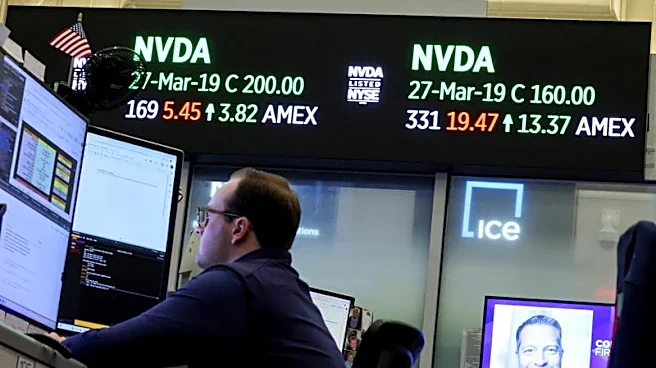
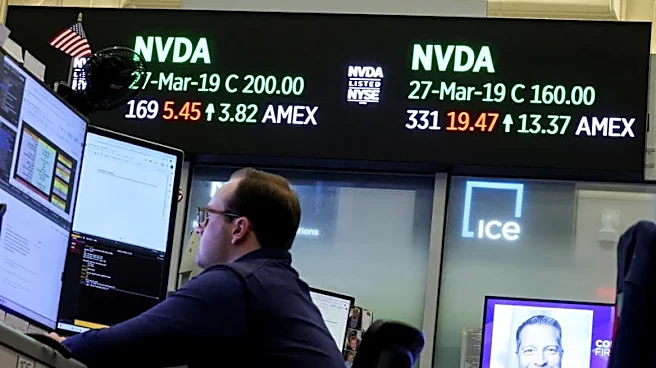
Warsh's initiatives, including the AI task force, are designed to broaden the Fed's thinking and encourage robust discussions that delve deeper than fleeting data points. He aims to better equip the Fed for future policy conjunctures. His preference for less frequent and more substantive press conferences, where he avoids providing forward guidance, aligns with his belief that the Fed should talk less and deliberate more. The ongoing study of AI's economic impact, including the potential for a 'China Shock' on U.S. service sector jobs, will be crucial in shaping future policy considerations. The dilemma for Warsh lies in balancing the rapidly evolving and uncertain outlook for AI with the need for stable monetary policy. The market's reaction to events, such as the Nvidia situation, highlights the short-term nature of some market signals, posing a challenge for a policy approach that seeks to focus on long-term trends.
Beyond the Headlines
Warsh's push for a more market-based and forward-looking monetary policy raises fundamental questions about the role of central banks in an increasingly complex and technologically driven economy. His approach challenges the conventional wisdom that relies heavily on economic models and short-term data. The integration of AI's potential impact into Fed deliberations signifies a recognition that technological advancements are not merely external factors but fundamental drivers of economic change. This could lead to a more proactive rather than reactive monetary policy, aiming to shape the economic landscape rather than merely respond to it. The ethical implications of relying heavily on market signals, which can be influenced by speculation and short-term sentiment, also warrant consideration. Ultimately, Warsh's vision suggests a paradigm shift towards a more intellectually invested and deliberative central bank, one that seeks to understand and adapt to profound structural changes in the economy.