





What's Happening?
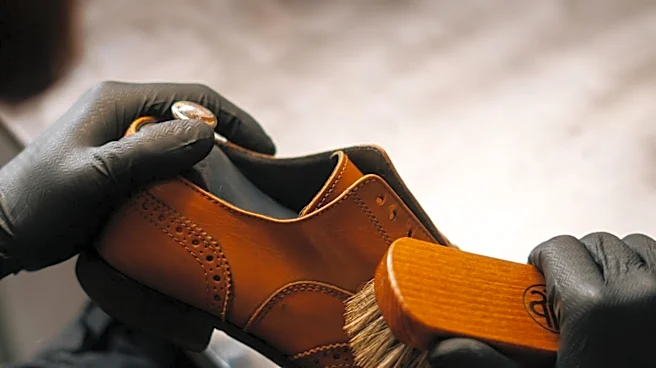
John Elhilow, a seventh-generation cobbler, has been repairing shoes at Superior Shoe Repair in Waltham for nearly 40 years. He learned the trade from his father in Holliston, where the family tradition of cobbling began in Jezzine, Lebanon. The Elhilow family's
cobbler history in the U.S. dates back to the late 1800s, with shops in Brooklyn and Manhattan from 1915 to 1955, and later in Massachusetts. Elhilow opened his Waltham shop in 1989 after noticing a vacant store. He now splits his time between the Waltham location and his father's shop in Holliston. Business has evolved, with daily repairs decreasing from 10-20 pairs in the 1990s to 5-12 pairs today. Elhilow adapts to changes in shoe manufacturing, such as the shift from leather to rubber soles, and also handles custom work, including a specialized shoe for a customer with a prosthetic leg. He also repairs boots, zippers, and other items.
Why It's Important?
The continuation of Superior Shoe Repair highlights the enduring value of traditional craftsmanship and small, family-owned businesses in the U.S. economy. In an era dominated by mass production and disposable goods, businesses like Elhilow's offer specialized services that extend the life of products, promoting sustainability and reducing waste. This also underscores the importance of local businesses in maintaining community character and providing personalized customer service, which often fosters long-term customer loyalty. The decline in daily repairs reflects broader economic and consumer trends, such as the shift towards fast fashion and the decreasing emphasis on repairing items rather than replacing them. However, the continued demand for specialized repairs, like those for custom-made shoes, demonstrates a niche market for high-quality, artisanal services that larger retailers cannot provide. This business also represents a cultural legacy, preserving a trade passed down through generations.
What's Next?
Elhilow continues to manage both his Waltham and Holliston locations, adapting to the changing demands of the shoe repair industry. He is currently training a 25-year-old, indicating an effort to pass on the trade and ensure the continuity of the business. This mentorship is crucial for the survival of traditional crafts in a modern economy. The future will likely involve a continued focus on specialized repairs and maintaining a loyal customer base, as the overall volume of shoe repairs may not return to past levels. The business will need to navigate consumer preferences for new products versus repairing existing ones, potentially by emphasizing the quality, sustainability, and sentimental value of repairing cherished items. The training of a new generation suggests a proactive approach to sustaining the family legacy and the craft of cobbling.
Beyond the Headlines
The story of Superior Shoe Repair extends beyond simple business operations, touching upon themes of heritage, resilience, and the changing nature of consumerism. It represents a tangible link to a past where goods were made to last and repair was a common practice, contrasting with today's throwaway culture. The Elhilow family's journey from Lebanon to the U.S. and their multi-generational commitment to cobbling illustrate the immigrant experience and the establishment of enduring family enterprises. The shop serves as a community hub, fostering personal connections between the cobbler and his customers, many of whom have been loyal for decades. This highlights the social value of local businesses that offer more than just a service, but also a sense of continuity and personal touch in an increasingly impersonal world. The challenge of finding new workers and the effort to train a younger generation also speak to the broader issue of preserving skilled trades in the face of technological advancements and shifting career aspirations.