






What's Happening?
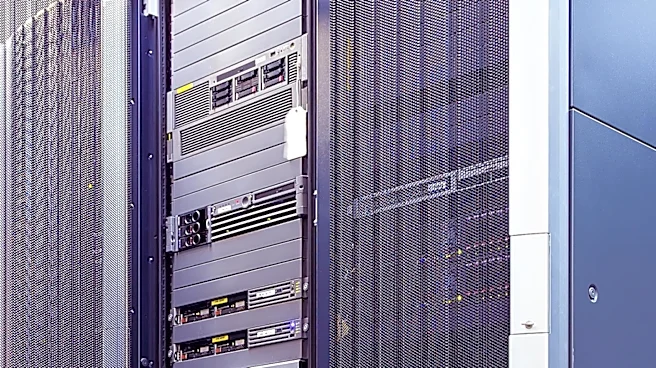
Andrew Power, CEO of Digital Realty, one of the largest data center Real Estate Investment Trusts (REITs), has stated that a potential slowdown in artificial intelligence (AI) development does not signify an "end of the world" for the data center real
estate market. His comments come after warnings about AI advancements led to a slump in the stocks of Digital Realty and Equinix. Power emphasized that significant digital transformation is occurring independently of AI, including substantial growth in cloud computing, which continues to drive demand for data center capacity. He noted that hyperscalers have had to choose between expanding their commercial cloud businesses and allocating capacity to AI labs, suggesting that other digital demands have been overshadowed by the focus on AI. Power also highlighted that not all markets will be equally impacted, with Digital Realty's markets like Northern Virginia, Dallas, Chicago, Singapore, Tokyo, Frankfurt, and Amsterdam experiencing demand outpacing supply for several years, indicating a pent-up need for infrastructure.
Why It's Important?
This perspective from a major data center REIT CEO is crucial for the U.S. real estate and technology sectors, as it offers a counter-narrative to the recent anxieties surrounding AI development. While AI is a significant driver of data center demand, accounting for potentially 70% of global capacity by 2030, Power's insights suggest that the underlying demand for digital infrastructure is broader and more resilient. This reassures investors and stakeholders that the data center market is not solely dependent on the pace of AI innovation. For U.S. businesses, particularly those in cloud services and enterprise IT, this indicates continued growth opportunities and a stable demand for physical infrastructure. The ongoing competition for space in key markets like Northern Virginia underscores the strategic importance of these locations for digital operations and highlights the need for continued investment in data center development to support the expanding digital economy, regardless of AI's immediate trajectory.
What's Next?
Despite calls for an AI slowdown from major players like Anthropic, OpenAI, and xAI, Power believes these pledges do not halt the need for AI infrastructure, especially for inference rather than just model training. Analysts agree that a slowdown in model training would not directly impact the physical needs of AI. The focus will likely shift to the continued growth of cloud computing, storage, enterprise IT, and internet services as primary drivers of data center demand. Institutional investors like Blackstone, BlackRock, and KKR continue to show high conviction in the data center space, suggesting ongoing investment. Digital Realty will likely continue to expand its global portfolio, focusing on markets where demand consistently outpaces supply. The industry will monitor the balance between AI-driven demand and other digital transformation needs, adapting investment and development strategies accordingly to meet the evolving requirements of the digital economy.
Beyond the Headlines
The debate over an AI slowdown and its impact on data center real estate touches upon deeper economic and technological shifts. It highlights the complex interplay between emerging technologies and established infrastructure, revealing how different facets of the digital economy can drive growth independently. The CEO's comments suggest a maturation of the data center market, where demand is diversified beyond a single technology trend. This resilience points to the fundamental and enduring need for digital infrastructure in an increasingly connected world. Ethically, the discussion about AI's pace of development also brings to light the societal responsibility of tech companies and infrastructure providers to ensure sustainable growth and resource allocation. Culturally, the continuous expansion of data centers reflects the pervasive integration of digital services into daily life, transforming urban landscapes and energy consumption patterns, and necessitating careful planning for environmental and community impact.