




What's Happening?
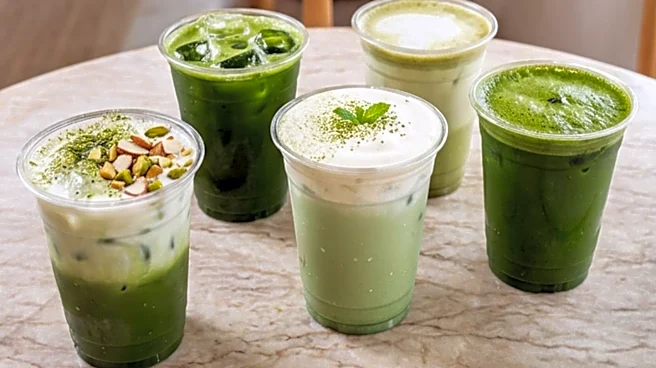
Pittsburgh's Shadyside neighborhood has seen the recent opening of two new modern matcha establishments: Chi Le Ma and Spot of Matcha. Chi Le Ma, a modern Asian noodle, dessert, and matcha cafe, soft-launched in October at 709 Bellefonte St. It offers
a menu that includes noodle dishes, Korean shaved-ice desserts (bingsu), and handcrafted Japanese matcha drinks, aiming for a cozy atmosphere. Following this, Spot of Matcha, a specialty matcha bar, also soft-opened in October at 5730 Ellsworth Ave. This new cafe is a sister business to East Liberty’s Spot of Coffee. These openings signify a growing trend in Pittsburgh's culinary landscape, introducing more diverse beverage and dessert options to residents. The establishments are part of a broader wave of new restaurant openings and expansions across the city, including Japanese fusion, sourdough pizza, and bagel shops, alongside some closures.
Why It's Important?
The introduction of dedicated matcha bars and Asian-inspired cafes like Chi Le Ma and Spot of Matcha in Pittsburgh reflects a broader national trend of increasing consumer interest in specialized beverage experiences and diverse international cuisines. Matcha, a finely ground powder of specially grown and processed green tea leaves, is gaining popularity for its unique flavor profile and perceived health benefits. These new businesses cater to a growing demographic seeking alternatives to traditional coffee shops and a wider variety of cultural food and drink options. For Pittsburgh, this expansion enriches the local food scene, offering more choices for residents and potentially attracting food tourism. It also indicates a dynamic and evolving market where niche culinary concepts can thrive, contributing to local economic growth and job creation in the hospitality sector.
What's Next?
The success of Chi Le Ma and Spot of Matcha in Shadyside could pave the way for further expansion of similar specialized beverage concepts in Pittsburgh and other U.S. cities. As consumer preferences continue to shift towards unique and health-conscious options, more entrepreneurs may be encouraged to invest in matcha-focused cafes or integrate matcha into existing menus. These new establishments will likely monitor customer feedback and sales trends to refine their offerings and potentially introduce new matcha-based products or food pairings. The competitive landscape within Pittsburgh's cafe scene may also intensify, prompting existing businesses to innovate or adapt to meet evolving consumer demands. Future developments could include collaborations with local food producers or participation in community events to further integrate these new businesses into the local fabric.
Beyond the Headlines
The rise of modern matcha bars like those in Pittsburgh signifies more than just a culinary trend; it reflects a broader cultural shift towards globalized tastes and a greater appreciation for artisanal and specialized products. Matcha, with its roots in Japanese tea ceremonies, brings a sense of tradition and mindfulness that resonates with consumers seeking more than just a quick drink. This trend also highlights the increasing influence of social media and food culture on consumer choices, as aesthetically pleasing matcha drinks often become popular content. Furthermore, the emphasis on 'handcrafted' and 'specialty' items points to a desire for quality and authenticity, moving away from mass-produced goods. This could lead to a more discerning consumer base that values the origin, preparation, and unique experience offered by such establishments, potentially influencing supply chains for specialty ingredients.