
What's Happening?
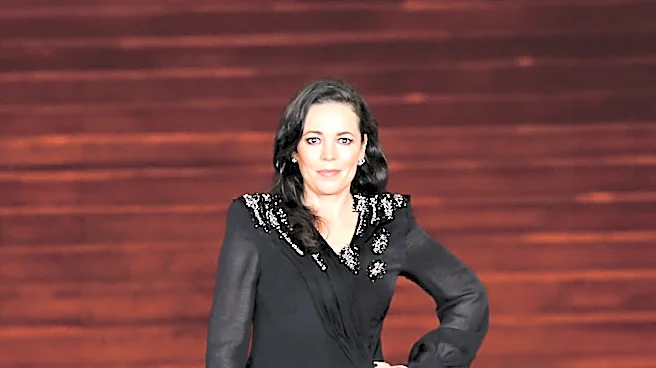
Actress Olivia Colman appeared at the Zurich Film Festival with an all-grey, curly hairstyle, departing from her usual brunette tresses. This new look, which she embraced naturally, has garnered attention and praise for its sophisticated and modern appearance.
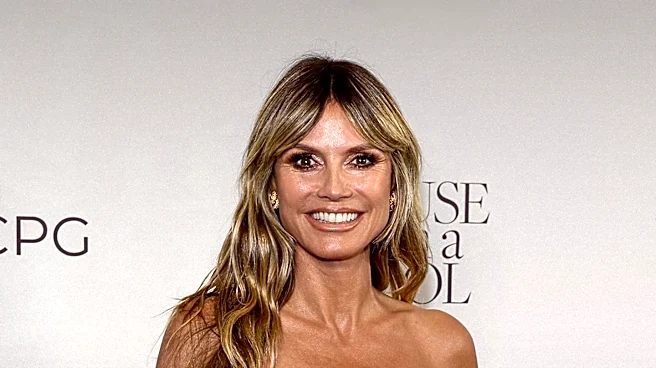
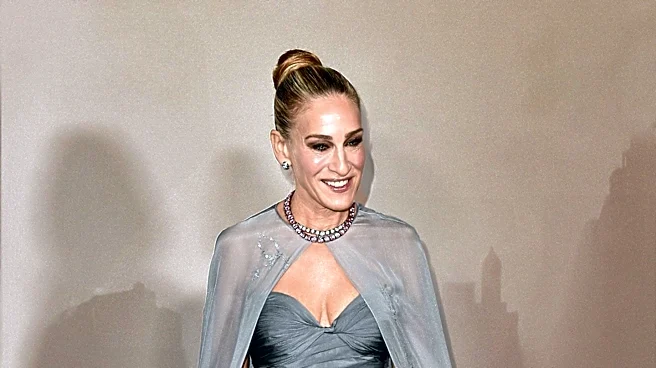
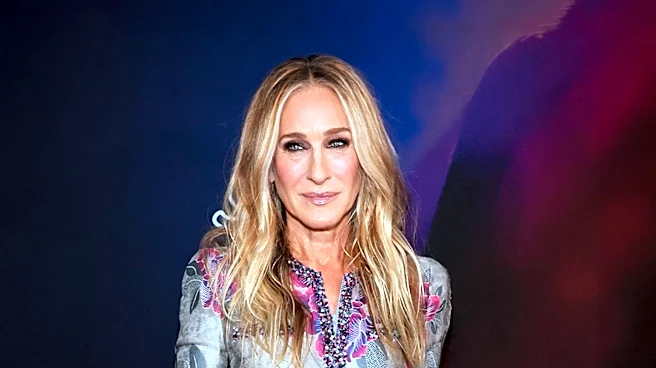
Bellissima Italia ambassador and curly hair specialist Callum Ashely Townsend commented on how the natural grey look embodies a powerful stance on natural beauty and chic appearance at any age. Fashion editor Stacey Duguid noted that embracing grey hair is often seen as a privilege, particularly for women re-entering the workplace. Colman's transformation is part of a broader trend among celebrities, including Brooklyn Peltz-Beckham, Helen Mirren, Dawn French, Sarah Jessica Parker, Sharon Stone, and Salma Hayek, who are increasingly opting to embrace their natural grey hair. This shift suggests a growing acceptance and celebration of natural hair color in the public eye.
Why It's Important?
The embrace of natural grey hair by prominent figures like Olivia Colman holds significant cultural and societal importance, particularly for women in the U.S. and globally. It challenges conventional beauty standards that often pressure women to conceal signs of aging, promoting a more inclusive and realistic representation of beauty. This trend can empower individuals to feel more comfortable and confident in their natural appearance, potentially reducing the psychological and financial burden associated with maintaining dyed hair. For the beauty industry, this shift could lead to increased demand for products that enhance and care for grey hair, rather than solely focusing on covering it. It also sparks conversations about ageism and gender expectations, especially in professional settings, as highlighted by fashion editor Stacey Duguid's comment on women returning to the workplace. The visibility of celebrities embracing grey hair can normalize the process of aging and foster a more accepting environment for natural beauty.
What's Next?
The growing trend of celebrities embracing natural grey hair is likely to continue influencing beauty standards and consumer choices. We can anticipate a further normalization of grey hair in media and fashion, potentially leading to more diverse representations of age and beauty. The beauty industry may respond by developing new product lines specifically tailored for grey hair care, such as specialized shampoos, conditioners, and styling products designed to enhance its natural luster and texture. There could also be a shift in marketing strategies, with more campaigns featuring models and celebrities with natural grey hair. Furthermore, this trend might encourage broader societal discussions about ageism and the pressures faced by individuals, particularly women, to maintain a youthful appearance. This could lead to a more inclusive dialogue about aging gracefully and authentically in various aspects of life, including professional environments.
Beyond the Headlines
Beyond the immediate visual impact, Olivia Colman's decision to embrace her natural grey hair taps into deeper societal conversations about authenticity, aging, and the evolving definition of beauty. In an era often dominated by anti-aging narratives and cosmetic interventions, her choice serves as a powerful counter-narrative, suggesting that natural progression and self-acceptance can be equally, if not more, empowering. This move can subtly challenge the pervasive influence of the beauty industry's youth-centric marketing, potentially fostering a more diverse and realistic understanding of attractiveness. Ethically, it raises questions about the pressures placed on public figures, particularly women, to conform to specific aesthetic ideals. Culturally, it contributes to a broader movement towards body positivity and naturalism, encouraging individuals to embrace their authentic selves rather than striving for unattainable or artificially maintained appearances. This shift could have long-term implications for how society perceives and values aging, promoting a more inclusive and less ageist perspective.