








What's Happening?
Eni, an Italian multinational oil and gas company, has agreed to acquire a 32% interest in three upstream blocks in Argentina's Vaca Muerta shale. This acquisition is part of the integrated Argentina LNG project, which aims to expand Eni's position in one
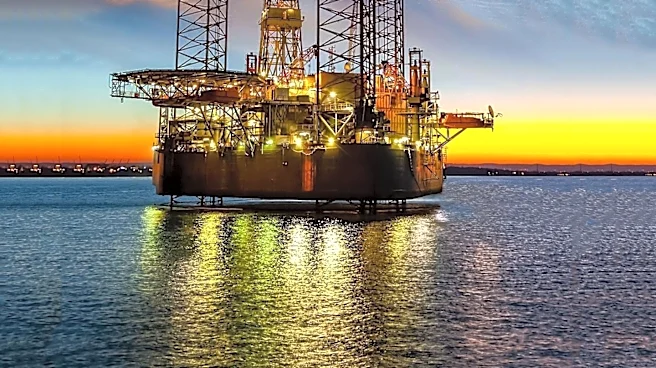
of the world's largest unconventional gas developments. The agreement involves the Meseta Buena Esperanza, Aguada Villanueva, and Las Tacanas blocks. Upon completion, YPF will hold a 36% interest, while Eni and XRG will each own 32%. The project is designed to monetize Vaca Muerta's unconventional gas resources through floating LNG export facilities, with plans to include two floating LNG units with a combined export capacity of 12 million metric tons per annum (MMtpa). Guido Brusco, Eni's chief operating officer for global natural resources, emphasized the strategic importance of this entry into the Vaca Muerta basin, which strengthens Eni's ability to develop large-scale gas resources.
Why It's Important?
This development is significant as it positions Argentina as a potential long-term LNG exporter, leveraging the vast unconventional gas resources of the Vaca Muerta formation. The involvement of major players like Eni and XRG in the Argentina LNG project enhances the project's credibility and potential success. For the U.S., this could mean increased competition in the global LNG market, potentially affecting U.S. LNG exports. Additionally, the project could influence global LNG prices and supply dynamics, impacting energy markets and stakeholders worldwide. The strategic partnership also highlights the growing importance of unconventional gas resources in meeting global energy demands.
What's Next?
The completion of this transaction is subject to regulatory approvals. Once finalized, the partners will advance plans to develop the Vaca Muerta blocks and establish the floating LNG export facilities. The project's progress will be closely monitored by international energy markets, as it could significantly alter LNG supply chains. Stakeholders, including governments and energy companies, will likely assess the project's impact on global LNG supply and demand. The success of this project could encourage further investments in unconventional gas resources, potentially leading to more similar projects in other regions.