





What's Happening?
The multifamily housing sector is experiencing a significant advancement in access control technology with the introduction of outdoor-rated smart locks. Historically, exterior-facing unit doors in properties such as garden-style walk-ups, breezeway-access
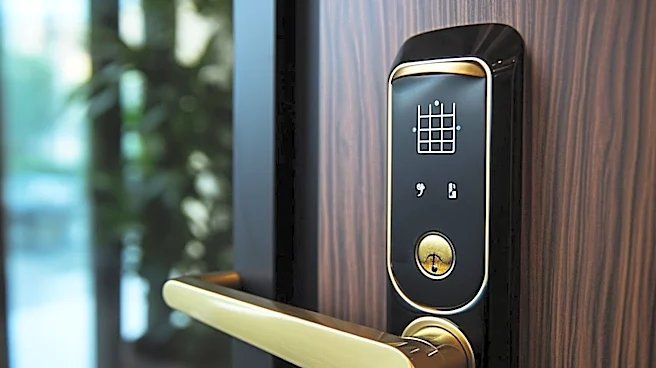
buildings, and townhome rentals have resisted the digital transformation seen in interior access points like lobbies and fitness centers. This resistance was primarily due to the inability of standard consumer smart locks to withstand outdoor environmental conditions, leading to rapid battery discharge in cold weather, keypad failures in wet conditions, and corrosion from salt air or UV degradation. These issues often resulted in expensive early failures and a return to mechanical hardware. However, new hardware, exemplified by products like the Salto DBolt Touch Outdoor, is designed to fit existing residential deadbolt preps and endure outdoor exposure, offering a solution that integrates seamlessly into existing electronic access platforms. This development allows for centralized credential management, predictable maintenance, and auditability across an entire property portfolio, addressing the limitations of consumer-grade hardware in a multi-unit operational environment.
Why It's Important?
This technological advancement is crucial for the U.S. multifamily housing industry, which includes millions of exterior-facing unit doors across various property types. For property owners and operators, the inability to convert these doors to smart access has resulted in significant recurring costs associated with mechanical locks, such as frequent rekeying, managing key inventories, and responding to after-hours lockouts. A 150-unit garden-style community with 40% annual turnover, for instance, faces the need to manage 60 unit doors each year, incurring substantial labor and material costs. The new outdoor-rated smart locks eliminate these ongoing expenses by providing a durable, electronic solution that fits into existing door preparations without requiring extensive construction or wiring. This shift not only reduces operational costs but also enhances security through electronic audit trails and improves resident convenience by offering mobile, RFID, and PIN credentials. The ability to manage all access points on a single platform streamlines operations and provides a comprehensive security overview, benefiting both property management and residents.
What's Next?
The widespread adoption of these new outdoor-rated smart locks is expected to accelerate the digital transformation of access control across the U.S. multifamily housing market. Property owners and operators who have previously been hesitant to upgrade exterior unit doors due to cost and logistical challenges will now have a viable and cost-effective solution. The ease of installation, which involves a simple hardware swap into existing deadbolt preps and does not require electricians or wall penetrations, will likely encourage rapid deployment. As more properties transition to these systems, the industry will see a reduction in maintenance calls related to lock failures and an improvement in overall security and operational efficiency. Furthermore, the integration of these locks into existing building-level wireless gateways will enable online features, allowing for remote unlocking and real-time access management. This will lead to a more connected and secure living experience for residents and a more streamlined management process for property staff.
Beyond the Headlines
The introduction of robust outdoor-rated smart locks signifies a broader shift in how technology addresses previously intractable challenges in the built environment. Beyond the immediate benefits of cost savings and enhanced security for multifamily housing, this development highlights the increasing demand for durable and integrated smart home solutions that can withstand diverse environmental conditions. It underscores a trend towards comprehensive digital ecosystems in residential properties, where every access point, regardless of its exposure to the elements, can be centrally managed and monitored. This evolution also raises questions about data privacy and the security of personal access credentials in an increasingly connected living space. As these technologies become more prevalent, the industry will need to continue innovating to ensure the resilience of hardware against environmental factors and cyber threats, while also establishing clear guidelines for data management and resident privacy in smart communities. The long-term impact could reshape urban planning and property development, prioritizing integrated smart infrastructure from the outset.