






What's Happening?
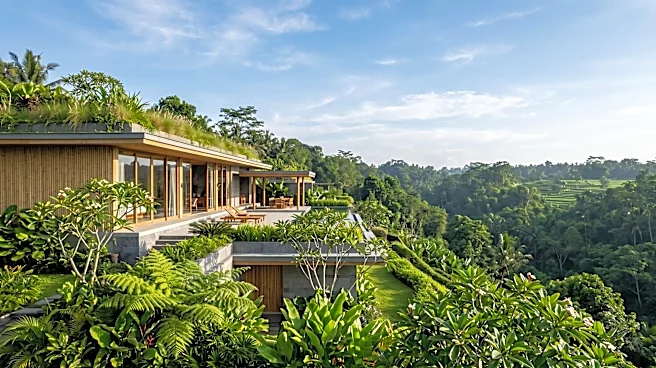
Bali's eco-tourism projects are gaining international recognition for their commitment to sustainability, regeneration, and authentic cultural immersion. Initiatives like Bambu Indah, founded by John Hardy, are celebrated for their environmentally sustainable
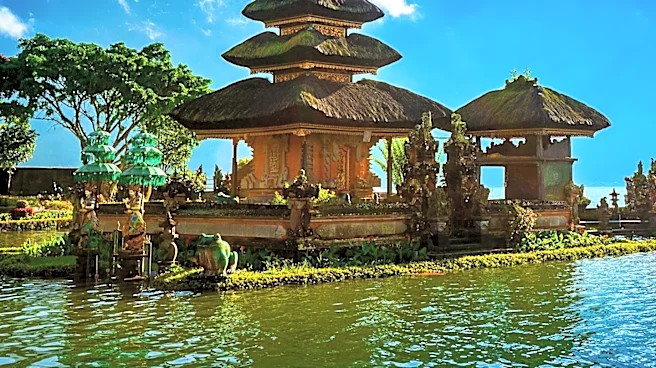
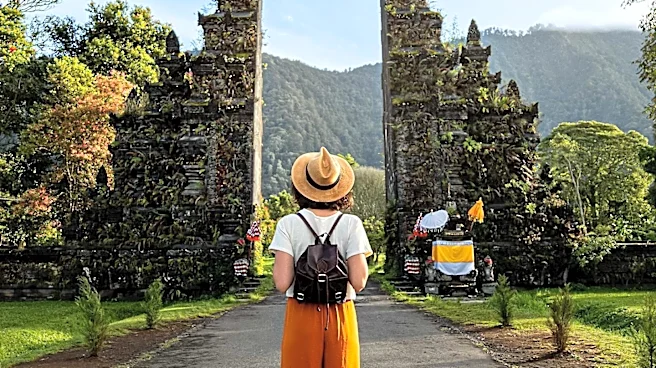
practices, stunning design, and positive impact on local communities and landscapes. These projects go beyond mere sustainability, actively promoting regeneration to ensure tourism contributes more to the environment and local populations than it consumes. Eco-tourism in Bali encompasses a wide range of experiences, from bamboo architecture villas and farm-to-table dining to snorkeling and waterfall hikes. The island's deep-rooted cultural philosophy of Tri Hita Karana, which emphasizes harmony with gods, humans, and nature, serves as a guiding principle for many of these eco-tourism programs, allowing tourists to connect with the island on a deeper level. Even large-scale tourism businesses are adopting eco-tourism initiatives, demonstrating that luxury and environmental responsibility can coexist.
Why It's Important?
The success of Bali's eco-tourism model offers a significant blueprint for the global tourism industry, including potential applications in U.S. destinations. By integrating sustainability and regeneration into tourism, Bali demonstrates how economic development can align with environmental protection and cultural preservation. This approach can lead to more resilient local economies, as it fosters community involvement and respects indigenous practices. For U.S. regions with rich natural landscapes and cultural heritage, adopting similar models could attract a growing segment of environmentally conscious travelers, boosting local economies while safeguarding natural resources. Furthermore, the emphasis on cultural immersion provides a more enriching experience for tourists, potentially leading to longer stays and increased spending, benefiting local businesses and artisans. The model also highlights the importance of a holistic approach, where environmental, social, and economic factors are considered in tandem, offering a valuable lesson for sustainable development efforts worldwide.
What's Next?
The continued success and expansion of Bali's eco-tourism projects are likely to inspire other global destinations, including those in the U.S., to adopt similar sustainable and regenerative tourism practices. There may be increased collaboration between international tourism bodies and local communities to develop and implement eco-tourism standards. We can anticipate a rise in demand for travel experiences that offer authentic cultural immersion and a positive environmental impact, pushing the tourism industry towards more responsible practices. Educational initiatives, such as those offered by Ubud Story Walks, are expected to grow, providing tourists with deeper insights into local culture and environmental stewardship. Furthermore, the integration of eco-tourism principles into larger hospitality businesses, as seen with Potato Head and Bambu Indah, suggests a future where sustainable practices become a mainstream expectation rather than a niche offering in the tourism sector.
Beyond the Headlines
The deeper implication of Bali's eco-tourism success lies in its demonstration of how traditional cultural values can serve as a powerful foundation for modern sustainable development. The philosophy of Tri Hita Karana, which underpins many of these initiatives, illustrates that environmental care is not merely a regulatory requirement but an intrinsic part of a harmonious existence. This approach challenges the conventional tourism model that often prioritizes profit over planetary and cultural well-being. For the U.S., this could spark a re-evaluation of how indigenous knowledge and local community values can be integrated into tourism development, moving beyond superficial cultural displays to genuine partnerships. It also highlights the ethical responsibility of tourists to engage with destinations in a way that respects and contributes to local ecosystems and cultures, fostering a more conscious and responsible global travel community. The long-term shift could be towards a global tourism industry where destinations are not just visited, but actively regenerated and celebrated for their unique natural and cultural assets.