





What's Happening?
Gardeners are utilizing row covers to protect late-summer vegetables from cooling temperatures and impending frost, thereby extending the growing season. These UV-protectant fabric sheets can be used in two ways: draped directly over plants (floating)
or affixed to hoops to create a protective frame (hooped). The hooped method is particularly beneficial for taller or more fragile crops, preventing the fabric from crushing foliage. Row covers are effective for a variety of cool-season vegetables, including spinach, radishes, cucumbers, potatoes, kale, and lettuces. They can raise the ambient temperature around plants by up to 8 degrees Fahrenheit, which can be crucial for plant survival as temperatures drop. The covers are available in different weights, with lightweight options primarily serving as insect barriers and allowing significant sunlight, while medium-weight fabrics balance warmth and light transmission, offering 4-6 degrees Fahrenheit of warming and 70-85% sunlight. Heavy fabrics provide the most warmth but block considerable sunlight and water, risking overheating. Proper installation involves securing the edges to prevent wind displacement and ensuring enough slack for plant growth. Monitoring soil moisture and temporarily removing covers for pollinating flowering plants are essential practices.
Why It's Important?
The use of row covers offers a significant advantage to U.S. home gardeners and potentially small-scale farmers by extending the harvest period for various vegetables. This practice can lead to increased food security at a household level and reduce reliance on early-season produce, allowing for a more continuous supply of fresh, locally grown food. For regions experiencing unpredictable weather patterns or early frosts, row covers provide a practical and cost-effective solution to safeguard crops, minimizing potential losses. The ability to grow vegetables like brassicas and leafy greens into the winter, and have them ready for an early spring harvest, can enhance nutritional intake and reduce grocery expenses for families. Furthermore, this method promotes sustainable gardening practices by maximizing the yield from existing garden spaces and potentially reducing the carbon footprint associated with transporting produce from warmer climates. The varying weights of row covers allow for tailored protection, addressing specific plant needs and environmental conditions, thus optimizing growing conditions and resource utilization.
What's Next?
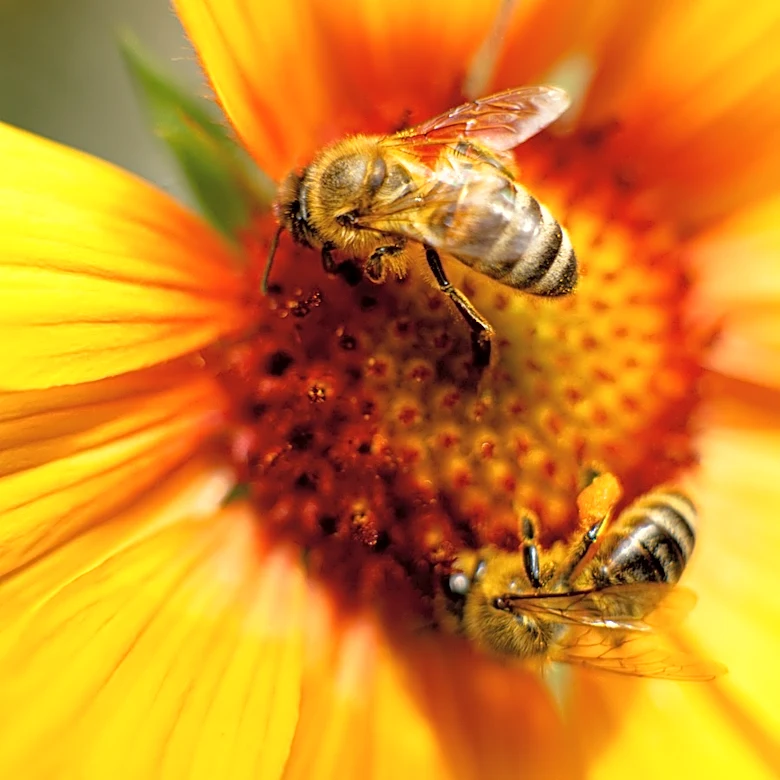
Gardeners will continue to monitor weather conditions closely, adjusting the use of row covers as temperatures fluctuate. As the season progresses, the focus will shift towards selecting the appropriate weight of row cover based on the severity of expected frost and the specific needs of the plants. For flowering plants, gardeners will need to remain vigilant, temporarily removing covers during bloom times to allow for insect pollination. Regular checks of soil moisture levels will be crucial to ensure plants receive adequate hydration, especially under covers that might impede natural rainfall. Those with brassicas, leafy greens, and root vegetables may aim to keep these crops protected throughout the winter, anticipating an early spring harvest. The ongoing adoption of these techniques could lead to a broader understanding and implementation of season extension strategies among home gardeners, potentially influencing local food production trends and encouraging more resilient gardening practices in the face of changing climates.
Beyond the Headlines
The widespread adoption of row covers reflects a growing trend towards self-sufficiency and resilience in food production, particularly in the context of climate variability. This simple technology empowers individuals to exert greater control over their food sources, fostering a deeper connection to the agricultural cycle. Beyond the immediate benefits of extended harvests, the practice encourages a more mindful approach to gardening, requiring observation of plant needs and environmental conditions. It also highlights the ingenuity in adapting traditional gardening methods with modern materials to overcome environmental challenges. The emphasis on protecting cool-season vegetables and preparing them for an early spring start underscores a shift towards maximizing productivity and minimizing waste in home gardens. This approach could also inspire community-level initiatives, such as shared gardening resources or educational programs, further promoting sustainable food systems and local food economies. The subtle act of covering a plant becomes a symbol of human adaptation and the enduring desire to nurture life and sustain communities.