




What's Happening?
Several U.S. national parks are offering free entry year-round, providing visitors with opportunities to explore diverse landscapes without the burden of entrance fees. Among these parks are the Great Smoky Mountains National Park, Congaree National Park, and New
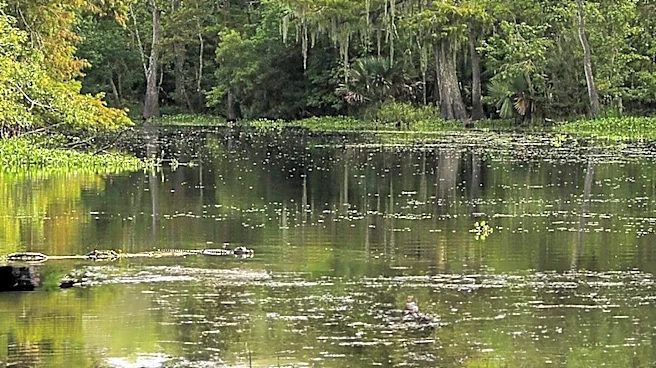
River Gorge National Park. Each park offers unique attractions, such as the wildlife-rich Cades Cove in the Great Smoky Mountains, the old-growth forests of Congaree, and the whitewater rafting opportunities in New River Gorge. While entry is free, some parks may charge for additional services like parking, guided tours, or camping. These parks are particularly appealing during the fall season, offering vibrant foliage and cooler temperatures, making them ideal for hiking, wildlife viewing, and other outdoor activities.
Why It's Important?
The availability of free entry to these national parks is significant as it encourages more people to engage with nature and explore the country's natural heritage without financial barriers. This initiative can boost local tourism economies by attracting visitors who may spend on accommodations, dining, and other local services. Additionally, it promotes environmental awareness and conservation by increasing public access to protected areas. The parks' diverse ecosystems offer educational opportunities about biodiversity and the importance of preserving natural habitats. By providing free access, the National Park Service supports public health by encouraging outdoor recreation, which can improve physical and mental well-being.
What's Next?
As these parks continue to offer free entry, they may see an increase in visitor numbers, especially during peak seasons like fall. This could lead to challenges such as overcrowding, which park management will need to address to maintain a positive visitor experience and protect natural resources. Strategies may include promoting off-peak visits, enhancing infrastructure, and increasing educational outreach to encourage responsible tourism. Additionally, the parks may explore partnerships with local businesses and communities to maximize the economic benefits of increased visitation while ensuring sustainable practices are in place.
Beyond the Headlines
The decision to offer free entry to these national parks reflects broader efforts to make natural spaces more accessible to diverse populations, including those who may not traditionally visit national parks. This inclusivity can foster a greater appreciation for the environment across different demographics, potentially leading to increased advocacy for conservation efforts. Moreover, as climate change continues to impact natural landscapes, these parks serve as critical refuges for wildlife and as living laboratories for studying ecological changes. By engaging more visitors, the parks can play a pivotal role in raising awareness about environmental issues and inspiring collective action towards sustainability.