







What's Happening?
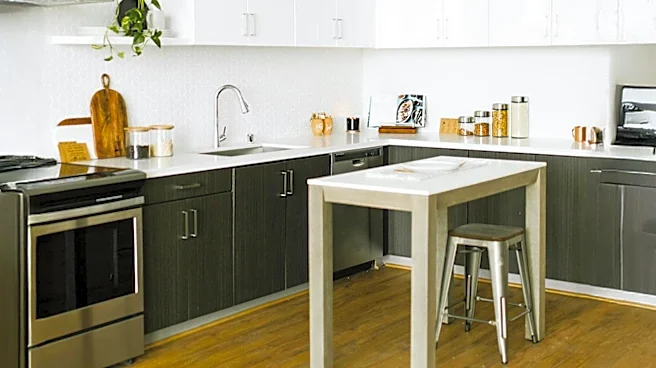
Tariffs on imported kitchen cabinets and vanities from most countries are scheduled to increase from 25% to 50% on January 1, 2027. This tariff was initially imposed in September 2025 under Section 232 of the Trade Expansion Act, with a 25% rate taking
effect on October 14, 2025. The planned increase to 50% was originally set for January 1, 2026, but was delayed by President Trump for one year to allow for ongoing trade talks. As of late October 2026, the 50% rate remains scheduled. The tariff covers not only finished cabinets but also some cabinet parts and ready-to-assemble kits. While some trading partners like the United Kingdom (10%) and the European Union and Japan (15% for qualifying cabinets) have lower caps under trade deals, the general rate is set to double. U.S. cabinet suppliers have already begun raising prices or warning about impending increases.
Why It's Important?
The impending tariff increase to 50% on imported kitchen cabinets and vanities will significantly impact U.S. consumers, home builders, and the remodeling industry. This substantial price hike could make kitchen renovations considerably more expensive, potentially deterring homeowners from undertaking such projects or forcing them to opt for lower-cost alternatives. For businesses in the flooring, cabinet, and countertop sectors, it means navigating higher procurement costs and communicating these increases to customers. Even cabinets assembled in the U.S. may see price increases if they utilize imported parts covered by the tariff. This situation highlights how trade policies directly affect consumer goods and the broader housing and construction markets, potentially slowing down economic activity in these sectors and shifting consumer purchasing habits towards domestically sourced or higher-priced products.
What's Next?
Consumers planning kitchen remodels in the next year are advised to finalize and sign cabinet orders before January 1, 2027, to lock in current prices. Many suppliers are already adjusting prices or warning of future increases. For those purchasing imported lines, it is crucial to confirm whether the price is locked at the time of order or subject to change upon shipment or arrival, as tariffs are charged when goods enter the country. The scheduled increase could still be delayed again or altered by new trade deals, but as of now, the 50% rate is expected. Businesses in the industry will need to adjust their pricing strategies and supply chain management to account for the higher costs, potentially exploring more domestic sourcing options or passing increased costs onto consumers.
Beyond the Headlines
The tariff increase on kitchen cabinets reflects a broader trend of using trade policy to influence domestic manufacturing and consumption patterns. While the stated goal might be to protect U.S. wood product industries, such tariffs can have unintended consequences, including increased costs for consumers and potential disruptions in supply chains. This specific tariff also illustrates the complexity of 'made in America' claims, as even domestically assembled products often rely on a global supply chain for parts. The decision to delay the tariff increase once before suggests that trade negotiations play a significant role in these policy decisions. The long-term implications could include a shift in consumer preferences towards more affordable, potentially lower-quality, domestic options, or a slowdown in the kitchen remodeling market as consumers defer projects due to higher costs. It also underscores the vulnerability of specific consumer goods to fluctuating international trade relations.