






What's Happening?
TC Energy has outlined the next phase of growth for its NGTL System, forecasting a substantial increase in natural gas demand over the next five years. The company projects total demand on the system to rise approximately 25 percent, from 14.4 billion
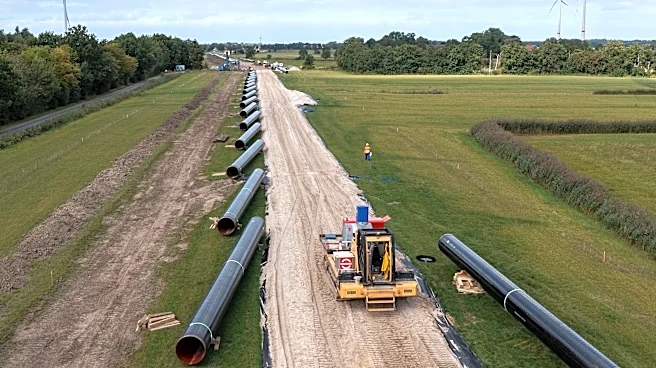
cubic feet per day (Bcf/d) in 2026 to about 18 Bcf/d by 2031. This updated forecast, which is 1.5 Bcf/d higher than the 2025 outlook, reflects accelerated demand growth, with over 60 percent of the increase anticipated from Alberta’s oil sands, power generation, and data center sectors. To accommodate this growth, TC Energy plans to file its 2026 NGTL System Annual Plan with the federal regulator by year-end. A key component of this expansion is the proposed Alberta Growth Connector, an approximately 370-kilometer, 48-inch natural gas pipeline designed to link Western Canadian natural gas supply directly to Alberta’s oil sands region via NGTL. This project, along with additional pipeline loops and compressor units, aims to enhance operational flexibility and establish a scalable foundation for future capacity additions.
Why It's Important?
This significant expansion by TC Energy underscores the growing demand for natural gas across North America, particularly in industrial sectors like Alberta's oil sands, power generation, and data centers. For the U.S., this development in Canadian energy infrastructure has implications for cross-border energy trade and overall continental energy security. TC Energy, a major North American energy infrastructure leader, moves over 30 percent of the natural gas used across the continent and connects LNG exports to global markets. Increased capacity in the NGTL System could facilitate greater natural gas availability, potentially impacting energy prices and supply stability in interconnected markets. The investment in infrastructure also signals confidence in natural gas as a foundational energy source for the foreseeable future, influencing long-term energy policy and investment decisions in both Canada and the U.S. The project's success hinges on securing commercial support, stakeholder engagement, and regulatory approvals, highlighting the complex interplay of economic, environmental, and political factors in large-scale energy projects.
What's Next?
TC Energy expects to file its 2026 NGTL System Annual Plan with the federal regulator by the end of the year, which will then be publicly released. The proposed Alberta Growth Connector and related facilities are contingent on securing commercial support, engaging with rightsholders and stakeholders, obtaining regulatory approvals, and completing TC Energy’s internal project-sanctioning process. The company plans to launch additional service offerings as early as January 2027, providing customers with further opportunities to contract for incremental service, potentially exceeding 1.3 Bcf/d of new delivery service between 2030 and 2032. This builds upon approximately 1 Bcf/d of incremental service offered in 2026. These steps indicate a phased approach to expansion, with ongoing commercial and regulatory milestones determining the project's progression and ultimate capacity additions.
Beyond the Headlines
The projected increase in natural gas demand and TC Energy's expansion plans highlight the ongoing energy transition challenges and the continued reliance on fossil fuels, even as global efforts push for renewable energy. The significant demand from data centers, in particular, points to the increasing energy intensity of the digital economy. This development raises questions about the environmental impact of expanding natural gas infrastructure, especially concerning greenhouse gas emissions and the long-term viability of such investments in a climate-conscious world. The project's need for regulatory approvals and stakeholder engagement also underscores the complex social license required for large-scale energy projects, often balancing economic benefits against environmental concerns and Indigenous rights. This expansion could solidify natural gas's role as a bridge fuel or, conversely, intensify debates about accelerating the shift to cleaner energy sources, shaping the future energy landscape of North America.