






What's Happening?
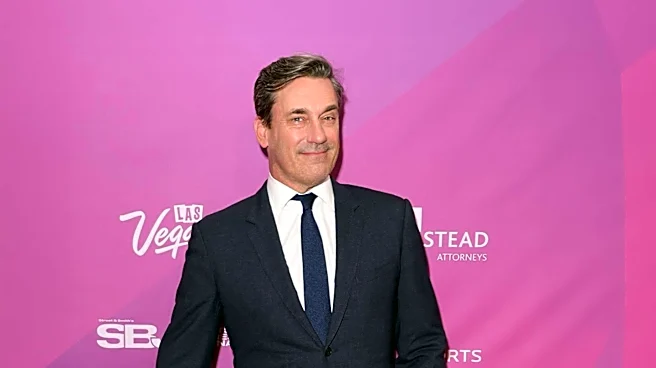
Actor Jon Hamm is starring in the new MGM+ series 'American Hostage,' which dramatizes the 1977 Tony Kiritsis hostage crisis in Indianapolis. Hamm visited the Hammer & Nigel Show on 93.1 WIBC, discussing his role as legendary WIBC newsman Fred Heckman,
who became a de facto negotiator during the 63-hour standoff. The series originated as a podcast in 2020, a project conceived during the pandemic. Hamm was drawn to the story's intensity and the unique role Heckman played, transitioning from reporting the news to directly engaging with the hostage-taker, Tony Kiritsis, live on air. Hamm noted the stark difference in media practices between 1977 and today, where such live, unfiltered involvement by a journalist was unprecedented and deeply unnerving. The series aims to recreate 1970s Indianapolis, with filming taking place in Winnipeg, Canada, due to its preserved mid-century architecture. Hamm praised the production team for meticulously capturing the era without resorting to caricature.
Why It's Important?
The 'American Hostage' series is significant for bringing a pivotal moment in Indianapolis history to a national audience, highlighting a case that marked an early turning point in media ethics and the evolving role of journalism. Fred Heckman's unexpected role as a negotiator during the 1977 crisis underscores the immense pressure and moral dilemmas faced by journalists when human lives are at stake. This event predates the 24-hour news cycle, offering a historical perspective on how media handled sensational events before constant live coverage became the norm. Jon Hamm's portrayal of Heckman emphasizes the trusted authority local news figures once held in their communities, a stark contrast to the fragmented media landscape of today. The series also explores the complex character of Tony Kiritsis, presenting him as a 'reluctant folk hero' who felt wronged by 'big business,' which resonates with broader themes of economic injustice and public sympathy for the 'little guy.' This historical dramatization provides valuable insights into the societal and media shifts that have shaped contemporary news consumption and public perception.
What's Next?
The MGM+ series 'American Hostage' is currently streaming, with new episodes released weekly. This episodic release strategy, favored by Hamm, aims to encourage weekly discussion and engagement, reminiscent of the 'golden age of prestige television.' For viewers in Indianapolis, the series offers a unique opportunity to revisit a defining local historical event through a dramatic lens. The show's success could lead to further exploration of similar historical events that had significant local and national impact, particularly those involving media's role in crisis situations. The series also contributes to the ongoing conversation about media responsibility, the ethics of live reporting during emergencies, and the public's relationship with news figures. The critical reception and audience engagement with 'American Hostage' will likely influence future decisions by MGM+ and other streaming platforms regarding historical dramas and true-crime narratives.
Beyond the Headlines
Beyond its entertainment value, 'American Hostage' delves into profound questions about the nature of media, public trust, and the human element in crisis. Fred Heckman's transformation from reporter to negotiator blurs the lines of journalistic objectivity, raising ethical considerations that continue to be debated in media circles. The series implicitly critiques the evolution of news, contrasting the measured approach of 1977 with the often 'exploitative' and sensationalized 24-hour news cycle that emerged later. It prompts reflection on the responsibility of media outlets and individual journalists in shaping public perception and influencing real-world events. The story of Tony Kiritsis, a man driven to extreme measures by perceived injustice, also touches on themes of economic vulnerability and the power dynamics between individuals and institutions. By recreating this historical event, 'American Hostage' serves as a cultural artifact that encourages audiences to critically examine the past and its echoes in contemporary society, particularly concerning how crises are reported and consumed.