



What's Happening?
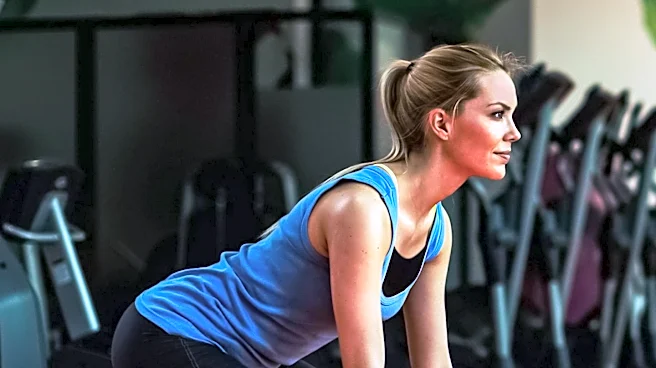
Functional fitness is defined as training that prepares the body for everyday movements such as squatting, lifting, stepping, pushing, pulling, carrying, twisting, and getting up from the floor. It is a goal-oriented approach to exercise, rather than
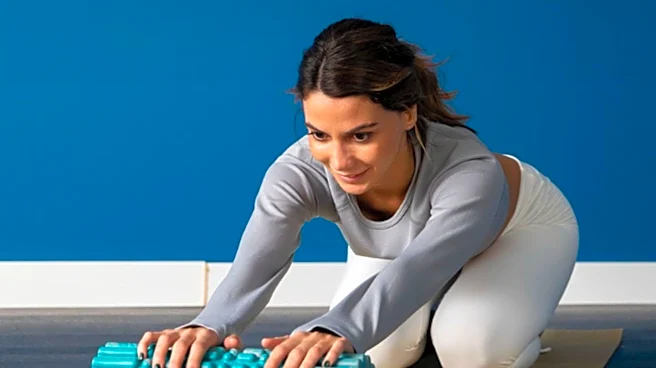
a specific style or equipment type. Workouts are considered functional when their exercises closely mimic real-life tasks, ensuring that strength and control gained transfer directly to daily activities. Bodyweight training at home is well-suited for functional fitness. A comprehensive routine typically covers eight fundamental movement patterns: squat, hinge, lunge, push, pull, carry, rotate, and getting up from the floor, with balance integrated throughout. These routines are recommended two to three times a week, with progressive increases in difficulty over time.
Why It's Important?
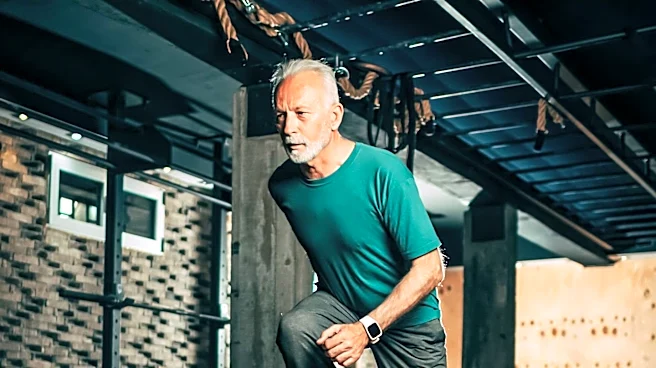
Functional fitness holds significant importance for the U.S. population, particularly as the demographic ages. It directly addresses the ability to maintain independence and quality of life by improving the physical capabilities needed for daily living. Studies, such as one involving adults aged 70 to 89, have shown that structured exercise programs incorporating functional movements can reduce the risk of major mobility disability. Furthermore, simple functional tests, like the ability to sit and rise from the floor or grip strength, have been linked to long-term survival rates. By focusing on practical strength and coordination, functional fitness can help mitigate the burden of age-related decline, reduce falls, and decrease the need for assistance in older adults, thereby impacting healthcare costs and societal well-being.
What's Next?
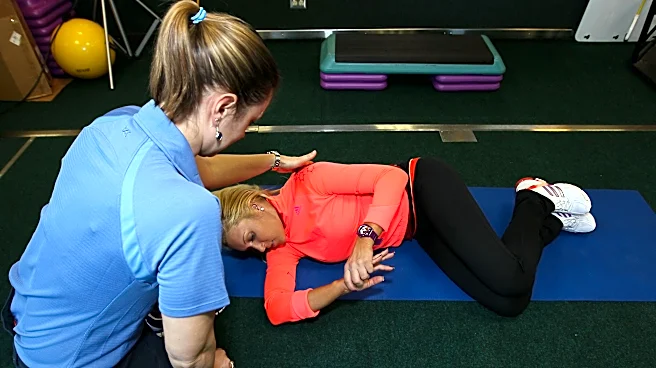
Individuals can assess their functional fitness through five quick checks: chair stands, floor sit and rise, single-leg balance, step-ups, and carrying a heavy bag. These assessments help identify areas needing improvement. A functional routine can be implemented at home two to three times a week, focusing on the eight core movement patterns. Progress can be achieved by gradually increasing load, range of motion, reducing support, and improving speed. The goal is to make daily life itself part of the training, such as taking stairs or carrying groceries. Consistent practice and retesting every one to two months are crucial for tracking progress and ensuring the exercises remain challenging and effective.
Beyond the Headlines
The rise of functional fitness reflects a broader societal recognition of the importance of practical, real-world physical capabilities over purely aesthetic or sport-specific training. This approach encourages a more holistic view of health, where fitness is measured by one's ability to navigate daily life with ease and confidence. It also underscores the idea that strength and balance are easier to maintain than to regain, promoting proactive engagement in physical activity across all age groups. By emphasizing movements that are directly applicable to everyday tasks, functional fitness can empower individuals to lead more active, independent, and fulfilling lives, fostering a culture of lifelong physical literacy and resilience.