






What's Happening?
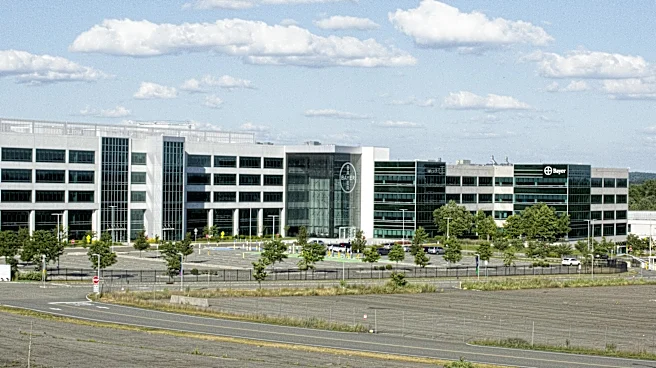
Bayer has been ordered to pay $7.25 billion to settle claims that its Roundup weedkiller causes non-Hodgkin lymphoma, a form of blood cancer. Missouri judge Timothy Boyer approved the settlement on November 20, deeming it "fair, reasonable and adequate."
This settlement will compensate both current Roundup users suffering from non-Hodgkin lymphoma and those who may develop the illness in the future. Bayer will make annual payments into a fund over the next 21 years to cover the settlement amount. Individual payouts will range from $10,000 to $165,000, with the exact amount depending on the severity of the cancer, diagnosis date, and frequency of Roundup use. Christopher Seeger, an attorney for the plaintiffs, stated that this approval ensures guaranteed compensation for victims who have awaited justice for over a decade. Bayer CEO Bill Anderson also described the settlement as a "decisive milestone" in the company's strategy to mitigate risks from ongoing and future Roundup litigation. This agreement largely concludes a multi-year legal battle in the U.S. for Bayer, which has previously paid $10 billion to resolve over 100,000 Roundup-related cases.
Why It's Important?
This significant settlement underscores the substantial legal and financial risks faced by corporations whose products are alleged to cause serious health issues. For Bayer, the resolution of these lawsuits, particularly the remaining and future claims, is crucial for stabilizing its financial outlook and reducing legal uncertainties that have plagued the company since its acquisition of Monsanto in 2018. The payouts, ranging up to $165,000 per individual, provide much-needed financial relief and a measure of justice for those diagnosed with non-Hodgkin lymphoma after using Roundup. The case also highlights the ongoing debate and differing scientific opinions regarding glyphosate, Roundup's active ingredient. While the International Agency for Research on Cancer classified glyphosate as a probable human carcinogen in 2015, both Bayer and the Environmental Protection Agency have disputed these findings. This legal outcome could influence future product liability litigation and regulatory scrutiny of agricultural chemicals, potentially leading to increased demands for clearer labeling or product reformulation across the industry. The settlement also sets a precedent for how large-scale mass tort claims involving alleged carcinogens are resolved in the U.S. legal system.
What's Next?
Bayer will proceed with making annual payments into the settlement fund over the next 21 years, ensuring compensation for eligible individuals. The company anticipates that the number of claimants opting out of the settlement will be manageable, representing a very low percentage of current and potential future claims, and has stated it is adequately provisioned to manage any remaining litigation. While this settlement largely concludes the U.S. legal battles for Bayer regarding Roundup, the broader implications for the agricultural chemical industry may continue to unfold. Regulatory bodies might face renewed pressure to re-evaluate the safety classifications of glyphosate and similar herbicides, potentially leading to stricter regulations or labeling requirements. Furthermore, this resolution could encourage other individuals who believe they have been harmed by Roundup to come forward, although the current settlement aims to cover future claims. The company will likely focus on rebuilding its public image and continuing its efforts to mitigate future legal exposures related to its product portfolio.
Beyond the Headlines
The Roundup litigation extends beyond financial compensation, touching upon deeper ethical and public health considerations. The differing scientific conclusions between the International Agency for Research on Cancer and the EPA regarding glyphosate's carcinogenicity highlight the complexities and controversies in assessing chemical safety. This divergence can erode public trust in regulatory bodies and scientific consensus, leading to increased skepticism about product safety claims. The case also brings to light the challenges of corporate responsibility when acquiring companies with existing product liabilities, as Bayer inherited thousands of lawsuits after purchasing Monsanto. This situation could prompt more rigorous due diligence in mergers and acquisitions within industries dealing with potentially hazardous products. Moreover, the long-term health impacts of widely used agricultural chemicals remain a significant public health concern, potentially driving consumer demand for organic products and alternative farming practices. The legal battles surrounding Roundup may also influence future legislative efforts to reform tort law and product liability standards in the United States, particularly concerning chemicals with disputed health effects.