


What's Happening?
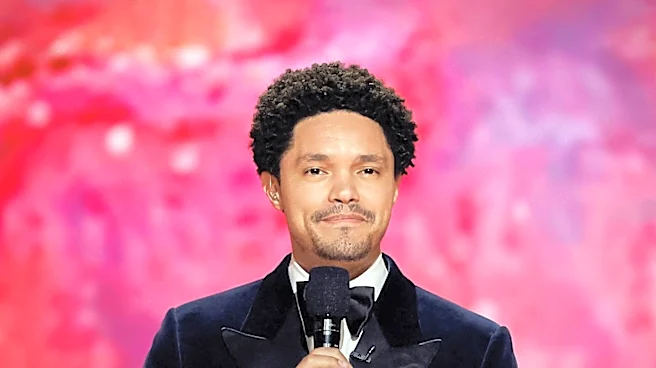
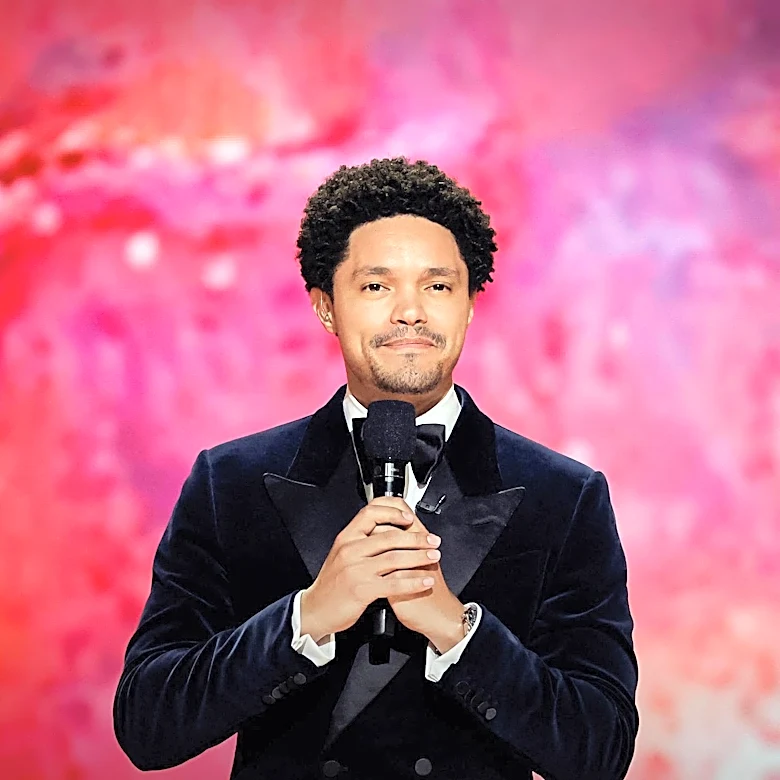
During an interview with Trevor Noah, John Cena discussed the evolution of professional wrestling, highlighting the crucial role of audience participation. Cena noted that in the early days, wrestling was often presented as legitimate combat, requiring
performers to maintain their in-character personas extensively due to demanding schedules. He explained that the shift in the mid-1990s, where wrestling openly acknowledged itself as entertainment rather than a pure sport, was a significant and positive development. This honesty, according to Cena, allowed the industry to rebrand and cater to its audience more effectively. He stressed that the audience has always been as vital as the performers, citing the prevalence of crowd shots and chants in wrestling broadcasts. Cena believes that an engaged and vocal audience elevates the performance beyond mere stunts, preventing it from becoming 'two guys in their underwear doing stunts.' He also touched upon how the product adapts to its audience, referencing the nationalist virtue promoted by Hulk Hogan in the 80s and the rebellious 'Attitude Era' led by Stone Cold Steve Austin.
Why It's Important?
Cena's insights underscore a fundamental aspect of the entertainment industry, particularly live performance: the symbiotic relationship between performer and audience. His comments are important for understanding the business model and creative direction of professional wrestling, which relies heavily on fan engagement for its success. By acknowledging the audience as 'just as important as the performer,' Cena highlights how fan interaction drives narrative, character development, and overall showmanship. This perspective can influence how wrestling promotions, and indeed other live entertainment forms, strategize their content and audience outreach. For the U.S. entertainment landscape, this emphasis on audience participation can serve as a case study for other industries looking to foster deeper connections with their consumer base, demonstrating that transparency about the entertainment aspect can lead to greater authenticity and sustained interest. The evolution from presenting wrestling as 'real' to embracing its entertainment value reflects a broader trend in media consumption, where audiences appreciate authenticity and a shared experience.
What's Next?
The continued emphasis on audience engagement by prominent figures like John Cena suggests that professional wrestling will likely further integrate fan interaction into its programming and marketing strategies. This could manifest in more interactive live events, increased social media engagement, and storylines that directly incorporate fan reactions. For the WWE, this philosophy could guide future talent development, focusing not just on in-ring ability but also on performers' capacity to connect with and energize a crowd. The industry may also explore new ways to quantify and leverage audience participation, potentially influencing revenue streams through merchandise, pay-per-view buys, and streaming subscriptions. As Cena himself is involved in creating the 'John Cena Classic,' an event designed to promote young talent while he remains involved, it indicates a future where veteran figures continue to shape the industry's direction by fostering new talent and maintaining audience connection.
Beyond the Headlines
Beyond the immediate implications for wrestling, Cena's reflections touch upon broader cultural shifts in how entertainment is consumed and perceived. The transition from presenting wrestling as 'real' to openly embracing its theatrical nature mirrors a societal trend towards greater transparency and authenticity in media. This evolution challenges traditional notions of performance, where the 'fourth wall' was strictly maintained. In today's digital age, where audiences are more informed and connected, the ability of entertainment to acknowledge its constructed reality while still delivering compelling narratives becomes a powerful tool. This approach can foster a deeper, more sophisticated engagement with the audience, transforming passive viewers into active participants. The success of this model in wrestling could offer valuable lessons for other forms of entertainment, from reality television to interactive gaming, on how to build lasting connections with an audience that values both spectacle and genuine interaction.