






What's Happening?
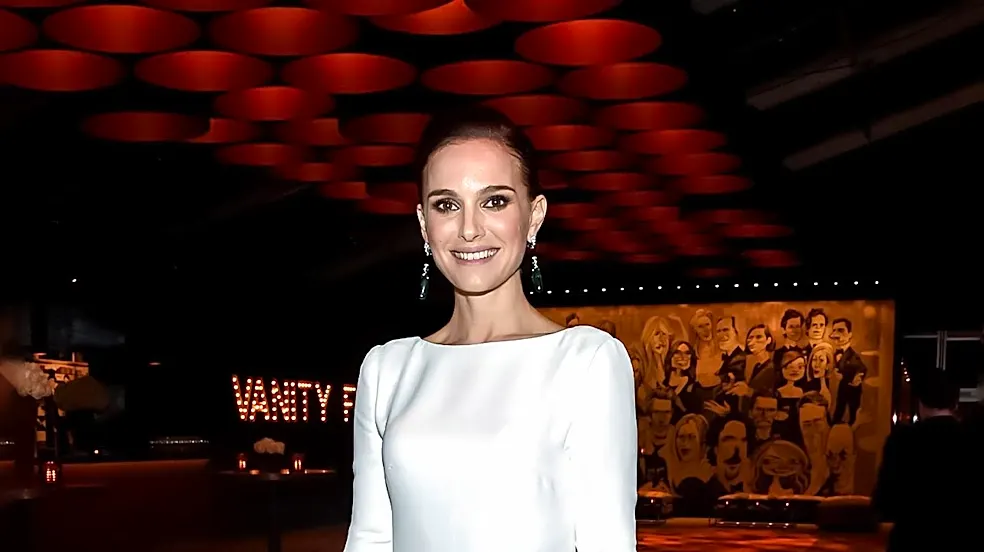
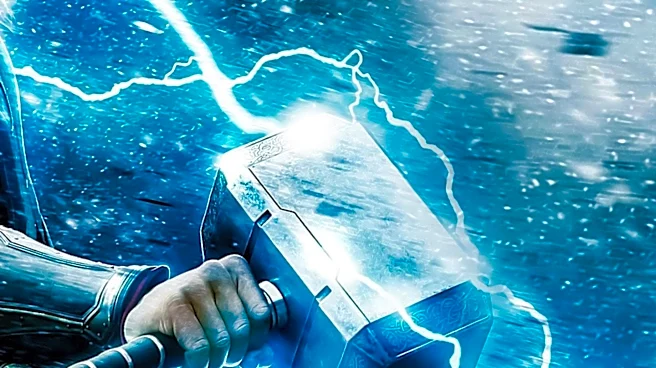
Natalie Portman reprised her role as Jane Foster, who becomes the Mighty Thor, in the 2022 film 'Thor: Love and Thunder'. The movie, directed by Taika Waititi, features Thor confronting Gorr the God Butcher, an alien seeking to eliminate all deities after
the death of his daughter. Jane Foster's character in the film is battling terminal cancer, and her transformation into the Mighty Thor is linked to her illness. The narrative culminates with Gorr, initially driven by vengeance, choosing to resurrect his daughter, Love, instead of eradicating the remaining gods, influenced by Thor's decision to prioritize his time with a dying Jane. This thematic choice, focusing on love over hatred, is presented as a core message of the film, despite criticisms regarding its comedic tone and adaptation of the comic book storyline.
Why It's Important?
The portrayal of Jane Foster's journey as the Mighty Thor, intertwined with her cancer diagnosis, adds a significant layer of emotional depth to the Marvel Cinematic Universe. This storyline explores themes of sacrifice, love, and the human condition, even within a superhero context. Natalie Portman's involvement brings a recognizable and respected actress to a role that tackles serious real-world issues like terminal illness, potentially resonating with a broader audience beyond typical superhero moviegoers. The film's mixed reception, particularly concerning its balance of comedy and drama, highlights ongoing discussions within the entertainment industry about how to evolve established franchises while maintaining thematic integrity and audience engagement. It also underscores the challenges of adapting beloved comic book narratives for the big screen, where creative interpretations can lead to varied critical and fan responses.
What's Next?
While 'Thor: Love and Thunder' has been released, the future implications for Natalie Portman's character, Jane Foster, within the MCU remain a point of speculation. Given the character's arc in the film, including her death and Gorr's decision to resurrect his daughter, Love, the narrative possibilities are open. Future Marvel projects could explore the legacy of Jane Foster's Mighty Thor, potentially through flashbacks or alternative timelines, or introduce new characters inspired by her sacrifice. The film's financial success, despite divided reviews, suggests that the Thor franchise and its characters, including those played by prominent actors like Portman, continue to hold significant commercial value for Disney and Marvel Studios. The ongoing fan discussions about the film's themes and character developments will likely influence future creative decisions within the expansive MCU.
Beyond the Headlines
The narrative choices in 'Thor: Love and Thunder', particularly regarding Jane Foster's cancer storyline and Gorr's ultimate redemption, delve into profound ethical and philosophical questions. The film implicitly asks about the nature of vengeance versus love, and how personal tragedy can shape one's moral compass. By presenting a villain who ultimately chooses compassion, the movie challenges conventional superhero tropes where antagonists are purely evil. Furthermore, the depiction of a superhero battling a real-world illness like cancer adds a layer of vulnerability and relatability to the fantastical genre, potentially fostering greater empathy among viewers. This approach reflects a broader trend in modern storytelling to infuse complex human experiences into larger-than-life narratives, prompting audiences to consider deeper meanings beyond the spectacle of action and special effects.