






What's Happening?
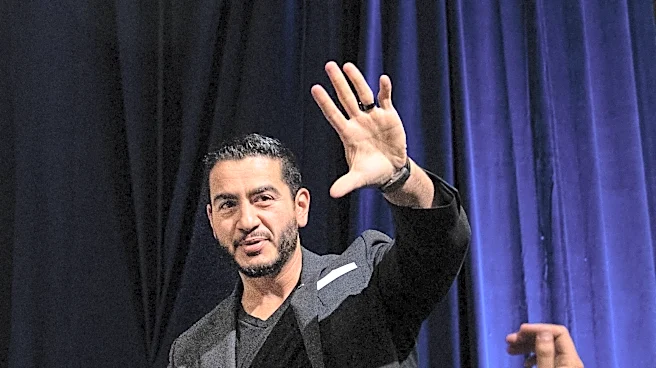
Avi Issacharoff, co-creator of the Israeli series “Fauda,” has strongly criticized Hollywood actor Mark Ruffalo for his repeated claims that Israel is committing “genocide” in Gaza. During a panel discussion in London, Issacharoff stated that Ruffalo is a “rare
combination” of “ignorant” and “stupid” for his interpretation of the conflict. Issacharoff questioned Ruffalo’s understanding of the term “genocide,” pointing out that Israel allows 600 trucks of food and supplies into Gaza daily and that more people have been born in Gaza during the war than have died. He asserted that Hamas, not Israel, is attempting to commit genocide. This criticism comes as Ruffalo faces renewed controversy for connecting his views on Israel and the Gaza war to the proposed $111 billion acquisition of Warner Bros. Discovery by Paramount Skydance. Ruffalo accused a Jewish member of Paramount’s board of “reveling” in “genocide,” leading Paramount to accuse him of invoking antisemitic imagery.
Why It's Important?
This public dispute highlights the deep divisions and strong emotions surrounding the Israel-Hamas conflict, particularly within the entertainment industry and public discourse. Issacharoff’s direct and harsh criticism of Ruffalo underscores the frustration felt by some who believe that certain public figures misrepresent the complexities of the conflict. Ruffalo’s comments, especially those linking the conflict to a corporate business deal and accusing a board member of “reveling” in genocide, have escalated the controversy, drawing accusations of antisemitism from Paramount. This incident reflects the broader challenge of navigating sensitive geopolitical issues in public forums, where celebrity opinions can significantly influence public perception. It also brings to the forefront the debate over freedom of speech versus the potential for harmful or misleading rhetoric, particularly when it involves accusations of grave international crimes like genocide.
What's Next?
The controversy surrounding Mark Ruffalo’s statements and Avi Issacharoff’s strong rebuttal is likely to continue generating discussion within entertainment circles and among the public. Ruffalo has defended his stance, stating that criticism of Israeli Prime Minister’s actions or business deals is not antisemitic. Over 170 Jewish entertainment figures have signed a letter supporting Ruffalo, denouncing what they call a smear campaign against him. This indicates a continued polarization of views within Hollywood. The ongoing debate may influence how public figures engage with geopolitical issues, potentially leading to more cautious or more vocal stances depending on individual convictions and industry pressures. The proposed Paramount-Warner Bros. Discovery deal, which Ruffalo has opposed, may also continue to be a platform for these discussions, further intertwining business and political commentary.
Beyond the Headlines
This incident delves into the complex interplay between celebrity influence, geopolitical commentary, and accusations of antisemitism. It raises questions about the responsibility of public figures when addressing highly sensitive international conflicts and the potential impact of their words on public opinion and inter-community relations. The debate also highlights the differing interpretations of terms like “genocide” and “apartheid” in the context of the Israeli-Palestinian conflict, and how these terms can be weaponized or misapplied in public discourse. The strong reactions from both sides—Issacharoff’s condemnation and the support for Ruffalo from other Jewish figures—underscore the deep ideological divides and the difficulty of achieving nuanced discussion on this topic. This situation reflects a broader societal challenge in distinguishing legitimate criticism from harmful rhetoric, especially when historical and cultural sensitivities are involved.