







What's Happening?
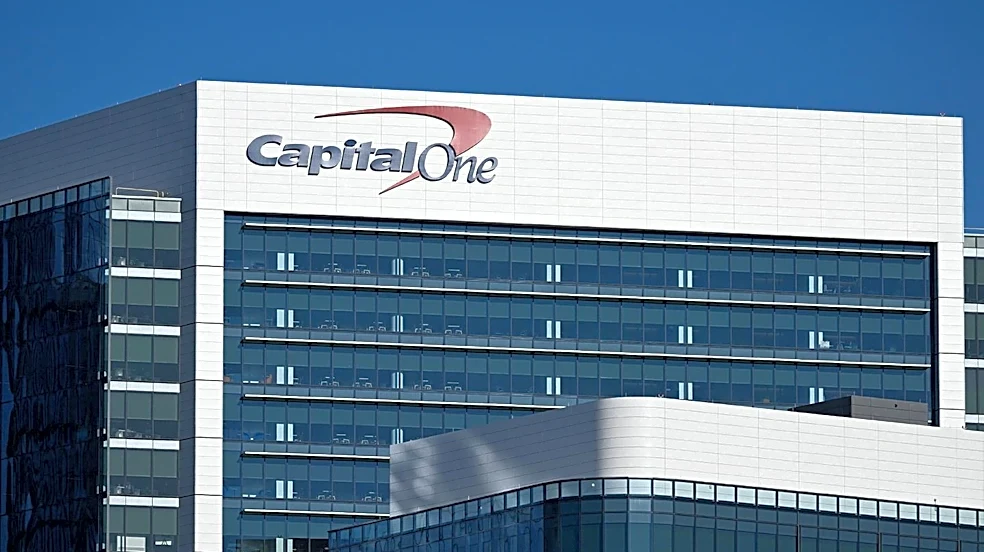
A Capital One bank branch on the Upper East Side of Manhattan was vandalized with a brick and spray-painted graffiti. The incident occurred around 7:50 a.m. on a Monday at 247 East 86th Street. The front window of the bank was smashed, and red spray-paint graffiti bearing
the words "Pal Action" and "Drop Elbit" was found on the facade. The NYPD Hate Crimes Task Force has launched an investigation into the incident. Palestine Action, an activist group that protests Israel-linked defense companies, including Elbit, has claimed responsibility for the vandalism. The group stated that Capital One has provided over half a billion dollars in loans to Elbit Systems for Israel's weapons, and they will not allow companies involved in what they describe as the 'genocide of the Palestinian people' to operate without consequence. No injuries were reported, and as of the latest update, no arrests have been made. Police are currently reviewing surveillance video from the area.
Why It's Important?
This act of vandalism against a Capital One branch highlights the increasing intersection of geopolitical conflicts and domestic activism, particularly concerning corporate ties to international defense industries. The targeting of a major U.S. financial institution like Capital One, a Fortune 500 company and one of the nation's top 10 banks, underscores the potential for such activism to disrupt business operations and raise security concerns for financial sector entities. The involvement of the NYPD Hate Crimes Task Force indicates the serious nature with which authorities are treating the incident, especially given the potential for bias-motivated crime. This event could prompt U.S. businesses with international dealings, particularly those in the financial and defense sectors, to re-evaluate their security protocols and public relations strategies in response to heightened activist scrutiny. It also brings to the forefront the debate around corporate responsibility and ethical investment practices, as activists increasingly pressure companies to divest from entities involved in controversial international affairs. The incident could also fuel broader discussions about freedom of speech versus property damage in the context of protest.
What's Next?
The NYPD Hate Crimes Task Force will continue its investigation, focusing on identifying and apprehending the individuals responsible for the vandalism. This will likely involve a thorough review of surveillance footage from the area and potentially interviewing witnesses. Capital One will need to assess the damage and implement repairs, while also potentially enhancing security measures at its branches, particularly those in high-profile urban areas. The incident may lead to increased vigilance from law enforcement regarding similar acts of protest targeting businesses with perceived ties to international conflicts. Activist groups like Palestine Action may continue to target other financial institutions or companies with alleged connections to the Israeli defense industry, potentially escalating their tactics. This could prompt a broader response from the financial sector, including internal reviews of investment portfolios and public statements addressing their corporate social responsibility policies. The incident could also spark further public discourse and potentially legislative action regarding the balance between protest rights and property protection.
Beyond the Headlines
The vandalism of the Capital One branch transcends a simple act of property damage, touching upon deeper ethical and legal dimensions. It underscores the growing trend of 'economic activism,' where financial institutions become targets due to their perceived role in supporting controversial international activities. This approach aims to exert pressure not just on the immediate target, but also on the broader financial ecosystem to reconsider its investment and lending practices. The incident also highlights the complex interplay between global conflicts and local expressions of dissent, raising questions about the extent to which U.S. companies should be held accountable for the actions of their international partners or clients. Furthermore, the involvement of a hate crimes task force points to the sensitive nature of such protests, particularly when they involve issues with religious or ethnic undertones, and the challenge of distinguishing between political protest and bias-motivated crime. This event could contribute to a re-evaluation of corporate security strategies, not just against traditional criminal threats, but also against ideologically driven direct action, potentially leading to new legal precedents or policy discussions regarding corporate vulnerability in an increasingly interconnected and politically charged world.