
What's Happening?
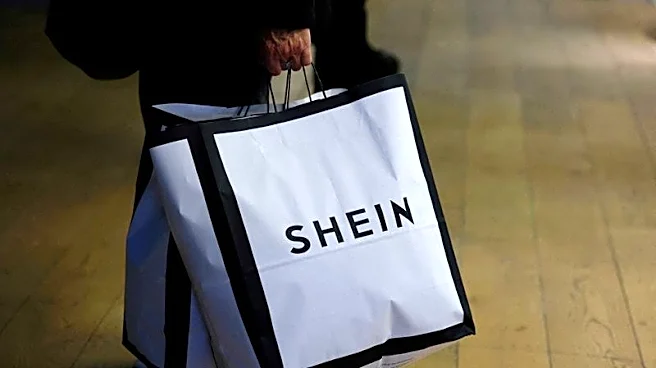
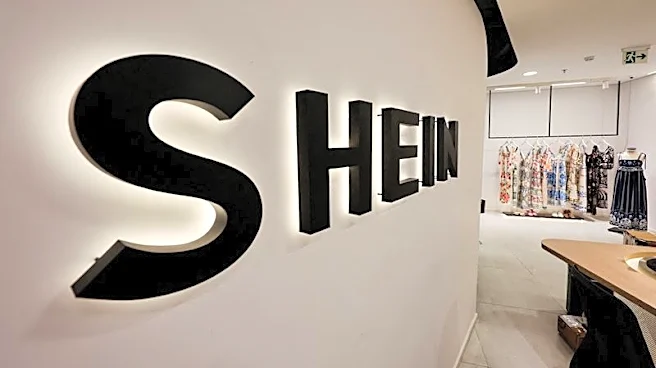
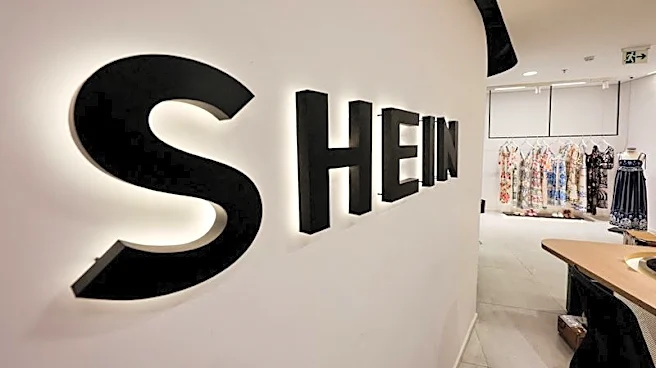
Le Slip Français, a French textile company, is positioning itself as a competitor to fast fashion giant Shein by emphasizing its 'Made in France' products. The company, led by Guillaume Gibault, has been advocating for local manufacturing, which they
argue results in higher quality products and supports the French economy. Despite the challenges of higher labor costs in France compared to countries like Portugal, Le Slip Français has managed to reduce prices by increasing automation and production volume. The company has also recently gone public, allowing customers to invest in its mission. Gibault and his team believe that their focus on quality and local production will differentiate them from Shein, which has faced criticism for its manufacturing practices.
Why It's Important?
The rise of companies like Le Slip Français highlights a growing trend towards local manufacturing and sustainable practices in the fashion industry. This shift is significant as it challenges the dominance of fast fashion brands like Shein, which have been criticized for their environmental impact and labor practices. By promoting 'Made in France' products, Le Slip Français is not only supporting local jobs but also contributing to the national economy. This approach could inspire other companies to adopt similar strategies, potentially leading to a broader movement towards sustainable and ethical fashion. Additionally, the company's public offering allows consumers to directly support and invest in these values, potentially influencing market trends.
What's Next?
Le Slip Français plans to expand its product line to include more types of clothing, such as jeans and jackets, while maintaining its commitment to local production. The company aims to continue reducing costs through automation and increased production volume. As geopolitical tensions and import challenges persist, the demand for locally produced goods may increase, providing further opportunities for growth. The company's success could encourage other French and European brands to adopt similar strategies, potentially reshaping the fashion industry landscape. Additionally, the French government may consider policies to support local manufacturing, further boosting the sector.