







What's Happening?
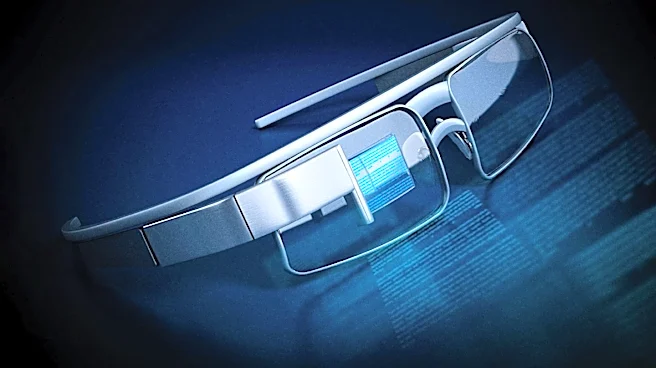
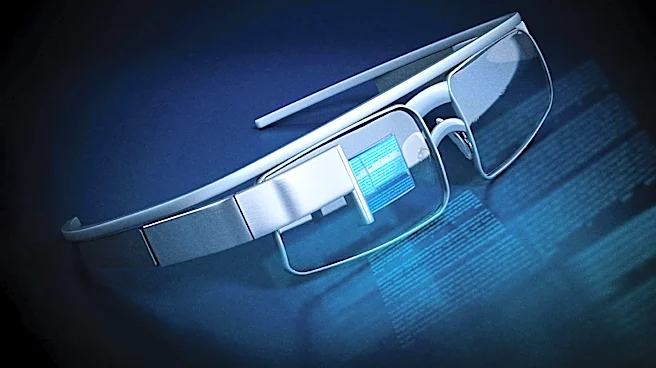
Rokid has introduced two new wearable devices: the Rokid Glasses 2 and the Rokid Color, at its Rokid Jungle event. The Glasses 2 is a hardware refresh of its AI glasses, featuring a 12MP/4K camera, Dolby Audio support, and a new Snapdragon AR1+/BES2800BP
dual-chip platform. It retains the single green microLED waveguide display from the original line. In contrast, the Rokid Color is an entirely new full-color line, boasting a custom 0.16cc full-color microLED optical engine with 100% sRGB coverage, packed into a lightweight 55-gram frame. The Glasses 2 is positioned for quick AI prompts, translation, and video capture, while the Rokid Color is designed for richer visual experiences, directly competing with Meta's display glasses.
Why It's Important?
The launch of Rokid Glasses 2 and Rokid Color signifies a significant advancement in the wearable technology market, particularly in the augmented reality (AR) and artificial intelligence (AI) glasses segments. The Glasses 2's enhanced camera and audio capabilities make it a more robust tool for professional and practical applications, such as live translation and meeting transcription. The Rokid Color, with its full-color display and lightweight design, aims to broaden the appeal of AR glasses for everyday consumers, potentially accelerating the adoption of this technology. This dual-product strategy allows Rokid to cater to both enterprise and consumer markets, intensifying competition with major players like Meta and pushing the boundaries of what AR wearables can achieve.
What's Next?
Chinese preorders for Rokid Glasses 2 opened on October 27, with shipping scheduled for November 11, 2026. Pricing starts at approximately $555 for the black model. Rokid Color is slated for an April 2027 shipping window in China, contingent on the completion of its ecosystem. Both products are expected to debut global versions at CES 2027, though international release dates and pricing are yet to be announced. Rokid is also expanding software support for Glasses 2, adding compatibility with desktop AI agents like Codex, OpenClaw, Hermes, Alibaba's Qoder, and Tencent's WorkBuddy, alongside existing support for Gemini, ChatGPT, Qwen, and DeepSeek. The company's focus on ecosystem breadth suggests continued development in AI integration and application diversity.
Beyond the Headlines
The introduction of these new AR glasses highlights a broader trend towards integrating AI and advanced display technologies into everyday wearables. The distinction between the monochrome Glasses 2 and the full-color Rokid Color reflects the evolving understanding of user needs in the AR space—one for functional, text-based interactions and the other for immersive, visual content. This development could lead to a paradigm shift in how individuals interact with digital information and their physical environment, moving beyond smartphones to more seamless, hands-free interfaces. Ethical considerations regarding privacy, data collection through integrated cameras, and the potential for digital distraction will become increasingly pertinent as these technologies become more widespread. The competition in this nascent market also suggests rapid innovation and potential for disruptive changes in various industries, from communication to entertainment and professional tools.