


What's Happening?
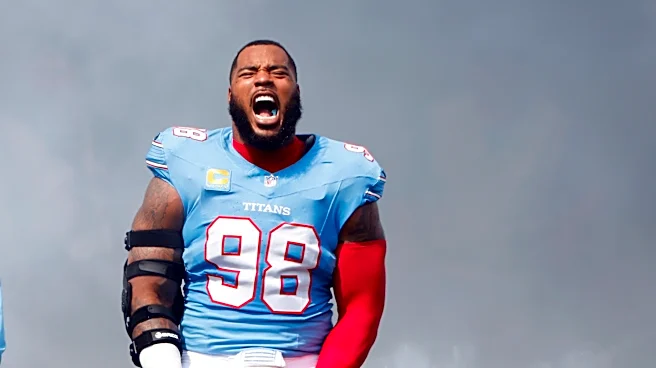
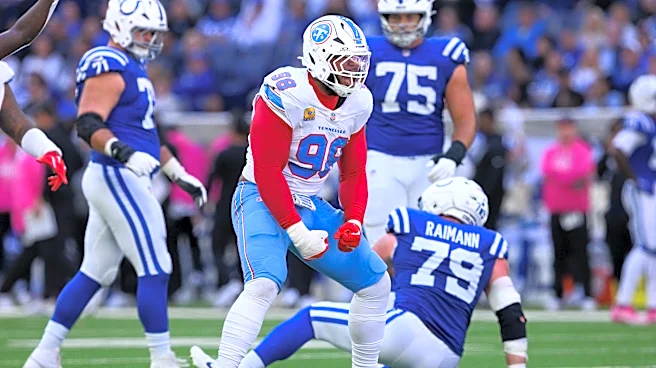
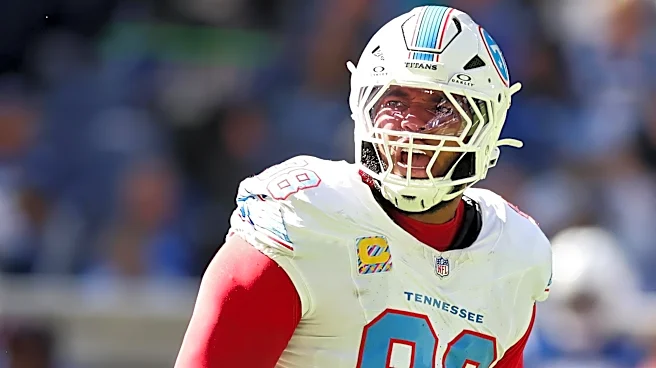
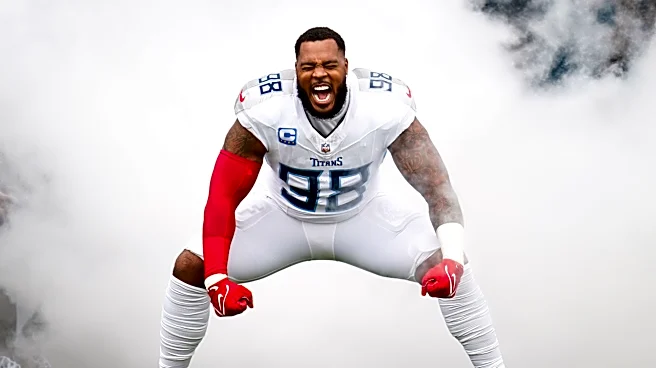
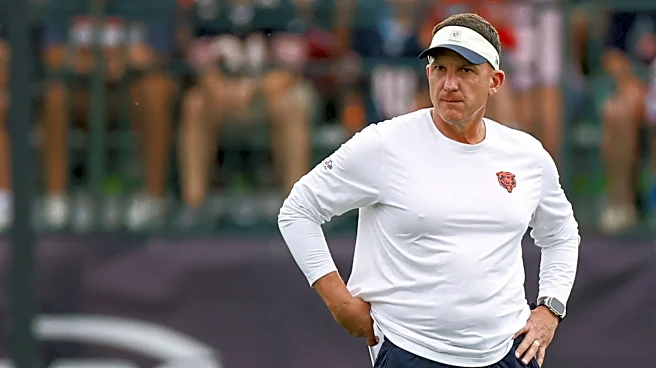
Chicago Bears General Manager Ryan Poles has elaborated on the team's decision to trade for All-Pro defensive tackle Jeffery Simmons, a move that involved sending two first-round picks (2027 and 2028) and a fourth-round pick in 2028 to the Tennessee Titans,
in exchange for Simmons and a 2028 fifth-rounder. Poles emphasized that such a significant acquisition requires a combination of an impact player on the field and an individual who can enhance the team's culture. He highlighted the alignment he shares with President and CEO Kevin Warren and Chairman George McCaskey as crucial to making this trade. Simmons, a five-year captain for the Titans and a three-time Walter Payton Man of the Year club winner, is expected to significantly boost the Bears' defense and provide a clearer picture for defensive end Montez Sweat's future with the team. Poles also noted that the team had been considering acquiring Simmons for two years, drawn by his consistent performance and leadership qualities.
Why It's Important?
This trade represents a substantial investment by the Chicago Bears, signaling an 'all-in' approach to competing for a championship. Giving up multiple high draft picks in future years indicates a strong belief in the immediate impact Simmons will have and a confidence in the team's current talent evaluation and development programs. The acquisition of a player of Simmons' caliber is expected to transform the Bears' defense, providing a dominant interior presence that can disrupt opposing offenses and create opportunities for other defensive players, such as Montez Sweat. This move also reflects a strategic decision to prioritize proven talent over future draft capital, a common approach for teams in a perceived championship window. The emphasis on 'alignment' within the front office and the importance of a player's cultural fit underscores a holistic approach to team building, aiming for sustained success beyond just on-field performance. The financial aspect, with Simmons' bonus money already paid by the Titans, provides the Bears with long-term control over his contract through 2030.
What's Next?
With Jeffery Simmons joining the Chicago Bears, the immediate focus will be on integrating him into the defensive scheme and maximizing his impact on the field. Defensive coordinator Dennis Allen is expected to leverage Simmons' versatility to create more dynamic and disruptive defensive game plans. The presence of Simmons is also anticipated to elevate the performance of other defensive linemen, particularly Montez Sweat, by drawing attention and creating one-on-one opportunities. The team's 'all-in' philosophy suggests that further strategic moves, whether through free agency or future drafts, will continue to prioritize immediate competitiveness while also planning for long-term sustainability. The success of this trade will be closely watched as it will influence future team-building decisions and potentially set a precedent for how the Bears approach player acquisitions. The team's ability to develop talent from later rounds and post-draft acquisitions will become even more critical given the reduced draft capital in the coming years.
Beyond the Headlines
The trade for Jeffery Simmons highlights a broader trend in the NFL where teams are increasingly willing to sacrifice future draft capital for established, elite talent, especially when they believe they are close to contention. This strategy, while potentially accelerating a team's competitive window, also carries inherent risks, as it reduces opportunities to acquire young, cost-controlled talent through the draft. The emphasis on a player's cultural fit, as articulated by Ryan Poles, reflects the growing understanding that team chemistry and leadership are as crucial as individual skill in achieving sustained success. Simmons' history as a captain and a Walter Payton Man of the Year club winner suggests he brings more than just on-field prowess. This move could also influence the market for other elite defensive linemen, potentially driving up trade values and contract demands. The long-term success of this trade will serve as a case study for the effectiveness of aggressive team-building strategies in a salary-cap constrained league.