





What's Happening?
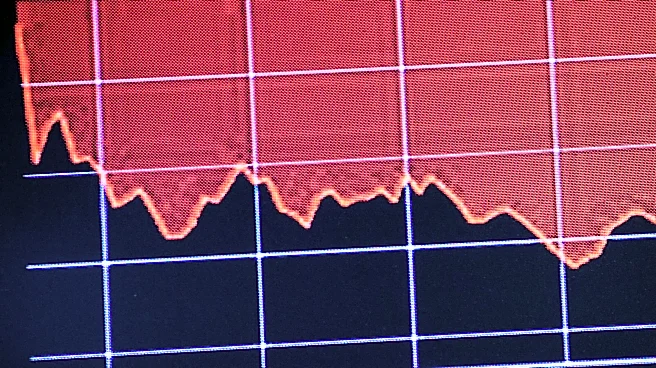
The average 30-year fixed mortgage rate in the U.S. has dropped to 7.11%, marking the fourth consecutive weekly decline. This figure, reported by Freddie Mac's Primary Mortgage Market Survey on Thursday, November 12, is down from 7.18% the previous week and
a mid-October high of 7.40%. The 15-year fixed rate also saw a decrease, falling to 6.45% from 6.57%. This 29-basis-point decline from mid-October represents a significant reduction in potential monthly payments for homebuyers. For a $400,000 30-year loan, the current rate translates to approximately $2,691 per month, saving about $79 monthly compared to the mid-October rate. However, refinance rates are not following the same trend, with Zillow reporting a national average 30-year fixed refinance rate of 7.60%, an increase from the prior week.
Why It's Important?
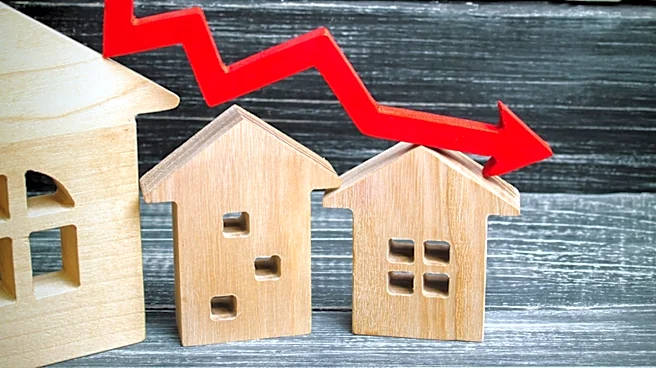
This sustained drop in 30-year fixed mortgage rates offers a welcome reprieve for prospective homebuyers in the U.S., potentially making homeownership more accessible or affordable for those on the cusp of purchasing. The reduction in monthly payments can free up household budgets, stimulating demand in the housing market. However, the divergence between purchase and refinance rates highlights a complex market. While buyers benefit from lower rates, homeowners looking to refinance may face higher costs, limiting their ability to reduce existing mortgage burdens. This disparity could lead to varied impacts across different segments of the real estate market, influencing both new home sales and the financial strategies of current homeowners. The market's volatility also presents a dilemma for buyers on whether to lock in current rates or wait for further potential declines.
What's Next?
Homebuyers currently under contract or close to making an offer may consider locking in their mortgage rates to secure the current lower figures, especially if the payment fits their budget and they are closing within 30 to 60 days. The decision to lock in or float (wait for further rate changes) depends on individual risk tolerance and closing timelines. While a fifth consecutive drop is possible, it is not guaranteed, and rates could rebound. Lenders are advising borrowers to compare 30-, 45-, and 60-day lock options and inquire about float-down provisions, which allow for a rate adjustment if market rates fall significantly after locking. Those still shopping for a home or with longer closing periods might choose to float, but with a clear strategy for when to lock. Refinancers, facing rising rates, will need to carefully evaluate their options.
Beyond the Headlines
The current trend of declining purchase mortgage rates, while beneficial for buyers, underscores the broader economic forces at play, including inflation expectations and Federal Reserve policies. The differing trajectories of purchase and refinance rates suggest a nuanced market where lenders are pricing risk differently based on loan type and market conditions. This situation could lead to a two-tiered housing market, where new purchases are encouraged by lower rates, but existing homeowners are less incentivized to refinance, potentially slowing down housing inventory turnover. The psychological impact on consumers is also significant; a streak of rate drops can create a sense of urgency or, conversely, a temptation to wait for even lower rates, influencing critical financial decisions in a volatile environment. This dynamic highlights the importance of personalized financial advice and careful market monitoring for all stakeholders.