




What's Happening?
McDonald's President and CEO Chris Kempczinski announced plans to introduce new economic menus in the United States starting in early 2027. This decision comes after a challenging third quarter in 2026, where the company experienced a 0.2% decline in U.S.
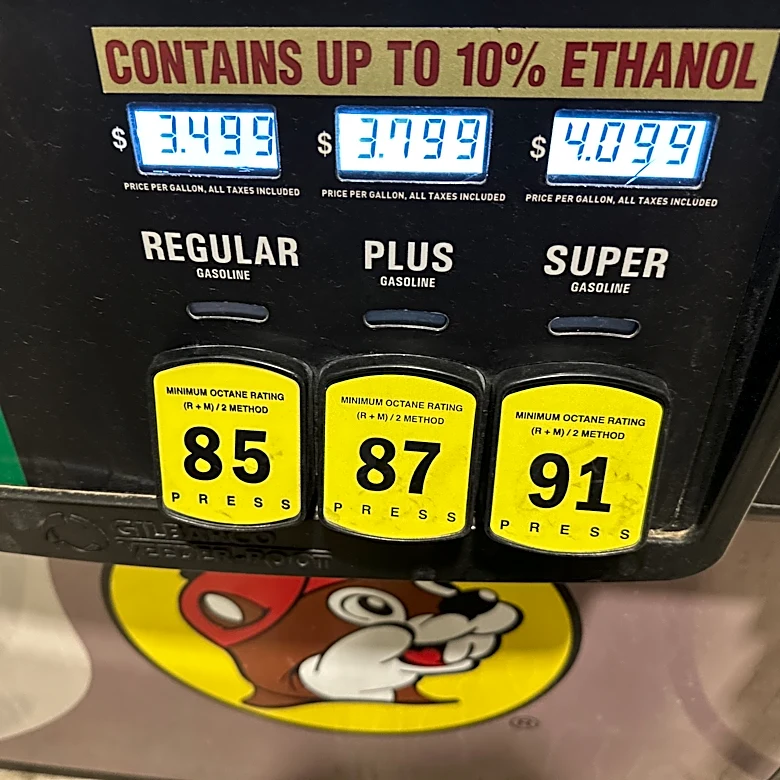
comparable sales, marking its first setback since early 2025. The company is currently testing customizable, fixed-price meal packages in approximately 1,900 U.S. locations for an eight-week period. An example of a potential offering is a McChicken sandwich and small fries for $3.50. Additionally, around 4,000 franchisees have independently launched their own value meal initiatives without waiting for the official test results. These efforts are aimed at attracting low-income consumers who have been visiting fast-food restaurants less frequently due to rising living costs and high gasoline prices. According to Revenue Management Solutions, overall customer traffic in the U.S. fast-food market fell by 2.6% in the third quarter of 2026.
Why It's Important?
This strategic shift by McDonald's highlights the increasing pressure on the U.S. fast-food industry to adapt to changing consumer spending habits, particularly among lower-income demographics. The decline in customer traffic indicates that even established brands like McDonald's are not immune to economic headwinds affecting household budgets. By focusing on value-oriented menus, McDonald's aims to regain market share and appeal to a broader customer base that is becoming more price-sensitive. The success of these new economic offerings could set a precedent for other fast-food chains facing similar challenges, potentially leading to a broader industry trend of increased focus on affordability. This move also underscores the importance of franchisee participation, as a significant portion of McDonald's U.S. restaurants are independently operated, and their buy-in is crucial for the widespread implementation and success of any new national program.
What's Next?
McDonald's plans to evaluate the results of its eight-week trial of new economic menus before a potential national rollout in early 2027. The company will assess customer preferences for mix-and-match versus fixed-price bundles and determine which offerings can be consistently provided across its vast network of U.S. restaurants. The independent initiatives by approximately 4,000 franchisees will also provide valuable insights into effective value propositions. The company's ability to successfully implement a compelling and consistent value program nationwide will be critical for its performance in the coming year. Competitors like Taco Bell, which already offers a menu with multiple items priced at $3 or less, will likely continue to innovate their own value offerings, intensifying the competition for price-sensitive consumers. McDonald's will need to ensure that its new strategy effectively addresses both consumer demand for affordability and franchisee profitability.
Beyond the Headlines
The move by McDonald's to re-emphasize value reflects a broader economic trend where inflation and cost-of-living increases are significantly impacting consumer discretionary spending. This situation could lead to a long-term shift in consumer expectations for affordability in the fast-food sector, potentially altering pricing strategies across the industry. The challenge for McDonald's and other chains will be to offer compelling value without compromising perceived quality or brand image. This could also spark innovation in supply chain management and operational efficiency as companies seek to reduce costs to support lower price points. Furthermore, the varying adoption rates of previous value initiatives by franchisees highlight the complex dynamics between corporate strategy and independent ownership, suggesting that successful implementation requires careful alignment and incentives for all stakeholders.