









What's Happening?
Across the United States, homeowners are increasingly replacing traditional lawns with native gardens, utilizing 'Plant-by-Number' kits that simplify the process. These kits, offered by nonprofits, water districts, and local garden organizations, provide
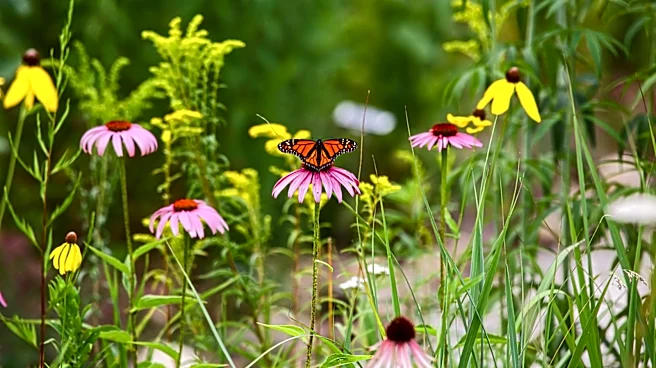
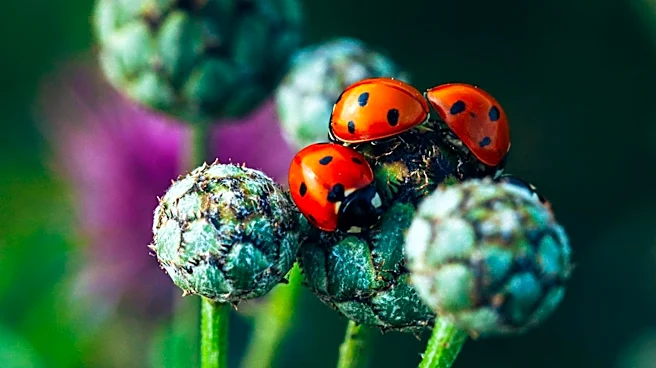
curated collections of native plants designed for specific regions. The shift is driven by rising water costs, hotter summers, and a desire for lower-maintenance yards. Native gardens require less water and support local ecosystems by attracting pollinators and beneficial insects. The trend reflects a growing awareness of environmental sustainability and the benefits of reducing lawn areas in favor of more diverse and resilient landscapes.
Why It's Important?
The movement towards native gardens represents a significant shift in landscaping practices, with implications for water conservation and biodiversity. By reducing reliance on water-intensive lawns, homeowners can contribute to more sustainable water use, particularly in drought-prone areas. Native gardens also enhance local ecosystems by providing habitats for pollinators and other wildlife, supporting biodiversity and ecological balance. This trend aligns with broader environmental goals and could influence urban planning and landscaping policies, encouraging more sustainable and resilient community designs.
What's Next?
As the popularity of native gardens grows, more municipalities and organizations may offer incentives and resources to support homeowners in transitioning away from traditional lawns. Educational programs and workshops could further promote the benefits of native landscaping, encouraging wider adoption. The development of new plant kits and design tools tailored to different climates and conditions may also emerge, making it easier for homeowners to implement eco-friendly landscaping solutions. This shift could lead to broader changes in landscaping norms and practices, promoting environmental stewardship and sustainability.