






What's Happening?
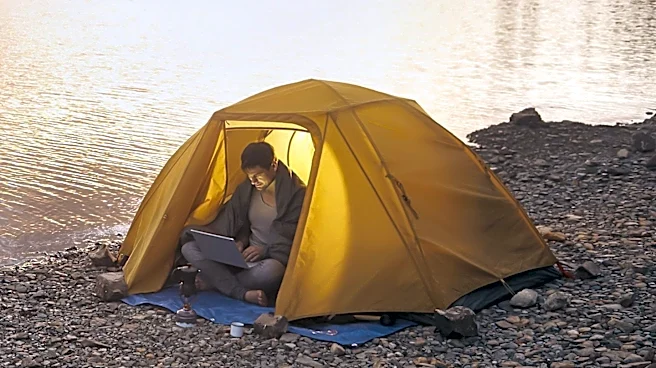
Micro-adventures are emerging as a popular travel trend, offering short, low-cost, and close-to-home outdoor escapes. These brief excursions provide a break from routine without requiring extensive time off or distant travel. Examples include sunrise
drives, nature walks, one-day heritage visits, or weekend trips to nearby towns. The core appeal of micro-adventures lies in their simplicity, flexibility, and ease of integration into daily life, making them accessible for individuals with demanding professional and personal schedules. Unlike traditional long vacations, micro-adventures can be taken more frequently, allowing for multiple smaller experiences throughout the year. This approach is particularly beneficial for families, friends, and couples who may find it challenging to coordinate schedules for extended trips. The concept emphasizes stepping away from the usual routine and experiencing a different environment, even if it's just for a few hours or a single night.
Why It's Important?
The rise of micro-adventures signifies a shift in how individuals approach leisure and travel, particularly in a fast-paced society where long breaks are often difficult to arrange. This trend offers a practical solution for mental and physical rejuvenation, allowing people to de-stress and explore without significant financial or time commitments. For the travel and hospitality industries, this presents an opportunity to cater to a growing market segment seeking local, accessible, and flexible experiences. Businesses can develop tailored offerings such as guided day trips, short-stay accommodations, or curated local itineraries. Furthermore, the emphasis on local exploration can boost regional economies by encouraging spending at nearby attractions, restaurants, and small businesses. This trend also promotes a more sustainable form of tourism by reducing the carbon footprint associated with long-distance travel, aligning with growing environmental consciousness among consumers.
What's Next?
As micro-adventures continue to gain traction, we can expect to see an expansion of related services and products. Local tourism boards and travel companies are likely to develop more structured micro-adventure packages, highlighting hidden gems and accessible natural areas within close proximity to urban centers. Technology platforms may emerge or adapt to facilitate the planning and booking of these short excursions, offering curated itineraries and logistical support. There could also be an increase in demand for gear and equipment suited for short, spontaneous trips, such as compact camping gear or versatile outdoor apparel. Additionally, the concept may influence corporate wellness programs, with companies potentially encouraging or even subsidizing micro-adventures as a way to support employee well-being and prevent burnout. The trend is also likely to inspire more individuals to explore their immediate surroundings, fostering a greater appreciation for local nature and culture.
Beyond the Headlines
The micro-adventure trend reflects a deeper societal shift towards valuing experiences over material possessions and prioritizing mental well-being in the face of increasing work-life demands. It challenges the traditional notion that a 'real' vacation must involve distant travel and extended time off, promoting the idea that meaningful breaks can be found in everyday life and nearby locations. This mindset encourages a more mindful approach to leisure, where the focus is on the quality of the experience and the opportunity to disconnect, rather than the grandeur or duration of the trip. Ethically, it promotes local engagement and potentially reduces the environmental impact of tourism. Culturally, it could lead to a rediscovery and appreciation of local heritage and natural landscapes that might otherwise be overlooked. This trend also highlights the psychological benefits of novelty and change, demonstrating that even small deviations from routine can have a significant positive impact on mood and perspective.