





What's Happening?
As the modern gun deer season begins, many hunters are encouraged to consider national forests and wildlife management areas (WMAs) for their opening weekend hunts. Despite these public lands often being heavily hunted, success is still achievable for skilled
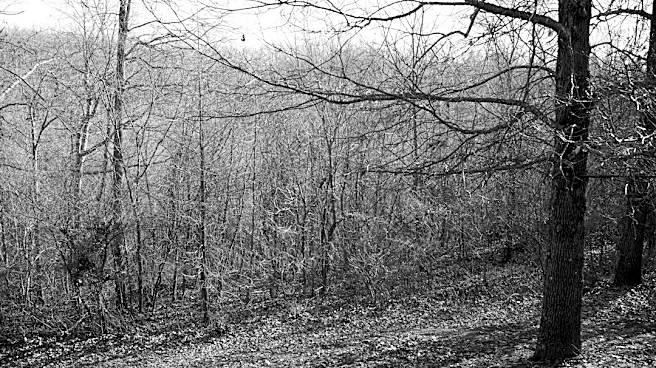
hunters. Arkansas, for instance, offers approximately 3 million acres of national forest land, split between the Ozark and Ouachita national forests. Many smaller WMAs, though frequently overlooked, also harbor deer populations. The article challenges the modern hunting belief that elevated stands are essential for success, noting that many award-winning deer have been taken by hunters on the ground. Ground hunting offers greater mobility, which is a significant advantage on public lands where deer may be more dispersed or wary due to human activity. The importance of scouting, even on the move, is emphasized, with fresh white oak acorns identified as a good indicator of deer presence. Hunters are also advised to understand typical deer and hunter behaviors on public land to increase their chances of success.
Why It's Important?
This guidance is important for the hunting community as it promotes the effective use of readily available public resources for recreational hunting. By encouraging hunters to utilize national forests and WMAs, it helps distribute hunting pressure and potentially reduces overcrowding on private lands. For new or less experienced hunters, understanding that success is possible on public ground without specialized equipment like elevated stands can lower barriers to entry and make hunting more accessible. The emphasis on scouting and understanding deer behavior also promotes more ethical and skilled hunting practices, moving away from reliance on technology or specific gear. This approach can foster a deeper connection between hunters and the natural environment, encouraging a more thoughtful and strategic approach to the sport. Furthermore, maximizing the use of public lands supports the conservation efforts often funded by hunting licenses and fees, ensuring these areas remain viable habitats for wildlife.
What's Next?
Hunters will likely continue to explore and utilize public lands throughout the deer season, applying the strategies outlined, such as ground hunting and on-the-move scouting. Wildlife management agencies may observe trends in public land usage and hunter success rates, which could inform future management decisions regarding public hunting areas. There might be an increased interest in educational programs or workshops focusing on public land hunting techniques, especially for those new to the sport or looking to improve their skills without extensive private land access. The hunting industry might also see a subtle shift in demand for gear, with less emphasis on expensive elevated stands and more on versatile, mobile hunting equipment suitable for ground hunting. Conservation groups and public land advocates may use this information to highlight the importance of maintaining and expanding access to public lands for recreational activities like hunting.
Beyond the Headlines
The discussion around public land hunting touches upon broader themes of access, conservation, and the evolving nature of outdoor recreation. In an era where private land access can be costly or limited, public lands serve as crucial spaces for hunters from diverse socioeconomic backgrounds. This democratizes the hunting experience, ensuring that it remains accessible to a wider segment of the population. Furthermore, promoting ground hunting challenges commercial narratives that often push for more equipment-intensive approaches, potentially fostering a more minimalist and traditional hunting ethos. This could lead to a renewed appreciation for woodcraft and tracking skills over technological advantages. The success stories from public lands also underscore the resilience of wildlife populations in managed areas, highlighting the effectiveness of conservation efforts and the importance of continued funding and support for these habitats. It also subtly critiques the commercialization of hunting, advocating for a return to more fundamental skills and an appreciation for the natural environment.