
What's Happening?
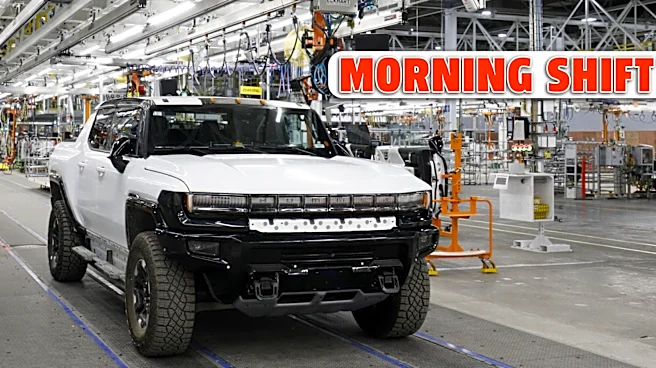
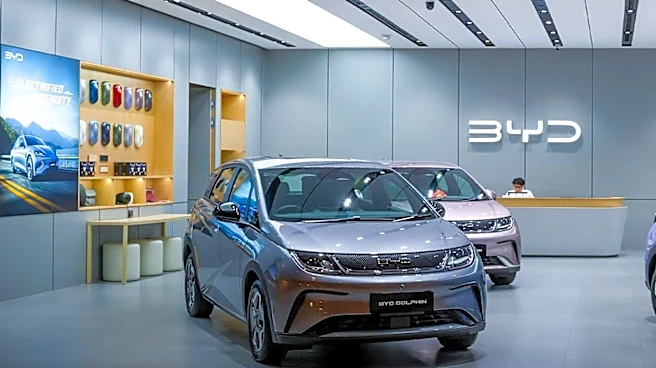
BYD, the Chinese carmaker, has entered into exclusive negotiations with Ineos Automotive to purchase its car manufacturing plant located in Hambach, France. This strategic move is aimed at facilitating
BYD's production of vehicles specifically for the European market. While the proposed acquisition is still subject to consultations with relevant works councils, BYD has expressed its intention to maintain the plant's operational status and support existing local jobs and suppliers. The financial details of the deal have not been disclosed. This potential acquisition represents a significant step in BYD's broader expansion strategy across Europe, which already includes the construction of a passenger car plant in Szeged, Hungary, and the establishment of its European headquarters and an R&D center in Budapest, Hungary, announced in May 2025. BYD also operates a bus factory in Komárom, Hungary. The company has not yet specified which vehicle models it plans to produce at the Hambach facility or when production is expected to commence.
Why It's Important?
This potential acquisition is important as it signifies BYD's aggressive push into the European automotive market, a region traditionally dominated by established European, Japanese, and American manufacturers. By acquiring an existing plant in France, BYD can circumvent some of the complexities and delays associated with building a new facility from the ground up, potentially accelerating its market entry and production capabilities within the European Union. This move could intensify competition in the European electric vehicle (EV) sector, offering consumers more choices and potentially driving down prices. For France, the deal could secure manufacturing jobs and maintain industrial activity in Hambach, aligning with broader European goals of fostering local production and reducing reliance on imports. The investment also reflects BYD's confidence in the French industrial landscape and its long-term commitment to expanding its footprint in Europe, which could have ripple effects on the supply chain and related industries in the region.
What's Next?
The immediate next step involves consultations with the relevant works councils regarding the proposed acquisition. The outcome of these consultations will be crucial in determining the finalization of the deal. Following a successful agreement, BYD will likely outline its specific plans for the Hambach plant, including the types of vehicles to be produced and the timeline for commencing production. This will involve integrating the plant into BYD's existing European manufacturing and supply chain network. Stakeholders, including local government officials, labor unions, and automotive industry competitors, will closely monitor the developments. The acquisition could also prompt other international automakers to re-evaluate their European manufacturing strategies in response to BYD's growing presence. Further announcements regarding financial terms and operational details are expected once the negotiations conclude and regulatory approvals are secured.
Beyond the Headlines
Beyond the immediate business transaction, BYD's acquisition of a French car plant highlights a broader trend of Chinese automotive manufacturers expanding their global production footprint, particularly into key Western markets. This strategy allows them to mitigate potential trade barriers, reduce logistics costs, and better tailor products to local consumer preferences. It also underscores the increasing globalization of the automotive industry and the shifting competitive landscape, where traditional market leaders are facing strong challenges from new entrants, especially in the electric vehicle segment. The move could also spark discussions about industrial policy in Europe, as governments weigh the benefits of foreign investment and job creation against concerns about competition and the long-term strategic implications of foreign ownership in critical manufacturing sectors. This expansion could also influence technological transfer and innovation within the European automotive industry, as BYD brings its expertise in EV technology and battery production.