
What's Happening?
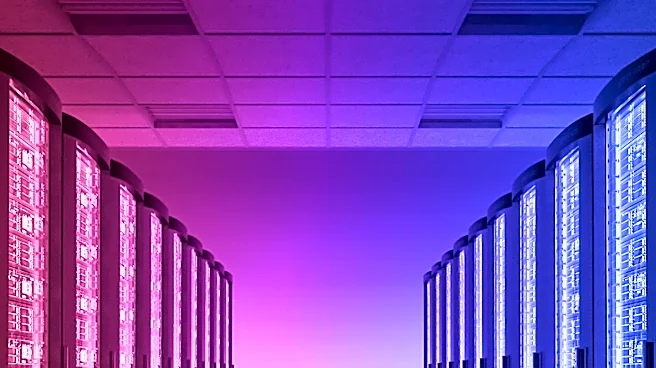
The artificial intelligence (AI) boom is driving an unprecedented global construction surge of data centers, with Malaysia becoming one of Southeast Asia’s most significant hubs for this expansion. These
data centers are essential infrastructure for AI technologies, processing vast amounts of data. However, this rapid growth is generating considerable backlash due to the substantial environmental impact of these facilities. Data centers are known for their enormous consumption of electricity and water, raising concerns among local communities and environmental advocates. Residents in Malaysia have already initiated protests against proposed developments, highlighting the tension between economic growth and environmental sustainability. Governments in the region are now grappling with the challenge of balancing the economic benefits of AI data center investments with the need to address environmental and social concerns, including the creation of long-term jobs for local populations.
Why It's Important?
The rapid expansion of AI data centers in Southeast Asia, particularly in Malaysia, signifies a critical juncture for global technology infrastructure and regional development. While the U.S. is a leader in AI development, the global distribution of data centers impacts its technological ecosystem by providing the necessary computational backbone for international AI operations and data processing. The environmental concerns, specifically the high electricity and water consumption, present a challenge that could influence global standards for sustainable technology development. If these issues are not adequately addressed, they could lead to increased regulatory scrutiny and potentially higher operational costs for U.S. tech companies operating or expanding into these regions. Furthermore, the debate over job creation highlights a broader economic question about the true local benefits of foreign technology investments, which could shape future U.S. foreign policy and investment strategies in developing economies.
What's Next?
Governments in Southeast Asia, including Malaysia, are expected to continue seeking a balance between attracting foreign investment in AI data centers and mitigating their environmental and social impacts. This could lead to the implementation of stricter environmental regulations, incentives for green data center technologies, or policies aimed at ensuring more local job creation. For U.S. technology companies, this means a potential need to adapt to evolving regulatory landscapes and to invest in more sustainable data center designs and operations to maintain their social license to operate in these key markets. Local communities and environmental groups are likely to intensify their advocacy, potentially leading to further protests and public pressure for more responsible development. The long-term trajectory will likely involve a push for innovation in energy-efficient and water-saving data center technologies, driven by both regulatory demands and corporate social responsibility initiatives.
Beyond the Headlines
The AI data center boom in Southeast Asia, while seemingly a regional issue, has profound global implications, including for the U.S. Beyond the immediate environmental and economic concerns, it touches upon the ethical dimensions of technological advancement and global equity. The immense energy demands of AI infrastructure raise questions about the global carbon footprint of the digital age and the responsibility of leading tech nations, including the U.S., to promote sustainable practices worldwide. The debate over local job creation versus automation also highlights a broader societal challenge: how to ensure that technological progress benefits all segments of society, rather than exacerbating existing inequalities. This situation could trigger a re-evaluation of international investment frameworks, pushing for more comprehensive assessments of social and environmental impacts alongside economic returns, potentially influencing U.S. foreign aid and trade policies related to technology transfer and infrastructure development.