





What's Happening?
The Culture and Tourism Services Section of the 2026 China International Fair for Trade in Services (CIFTIS) is scheduled to take place from September 9 to 13 in Halls 7 and 9 of Shougang Park in Beijing. This year's section, themed "Cultural-Tourism
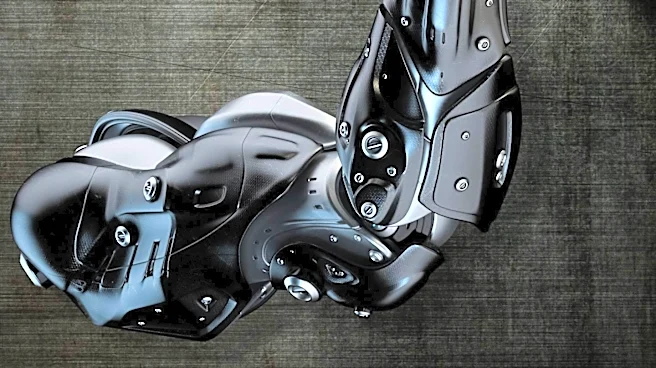
Integration with Digital and Intelligent Empowerment," will bring together 413 exhibitors, including 49 foreign-funded institutions and 84 Fortune Global 500 and industry-leading enterprises. The event will feature 6 global debuts and 19 China premieres, covering the entire industry chain from traditional cultural heritage and museum innovation to digital tourism, film, television, audio-visual content, and global cultural expansion. A significant highlight is the establishment of a special Cultural Tourism Global Expansion Service Zone, designed to facilitate domestic and international cultural tourism matchmaking. This zone will promote projects such as China Arts and Entertainment Group Ltd.'s "Yaji Chuancai," China Tourism Group's "Adora Magic City" cruise ship, and the "Starlight Lancang-Mekong" tourist train, alongside measures to support inbound tourism. Additionally, a new generation AI agent product, focusing on "AI + audio-visual + cultural tourism" integration, will make its global debut, and an AI-powered embodied intelligence robot "shopkeeper" will provide interactive explanations and guided tours for cultural relic trading.
Why It's Important?
This event is important as it showcases Beijing's commitment to leveraging technology, particularly artificial intelligence, to enhance its cultural and tourism sectors. The focus on "Cultural-Tourism Integration with Digital and Intelligent Empowerment" indicates a strategic effort to modernize and expand the reach of China's cultural offerings globally. The introduction of a dedicated Cultural Tourism Global Expansion Service Zone highlights an initiative to foster international collaborations and attract foreign investment in these sectors. For U.S. businesses and cultural institutions, this presents potential opportunities for partnerships, market entry, and cultural exchange, especially in areas like digital tourism, AI-powered experiences, and cultural product development. The emphasis on global debuts and China premieres suggests a dynamic and innovative environment, which could lead to new trends and technologies in the global cultural and tourism landscape. The event also aims to boost inbound tourism, potentially increasing exposure to Chinese culture and creating new avenues for international engagement.
What's Next?
Following the CIFTIS Culture and Tourism Services Section, it is expected that the showcased innovations and global expansion projects will move towards implementation and further development. The new AI agent product and the AI-powered robot "shopkeeper" could see broader adoption in cultural and tourism venues, transforming visitor experiences and operational efficiencies. The initiatives to facilitate inbound tourism and global cultural expansion projects will likely lead to increased international collaborations and potentially new travel routes or cultural programs. Stakeholders, including international businesses and cultural organizations, will be observing the outcomes of the matchmaking efforts within the Cultural Tourism Global Expansion Service Zone for potential partnership opportunities. The event's success in promoting trade and fostering innovation will also influence future policy decisions regarding the integration of technology and culture in Beijing and potentially across China.
Beyond the Headlines
Beyond the immediate economic and tourism implications, the CIFTIS Culture and Tourism Services Section reflects a broader trend of integrating advanced technology, particularly AI, into cultural preservation and promotion. The use of AI in museum experiences, cultural relic authentication, and interactive tours raises ethical considerations regarding authenticity, interpretation, and the role of human expertise in cultural heritage. The focus on global expansion also signifies China's soft power ambitions, using cultural exchange as a means to enhance its international influence. This strategic integration of technology and culture could set new global benchmarks for how nations present and market their heritage in the digital age. The event also highlights the evolving nature of trade in services, moving beyond traditional goods to encompass experiences, digital content, and intellectual property, which could reshape international trade agreements and cultural diplomacy in the long term.