






What's Happening?
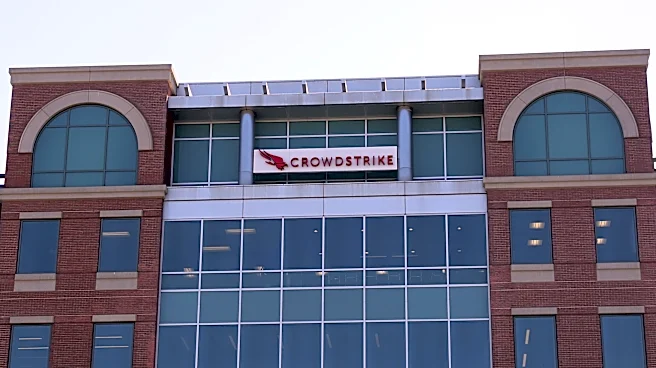
CrowdStrike has made an all-stock offer of $43.9 billion to acquire Zscaler, a move that could significantly reshape the network security market. Under the proposed deal, Zscaler investors would receive 1.135 CrowdStrike shares for each of their Zscaler shares.
CrowdStrike's strategy is to integrate Zscaler's zero-trust network security technology with its Falcon endpoint protection capabilities. George Kurtz, CrowdStrike CEO, stated that the goal is to build a cybersecurity operating system from the combined portfolios, which would allow for a single platform to manage the security of devices and the networks connecting them. This integration is also expected to enhance the monitoring of AI agents running on corporate devices, including their data access. The acquisition is projected to close in the second half of 2027, pending approval from Zscaler shareholders and regulatory authorities. CrowdStrike anticipates that the merger will boost its recurring annual revenue to over $10 billion, up from the current combined revenue of approximately $8.5 billion.
Why It's Important?
This proposed acquisition is significant for the U.S. cybersecurity industry, as it represents one of the largest cybersecurity mergers to date and could lead to a more consolidated market. For businesses, the integration of endpoint protection and zero-trust network security into a single platform could simplify cybersecurity management and potentially offer more robust protection against evolving threats, especially with the increasing use of AI in corporate environments. However, Zscaler's approximately 10,000 customers, only 2,000 of whom currently use CrowdStrike solutions, are expressing concerns. Many fear potential forced migrations to CrowdStrike's Falcon platform, integration challenges, and, most notably, increased costs. There are also anxieties about the concentration of a significant portion of global corporate security infrastructure under one vendor, particularly given a past incident where a CrowdStrike software update caused widespread disruptions. This raises questions about the risks associated with relying on a single technology provider for critical security needs.
What's Next?
The acquisition is contingent on approval from Zscaler shareholders and regulatory bodies, with a projected closing in the latter half of 2027. Following the merger, CrowdStrike expects to achieve approximately $1 billion in annual run-rate revenue synergies within 30 months and $500 million in annual cost savings within 18-24 months through consolidation of data centers, vendors, and operations. CrowdStrike plans to offer Zscaler's products through its Falcon Flex licensing program, allowing customers to purchase various modules from a pre-negotiated 'Flex pool' and interchange them based on changing priorities. The future of Red Canary, a managed detection and response company recently acquired by Zscaler, remains uncertain, as CrowdStrike offers competing services. The market will closely watch how CrowdStrike addresses customer concerns regarding potential price increases and the integration of diverse security solutions, especially for those using rival endpoint protection products alongside Zscaler.
Beyond the Headlines
The proposed merger highlights a broader trend in the cybersecurity industry towards consolidation and the creation of more comprehensive, integrated security platforms. The emphasis on securing AI agents and the network connections between them and data reflects the growing importance of AI in enterprise operations and the new security challenges it presents. The concerns raised by Zscaler customers about vendor lock-in, potential price hikes, and the risks of relying on a single provider underscore the delicate balance between integrated security solutions and market competition. This acquisition could set a precedent for how large cybersecurity firms approach market dominance and product integration, potentially influencing future M&A activities and the competitive landscape. The incident where a CrowdStrike software update caused widespread issues also brings to light the critical need for robust testing and fail-safes in highly integrated security systems, as a single point of failure can have far-reaching consequences for global corporate infrastructure.