
What's Happening?
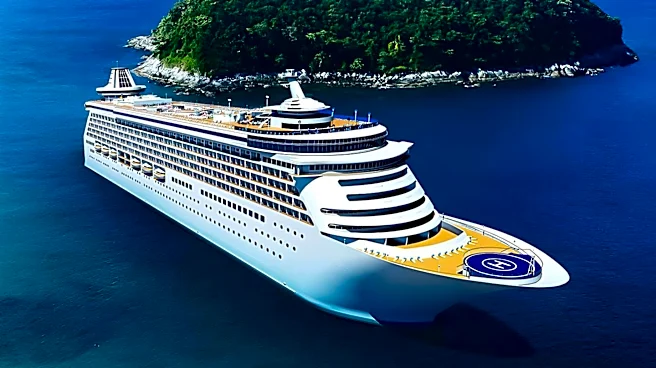
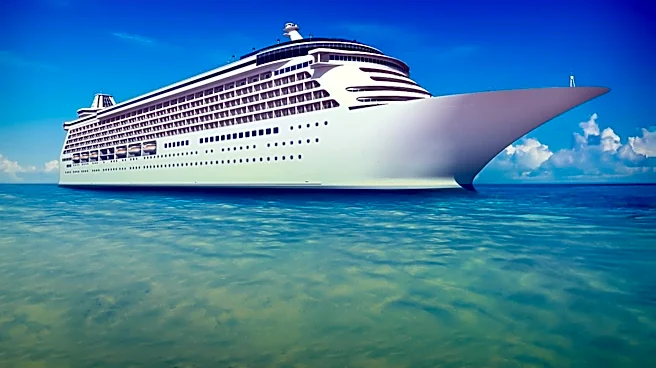
Despite a general trend among Australians to reduce spending, there is a significant increase in expenditure on luxury cruises. Travel Associates, a premium travel brand, reported a 57% surge in luxury cruise spending in 2025
compared to the previous year. This demand extends to upscale cruise lines such as Explora Journeys, Regent Seven Seas, and Scenic, as well as expedition cruises to high-cost destinations like the Arctic and Antarctic. Travelers are opting for longer itineraries, back-to-back cruises, and upgraded cabin categories. Luxury hotel brands, including Ritz-Carlton, are also launching new ships to cater to this growing market. This phenomenon, initially linked to post-COVID-19 'revenge spending,' is now attributed to a desire for 'I-deserve-it' experiences and more personalized travel, rather than solely a pandemic-driven spree. The trend also suggests a preference for all-inclusive packages, which can be interpreted as an effort to manage overall travel costs while still indulging in luxury.
Why It's Important?
This trend highlights a shift in consumer spending priorities, where experiential luxury, particularly in travel, is maintained even when other discretionary spending is curtailed. For the U.S. travel and tourism industry, especially luxury cruise lines and high-end travel providers, this indicates a resilient market segment willing to invest significantly in premium experiences. It suggests that marketing strategies should focus on the 'I-deserve-it' and personalized experience narratives rather than just post-pandemic recovery. The demand for longer, more exclusive, and all-inclusive travel options could influence product development and service offerings in the U.S. luxury travel sector. Companies that can provide unique, high-value experiences, such as expedition cruises or extended world tours, are likely to see continued growth. Conversely, businesses in other discretionary spending categories might face ongoing challenges as consumers reallocate their budgets towards these prioritized luxury travel experiences.
What's Next?
Luxury cruise lines and high-end travel companies are expected to continue expanding their offerings to meet this sustained demand. This may include the introduction of more exclusive itineraries, new luxury ships, and enhanced personalized services. The focus will likely remain on creating unique and memorable experiences that justify the higher price points. We may also see an increase in partnerships between luxury travel brands and other premium service providers to offer comprehensive, all-inclusive packages. As this trend matures, there could be further segmentation within the luxury travel market, with an emphasis on ultra-luxury and bespoke travel experiences. Industry players will need to closely monitor economic conditions and consumer sentiment to adapt their strategies, ensuring they continue to resonate with travelers who prioritize these indulgent escapes.
Beyond the Headlines
The sustained demand for luxury travel, despite broader economic caution, points to a deeper psychological shift in consumer behavior. It suggests that for a segment of the population, travel has evolved from a discretionary expense to a perceived essential for well-being and self-reward. This 'I-deserve-it' mentality could be a long-term consequence of recent global disruptions, where individuals place a higher value on immediate gratification and memorable experiences. This trend also raises questions about wealth distribution and access to such experiences, potentially widening the gap between those who can afford luxury travel and those who cannot. Culturally, it reinforces the idea of travel as a status symbol and a form of self-care, influencing aspirations and lifestyle choices. The environmental impact of increased luxury cruising, particularly to sensitive regions like the Arctic and Antarctic, also presents an ethical consideration that may gain more scrutiny in the future.