








What's Happening?
Schneider, a prominent logistics provider, has detailed essential strategies for optimizing U.S.-Mexico cross-border shipping. The company emphasizes the importance of a multimodal approach, integrating truckload and intermodal transportation to enhance
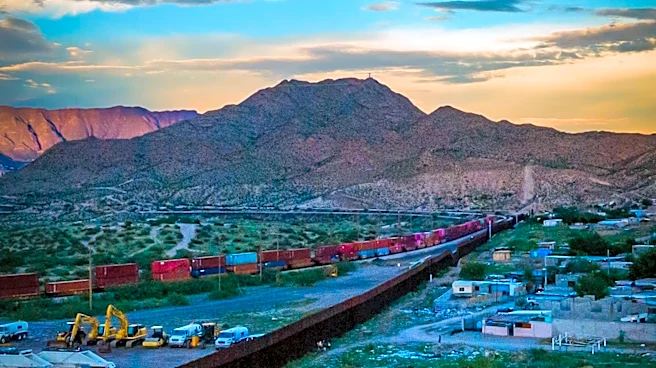
flexibility and resilience against disruptions. Schneider advises shippers to assess their specific lanes to determine the most suitable mode, noting that shorter, time-sensitive shipments may favor truckload, while intermodal offers capacity for higher-volume, longer-distance freight. Additionally, Schneider highlights the critical need for providers with in-country expertise to navigate the complex regulatory environment, customs processes, and political developments on both sides of the border, particularly given the ongoing imbalance between northbound and southbound freight capacity in Mexico.
Why It's Important?
These strategies are crucial for U.S. businesses engaged in trade with Mexico, a vital economic partner. The U.S.-Mexico border is one of the busiest land borders in the world, and efficient logistics are paramount for maintaining supply chain stability and competitiveness. The capacity imbalance in Mexico, where southbound equipment often doesn't align with northbound export needs, creates significant challenges for shippers. By advocating for multimodal solutions and in-country expertise, Schneider addresses these pain points, aiming to reduce transit times, mitigate risks, and lower transportation costs. This directly impacts U.S. industries reliant on Mexican manufacturing or raw materials, ensuring smoother operations and potentially more stable pricing for consumers.
What's Next?
U.S. companies involved in cross-border trade with Mexico are likely to increasingly adopt multimodal strategies and seek logistics partners with deep regional knowledge. This shift could lead to greater investment in intermodal infrastructure and technology to support more flexible shipping options. Furthermore, the emphasis on understanding regulatory environments suggests a growing need for specialized compliance services and real-time intelligence on trade policies. As geopolitical and economic conditions evolve, the demand for adaptable and informed logistics solutions will only intensify, pushing carriers and shippers to continuously refine their strategies to maintain efficient and cost-effective supply chains between the two nations.
Beyond the Headlines
The insights provided by Schneider underscore a broader trend towards supply chain resilience and strategic nearshoring. The focus on U.S.-Mexico logistics reflects a deliberate effort by companies to diversify their supply chains away from more distant regions, reducing lead times and exposure to geopolitical risks. This strategic realignment has significant implications for regional economic development, potentially boosting manufacturing and logistics employment in both the U.S. and Mexico. Moreover, the emphasis on regulatory understanding highlights the increasing complexity of international trade, requiring businesses to navigate not just logistical challenges but also intricate legal and political landscapes to ensure seamless cross-border operations and compliance.