





What's Happening?
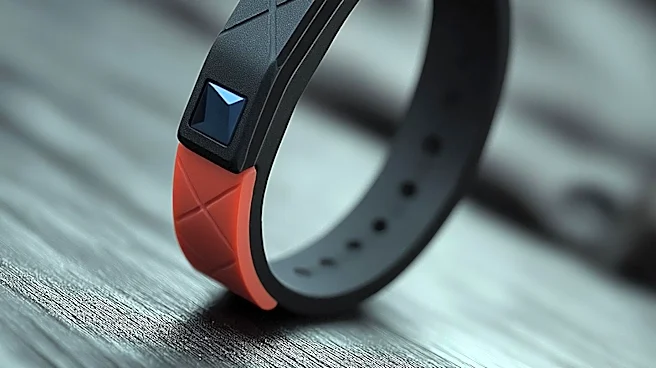
Garmin has launched the CIRQA, its first display-free smart band designed for continuous health, sleep, recovery, and activity tracking. This new wearable aims to provide comprehensive data without the distractions of an on-wrist screen. The CIRQA offers
up to 10 days of battery life and continuously monitors heart rate, stress, skin temperature, Pulse Ox, steps, calories burned, and Garmin's Body Battery metric. For sleep tracking, it provides detailed insights including sleep stages, sleep score, HRV, respiration, and nap detection. On the fitness side, it supports over 80 activities and delivers advanced training metrics such as VO2 max, training readiness, training status, workout benefit, and recovery time. All collected data is accessible through the Garmin Connect app without requiring a monthly subscription, a feature highlighted as a significant advantage over some competitors like Whoop or Oura. However, the device has been noted for its bulky sensor design, which can make it less comfortable compared to other screenless trackers like the Fitbit Air.
Why It's Important?
The introduction of the Garmin CIRQA signifies a growing trend in the wearable technology market towards more discreet, screen-free devices that prioritize data collection over real-time display. This shift could appeal to consumers who desire health and fitness monitoring without the constant notifications and visual distractions of traditional smartwatches. For Garmin, it represents an expansion into a niche market segment, potentially attracting users who value privacy and minimal digital interaction during their daily routines and workouts. The absence of a subscription fee for accessing detailed data could also disrupt the business models of competitors that rely on recurring revenue, making advanced health tracking more accessible to a broader audience. However, the reported bulkiness of the device could be a critical factor in its adoption, as comfort is often a primary consideration for wearables designed for continuous wear.
What's Next?
The market will likely observe how the Garmin CIRQA competes against established screenless trackers like the Fitbit Air and Whoop. Consumer feedback regarding its comfort and the utility of its screen-free design will be crucial in determining its success. Garmin may need to address the bulkiness in future iterations to enhance user experience and broaden its appeal. Competitors might respond by refining their own screenless offerings or by emphasizing the advantages of their existing models. The trend towards subscription-free data access could also put pressure on other wearable companies to re-evaluate their pricing strategies, potentially leading to more competitive offerings in the health and fitness tracking sector. The long-term success of the CIRQA will depend on its ability to balance advanced tracking capabilities with user comfort and discretion.
Beyond the Headlines
The emergence of devices like the Garmin CIRQA reflects a broader societal conversation about our relationship with technology and the desire for 'digital detox' or less intrusive tech. While smartwatches offer convenience, their constant notifications can contribute to digital fatigue. Screenless trackers aim to provide the benefits of data collection without the cognitive load of a screen, aligning with a minimalist approach to technology. This could influence future product development across the tech industry, pushing companies to design devices that integrate more seamlessly into daily life without demanding constant attention. Furthermore, the emphasis on comprehensive, subscription-free data access could empower users with greater control over their health information and reduce financial barriers to advanced wellness tracking, fostering a more inclusive approach to personal health management.