

What's Happening?
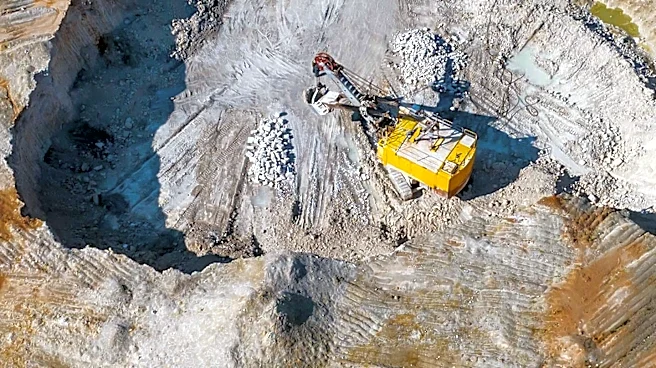
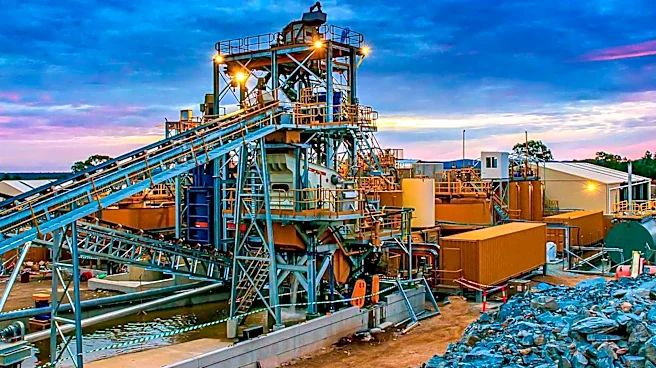
Switzerland, a major exporter of artificial joints, is looking to import minerals from Indonesia for its domestic manufacturing industry. This move aims to broaden mineral suppliers and capitalize on the existing Comprehensive Economic Partnership Agreement
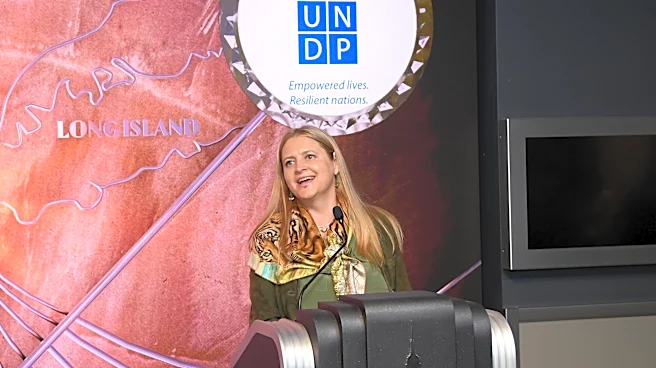
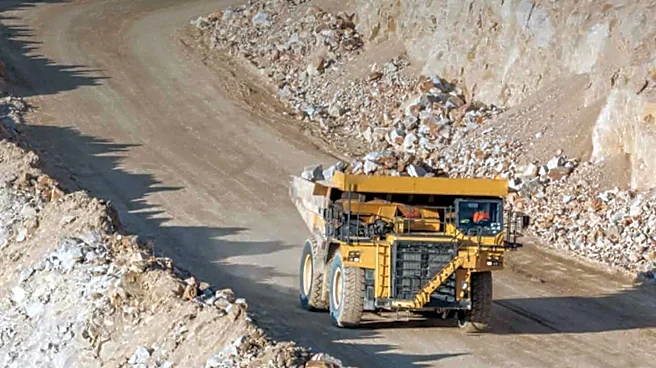
(CEPA) with the European Free Trade Association (EFTA), which includes Switzerland. According to the newly appointed Swiss Ambassador to Indonesia, Konstantin Obolensky, manufacturers globally are seeking diverse mineral sources, and Indonesia is seen as a viable option due to its significant reserves of critical minerals like bauxite, cobalt, and nickel, which are essential for prosthetic devices. The CEPA, in effect since November 2021, has provided substantial tariff cuts on goods traded between EFTA and Indonesia, and Switzerland is keen to maximize its utilization.
Why It's Important?
This development signifies a strategic move by Switzerland to secure critical raw materials for its advanced manufacturing sector, particularly in medical technology. By diversifying its supply chain to include Indonesia, Switzerland aims to enhance the resilience and stability of its production of artificial joints. For Indonesia, this represents an opportunity to increase its export revenues and strengthen its position as a key supplier of essential minerals in the global market. The utilization of the EFTA-Indonesia CEPA highlights the importance of trade agreements in facilitating access to resources and fostering economic cooperation. This partnership could also lead to technology transfer and investment promotion in Indonesia's mining and processing sectors, contributing to its economic development.
What's Next?
Swiss Ambassador Konstantin Obolensky has indicated that discussions are already underway with the Indonesian government and various stakeholders regarding the import of these minerals. Indonesia and Switzerland have previously signed a memorandum of understanding on minerals and metals cooperation, which covers investment promotion, technology transfer, and sustainable supply chains. This existing framework is expected to facilitate further collaboration. The focus will be on strengthening the use of the CEPA to ensure smooth trade flows and maximize the benefits for both nations. This could involve identifying specific mineral resources and establishing efficient supply chain logistics to meet the demands of the Swiss manufacturing industry.
Beyond the Headlines
This initiative goes beyond simple trade; it reflects a global trend of countries seeking to secure critical raw materials amidst increasing geopolitical uncertainties and supply chain vulnerabilities. For Switzerland, ensuring a stable supply of minerals is vital for maintaining its competitive edge in high-tech industries like medical devices. For Indonesia, moving beyond raw material export to potentially developing processing industries for these minerals could significantly boost its economic value chain. The emphasis on sustainable supply chains within the existing memorandum of understanding also points to a growing awareness of environmental and ethical considerations in mineral extraction, which could set a precedent for future resource-based trade agreements.