




What's Happening?
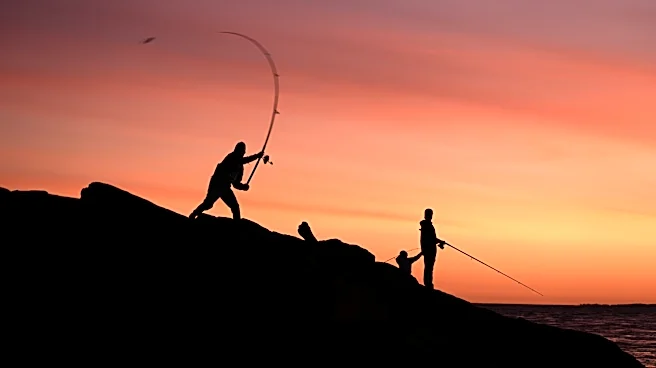
Fly fishing, often perceived as complex, is becoming increasingly accessible to beginners. Enthusiasts can start with minimal gear, typically a 5 or 6-weight rod, a weight-forward floating line, and a small selection of flies. Unlike conventional fishing where
lure weight carries the line, fly fishing uses a nearly weightless fly, with the weighted fly line providing the casting momentum. This method allows for a more natural presentation of the fly, which can entice fish that might ignore heavier, conventional presentations. While trout are commonly associated with fly fishing, the technique is versatile enough for a wide range of freshwater species, including bass, panfish, carp, and pike, as well as saltwater species like redfish and striped bass. Beginners are not required to tie their own flies, as many effective patterns are available pre-tied. The learning curve for casting is manageable, with most individuals developing a functional cast within a few hours of practice.
Why It's Important?
The growing accessibility of fly fishing broadens participation in outdoor recreational activities, potentially boosting local economies in areas known for their fishing opportunities. As more individuals take up the sport, there could be increased demand for fishing gear, guided tours, and related services, benefiting small businesses and outfitters. Furthermore, the emphasis on natural presentation and the pursuit of various species beyond trout highlight the sport's adaptability and potential for wider appeal. This shift could also foster a greater appreciation for diverse aquatic ecosystems, as anglers engage with different environments and fish species. The relatively low barrier to entry, both in terms of initial cost for basic equipment and the ease of learning fundamental skills, makes fly fishing a viable hobby for a broader demographic, promoting outdoor engagement and potentially contributing to conservation efforts through increased awareness of aquatic habitats.
What's Next?
As fly fishing continues to gain popularity among beginners, further innovations in entry-level gear and educational resources are likely. Manufacturers may focus on developing more user-friendly rod and reel combos and simplified fly selections tailored for novices. Online tutorials, local workshops, and guided beginner trips are also expected to expand, providing more avenues for new anglers to learn and practice. The sport's expansion beyond traditional trout fishing may lead to increased interest in fly fishing for other species, prompting guides and outfitters to diversify their offerings. Additionally, as more people engage with fly fishing, there could be a growing community advocating for the preservation of diverse freshwater and saltwater habitats, influencing local and national conservation policies.
Beyond the Headlines
The increasing accessibility of fly fishing reflects a broader trend in outdoor recreation towards activities that offer both engagement with nature and a manageable learning curve. This trend can have significant societal implications, promoting physical activity, mental well-being, and a deeper connection to the natural environment. For many, fly fishing offers a meditative escape, fostering patience and observation skills. The sport's emphasis on understanding fish behavior and aquatic ecosystems can also cultivate a stronger environmental ethic among participants. As more individuals experience the nuances of fly fishing, it could lead to a more informed and engaged public regarding water quality issues, habitat preservation, and sustainable fishing practices, ultimately contributing to long-term ecological health.