




What's Happening?
U.S. mortgage rates have surpassed 7 percent, leading to a notable shift in borrower behavior. The average 30-year fixed mortgage rate reached 7.12 percent last week, marking its highest point since May 2024, according to the Mortgage Bankers Association
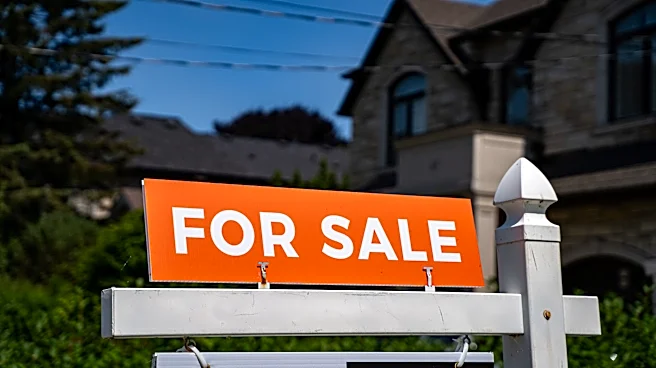
(MBA). This increase has resulted in a 1.5 percent decline in total mortgage applications and a 1 percent drop in home purchase applications compared to the previous week. Purchase applications are also 11 percent lower than the same period last year. Consequently, the share of borrowers choosing adjustable-rate mortgages (ARMs) has risen to 9.8 percent, up from 8.4 percent the week prior. During the initial years of the pandemic, when mortgage rates were at historic lows, ARMs constituted only about 3 percent of applications. The appeal of ARMs stems from their lower initial interest rates; for instance, the average rate for a 5/1 ARM fell to 6.10 percent, more than a percentage point below the 30-year fixed rate. This trend indicates that while higher borrowing costs are deterring some potential homebuyers, others are seeking alternative financing options to enter the housing market.
Why It's Important?
The increasing reliance on adjustable-rate mortgages carries significant implications for the U.S. housing market and individual borrowers. While ARMs offer a lower initial interest rate, providing a temporary reprieve from high borrowing costs, they expose borrowers to the risk of higher monthly payments once the fixed-rate period ends and the rate adjusts to market conditions. This shift suggests that affordability remains a critical barrier for many prospective homebuyers, pushing them towards options that entail greater interest-rate risk. For the broader economy, a rise in ARM usage could introduce volatility into household finances, particularly if interest rates continue to climb or remain elevated. This could lead to an increase in mortgage defaults or financial strain for homeowners in the future. Furthermore, the decline in overall mortgage applications and home purchase applications indicates a cooling housing market, which could impact construction, real estate services, and related industries. The current environment highlights a trade-off between immediate affordability and long-term financial stability for U.S. consumers in the housing sector.
What's Next?
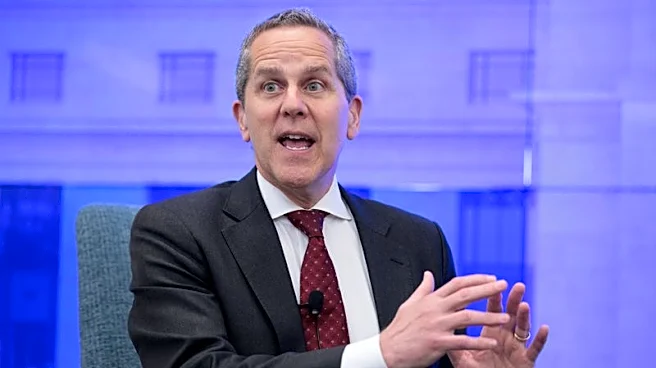
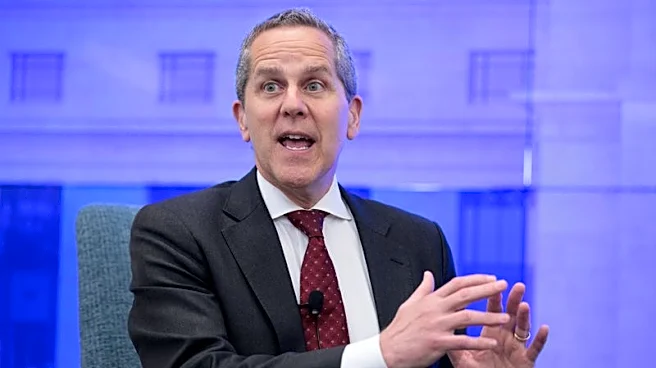
As the fall housing market progresses, traditionally the second-busiest period of the year, the trajectory of mortgage rates will be a key factor influencing borrower decisions. While mortgage rates showed some signs of easing at the start of the current week, with the average top-tier 30-year fixed rate slightly decreasing, the overall trend of elevated rates is expected to persist. Mike Fratantoni, senior vice president and chief economist at the MBA, anticipates that higher fixed rates will continue to drive more borrowers towards ARMs. This suggests that the share of ARMs in the mortgage market could continue to grow. Policymakers and financial institutions will likely monitor the performance of these adjustable-rate loans closely, especially as the fixed-rate periods expire for a growing number of borrowers. The potential for increased financial stress among homeowners could prompt discussions around consumer protection measures or financial counseling. For homebuyers, the decision between fixed-rate and adjustable-rate mortgages will become even more critical, requiring careful consideration of personal financial stability and future interest rate forecasts.
Beyond the Headlines
The growing preference for adjustable-rate mortgages reflects a deeper societal and economic challenge: the struggle for housing affordability in the U.S. The current environment, characterized by high interest rates and persistent inflation, is forcing many individuals to make difficult financial choices. The increased adoption of ARMs, while offering a short-term solution, could inadvertently create a cohort of homeowners vulnerable to future interest rate hikes, potentially leading to a wave of payment shocks similar to those seen in past housing crises. This situation underscores the ethical responsibility of lenders to ensure borrowers fully understand the risks associated with ARMs. From a broader perspective, this trend highlights the need for sustainable housing policies that address both supply and demand issues, aiming to create a more accessible and stable housing market. The long-term implications could include shifts in homeownership demographics, increased financial inequality, and potential ripple effects across the consumer credit market if a significant number of ARM holders face payment difficulties. The current market dynamics are not just about mortgage rates; they are indicative of the ongoing pressure on the American dream of homeownership.