

What's Happening?
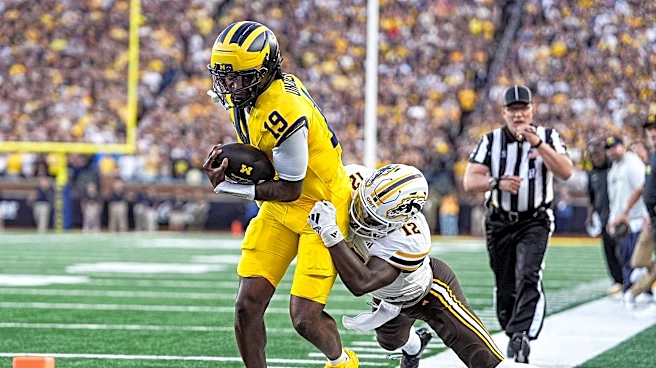
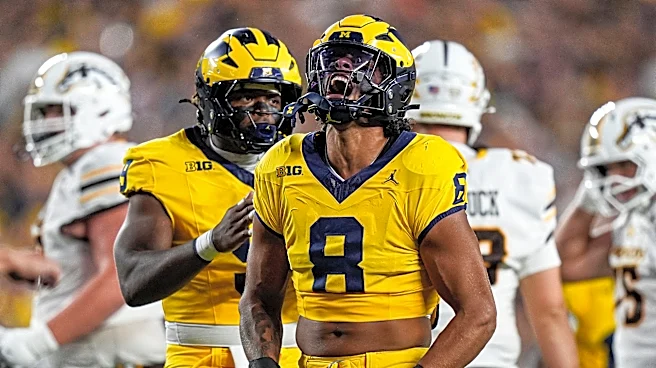
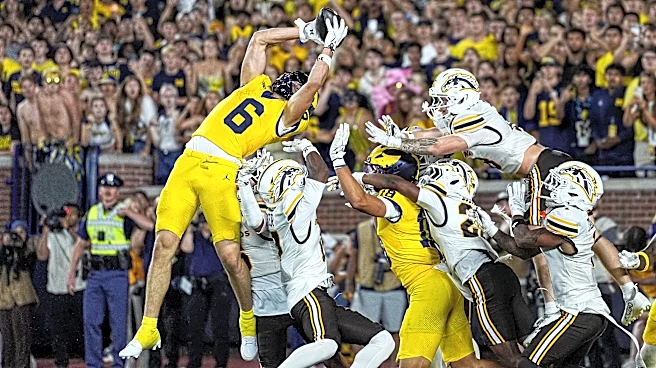
The Big Ten Conference has issued a statement affirming the officiating crew's decision to add one second back to the game clock, which allowed the Michigan Wolverines to secure a 13-12 victory over the Western Michigan Broncos. The game concluded with
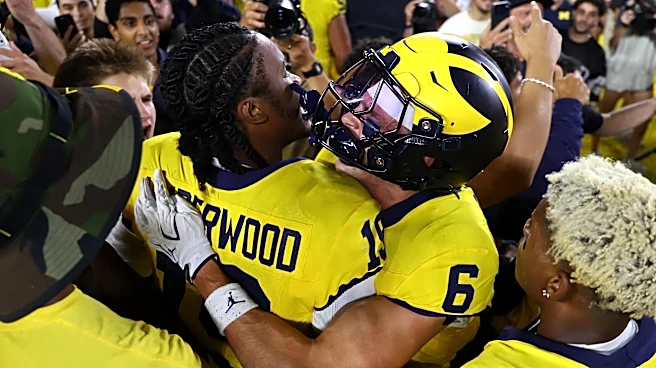
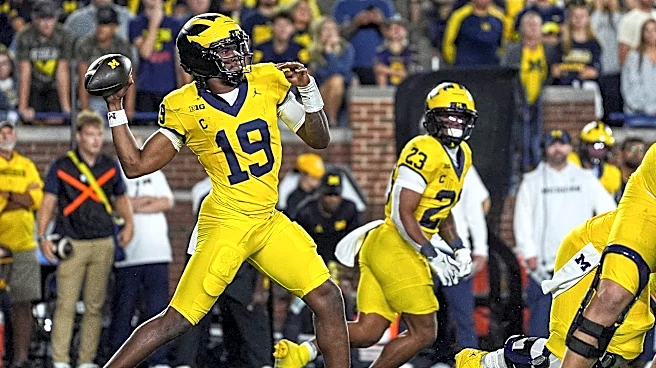
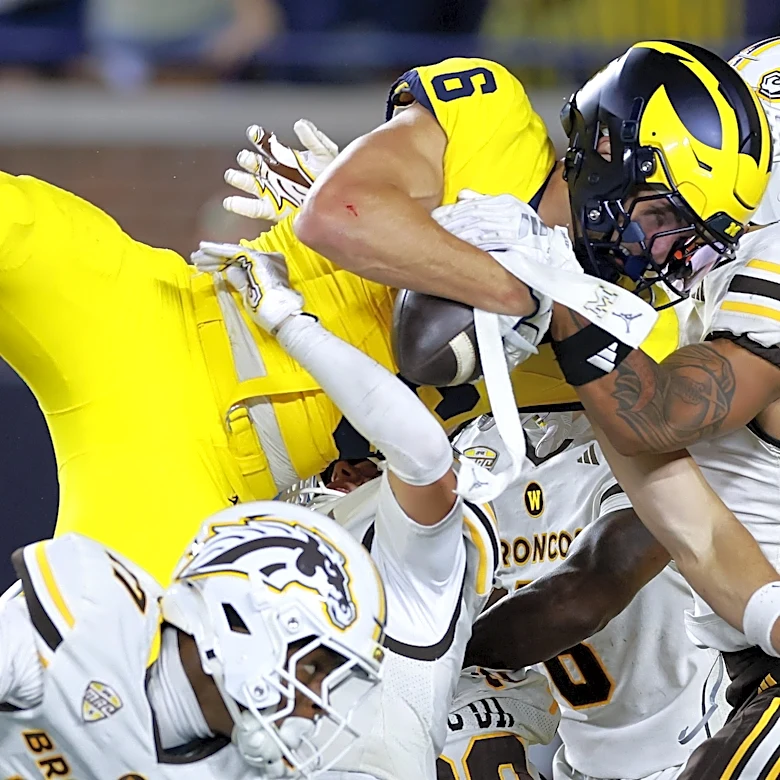
a last-second 47-yard Hail Mary pass from quarterback Bryce Underwood to JJ Buchanan. The controversial call occurred after Underwood's initial Hail Mary attempt sailed out of the end zone, leading Western Michigan players to prematurely celebrate. However, officials, after video review, determined that a Western Michigan player, identified as #18, made contact with the ball from an out-of-bounds position with one second remaining. This action, per NCAA Football rule 4-2-3-a, stops the clock, justifying the addition of time. The Big Ten stated that all broadcast cameras for the replay system were synced using a strobe system to ensure accuracy in the ruling. This decision allowed Michigan to execute the game-winning play, preventing what would have been a significant upset in coach Kyle Whittingham's debut.
Why It's Important?
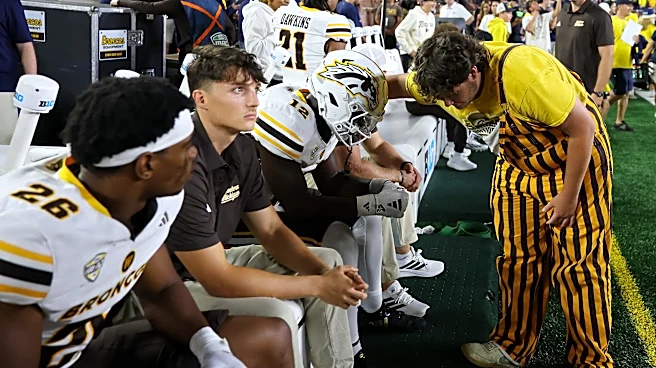
This controversial ruling and its subsequent explanation by the Big Ten highlight the critical impact of officiating decisions and replay technology in high-stakes college football games. For Michigan, the victory, albeit contentious, prevents a potentially damaging loss in the opening game of a new coaching era under Kyle Whittingham, maintaining team morale and national ranking. For Western Michigan, the decision is a bitter pill, as it snatched away an improbable upset win against a ranked opponent, which could have significantly boosted their program's profile and recruiting efforts. The incident also underscores the ongoing debate surrounding the interpretation and application of complex NCAA rules, particularly those involving game clock management and out-of-bounds plays. The public explanation from the Big Ten aims to provide transparency but may not fully quell criticisms from those who believe the spirit of the game was compromised or that the call was incorrect, potentially affecting fan perception of fairness in college sports.
What's Next?
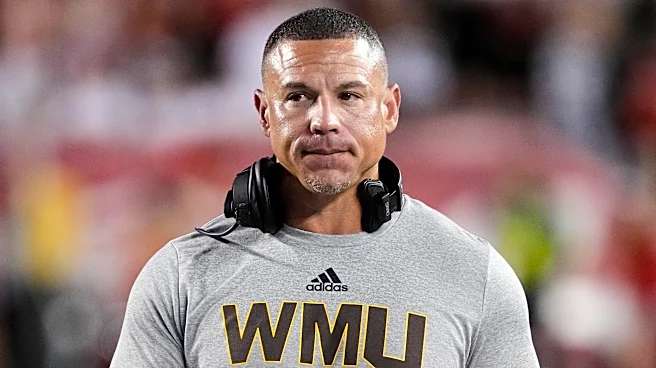
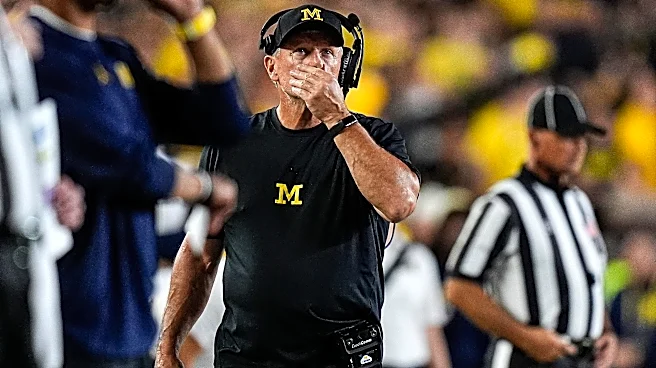
The immediate aftermath will likely involve continued discussion and scrutiny of the Big Ten's explanation, particularly from Western Michigan's coaching staff and fan base. Western Michigan coach Lance Taylor expressed his belief that the clock had expired before contact, indicating potential lingering dissatisfaction. The incident could prompt further review or clarification of NCAA rules regarding clock stoppages and out-of-bounds plays to prevent similar controversies in the future. For Michigan, the focus will shift to addressing the team's overall performance, which was described as 'nightmarish' and 'disappointing' despite the win. Coach Whittingham acknowledged the need to 'fix some things and fix them right away' before their highly anticipated matchup against Oklahoma. The Wolverines' offensive struggles, particularly in rushing and quarterback play, will be key areas for improvement as they prepare for tougher opponents.
Beyond the Headlines
The Michigan-Western Michigan game's ending delves into the broader implications of technology and human judgment in sports. While replay systems are designed to ensure accuracy, their application can still lead to contentious outcomes and differing interpretations, as evidenced by the conflicting views of the coaches and rules analysts. This event could reignite discussions about the balance between precise rule enforcement and the flow of the game, as well as the psychological impact of such calls on players and coaches. The 'miraculous' nature of Michigan's win, contrasted with their otherwise lackluster performance, also raises questions about the role of luck and resilience in sports. It highlights how a single play, influenced by a technical ruling, can overshadow an entire game's narrative and potentially shape the trajectory of a team's season, for better or worse. The incident serves as a reminder that even with advanced technology, sports officiating remains a complex and often debated aspect of competition.